







Our bodies often give subtle warning signs when something is not right. Symptoms such as persistent fever, unexplained weight loss, or swelling are commonly dismissed as minor infections, stress, or fatigue. However, when these problems continue for weeks without a clear cause, they should not be ignored. In some cases, they may indicate lymphoma, a cancer that begins in the lymphatic system.
Dr Bhavani Mandava, Consultant, Haematology at Manipal Hospitals, Vijayawada, explained what lymphoma is, some of its symptoms, and when you should consult a doctor.
Lymphoma develops when certain white blood cells, called lymphocytes, begin to grow abnormally and uncontrollably. These cells are an important part of the immune system and are found throughout the body in lymph nodes, the spleen, bone marrow, and other tissues. Because the lymphatic system extends across the entire body, lymphoma can present with a wide range of symptoms depending on where the disease starts and how it progresses.
One important warning sign is a fever that comes and goes without an obvious cause. Unlike routine viral infections, this fever may persist for several weeks and is often not accompanied by clear signs of infection. Some individuals may also experience drenching night sweats that soak clothing or bedding. These symptoms occur as the body’s immune system reacts to abnormal cells.
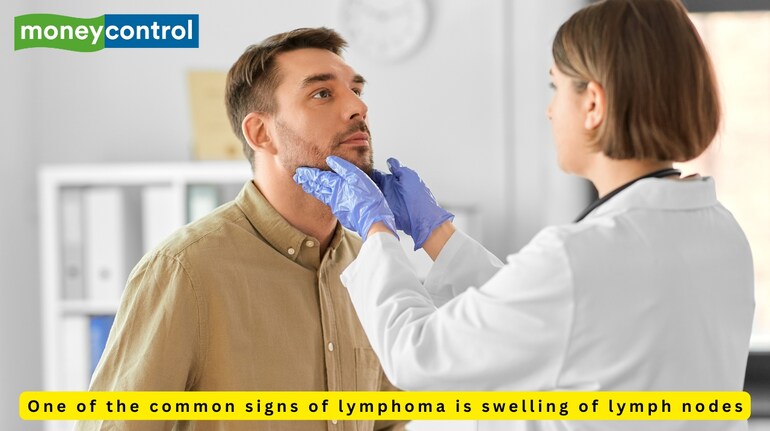
One of the most common signs of lymphoma is swelling of lymph nodes, often in the neck, underarms, or groin. These swellings are typically painless, firm, and persistent, and they may gradually increase in size. When deeper lymph nodes are involved, symptoms may be less obvious, such as abdominal discomfort, a sense of fullness, or pressure.
A common visible sign of lymphoma is painless swelling of lymph nodes, usually noticed in the neck, armpits, or groin. These swollen nodes may feel firm and tend to persist or gradually enlarge. Unlike swollen glands caused by infections, they are usually not painful. When lymph nodes deeper inside the body are involved, a person may feel abdominal fullness, discomfort, or pressure.
Additional symptoms may include extreme fatigue that does not improve with rest, frequent infections, persistent itching, shortness of breath, or a general feeling of poor health. Because these symptoms can resemble many common illnesses, lymphoma is often overlooked in its early stages.
Also read: Doctor says these 3 medicines can save a heart attack patient
Having one of these symptoms does not automatically mean cancer. However, when symptoms persist for several weeks, worsen, or occur together, professional medical assessment is important. Early diagnosis often allows more effective treatment and better outcomes. Being attentive to persistent changes in your health is essential. Recognising warning signs early and seeking timely medical advice can play a crucial role in protecting long-term health.
1. What is lymphoma?
Lymphoma is a type of cancer that begins in the lymphatic system, which is part of the body’s immune system. It mainly affects lymphocytes, a type of white blood cell.
2. What are the main types of lymphoma?
The two primary types are Hodgkin lymphoma and Non-Hodgkin lymphoma. They differ in their microscopic appearance, behaviour, and treatment approach.
3. What causes lymphoma?
The exact cause is often unknown, but risk factors include weakened immunity, certain infections, family history, and exposure to specific chemicals or radiation.
4. What are common symptoms of lymphoma?
Symptoms may include painless swelling of lymph nodes (neck, armpits, groin), fever, night sweats, unexplained weight loss, fatigue, and itching.
5. Who is at risk of developing lymphoma?
People with compromised immune systems, autoimmune diseases, chronic infections, or a family history of lymphoma may have a higher risk. Age and gender can also influence risk depending on the type.
Disclaimer: This article, including health and fitness advice, only provides generic information. Don’t treat it as a substitute for qualified medical opinion. Always consult a specialist for specific health diagnosis.
Discover the latest Business News, Sensex, and Nifty updates. Obtain Personal Finance insights, tax queries, and expert opinions on Moneycontrol or download the Moneycontrol App to stay updated!
Find the best of Al News in one place, specially curated for you every weekend.
Stay on top of the latest tech trends and biggest startup news.





