






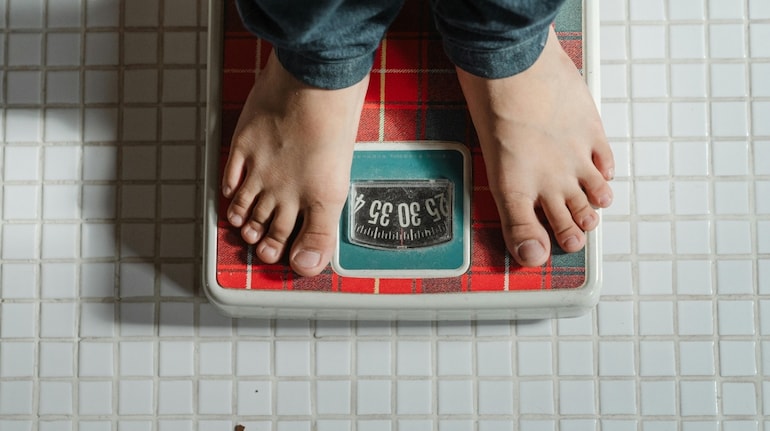

There are times when you and a friend commit to the same diet plan. You measure portions, you skip pudding, you hit the treadmill with discipline. Weeks later, your friend’s new dress fits well. Yours? Not so much. For years, people have clung to the math of “calories in versus calories out.” But science now suggests that the body is a complex ecosystem.
Age, sleep, stress levels, hormones and physical activity have long been known to influence weight loss. Genetics, too, plays its part. But new research shows another powerful factor; the gut microbiome. These trillions of microorganisms lining the digestive tract don’t merely help digest food; they influence how much energy you extract from it, how your blood sugar behaves and even how readily you store fat.
According to PubMed studies there are consistent links between gut microbiota composition and obesity, inflammation, insulin response and metabolic flexibility. Some systematic reviews suggest that the very bacteria present in your gut before starting a calorie-restricted diet may partly predict how much weight you’ll lose. Surprisingly, weight loss itself can also alter gut bacterial diversity, suggesting a two-way relationship between diet and microbes.
Also Read: Why healing your gut requires lifestyle changes, not just diet
Dr Debojyoti Dhar, Co-founder and Director, BugSpeaks, explains to Moneycontrol, “In reality, how your body processes those calories depends heavily on your gut microbiome.” Certain bacterial groups are more efficient at extracting energy from food, potentially leading to greater fat storage even when two people consume identical meals.
“Two people may eat identical meals, but their metabolic outcomes can differ depending on their microbial composition,” Dr Dhar says. Even fibre, often hailed as a slimming hero, may behave differently from one person to the next.
When you reduce calories, your gut bacteria may shift and adapt in response to your new eating pattern. Studies suggest that calorie restriction can alter bacterial diversity and balance, potentially influencing how effectively your body burns fat and regulates blood sugar during a diet phase.
Before you even begin dieting, your gut microbial profile may already hold clues about your future progress. Research indicates that certain bacterial compositions are associated with greater weight loss success, while others may make fat loss slower despite strict adherence to the same calorie limits.
Some bacteria are linked to metabolic flexibility, the body’s ability to switch between burning carbohydrates and fats with ease. Others are associated with extracting more energy from the same food.
Dr Dhar informs, traditional calorie models are “useful but incomplete” because they fail to account for these deeply personal biological differences.
Also Read: Garlic, curd, banana and more, 8 best foods in daily diet that boost gut health
None of this renders calorie balance irrelevant. Rather, it reminds us that willpower alone is not the full story. “Personal biological factors, particularly gut microbiome composition, can influence how the body processes food and stores energy,” Dr Dhar emphasises.
1. What is the gut microbiome?
The gut microbiome consists of trillions of microorganisms living in your digestive tract, playing a crucial role in digesting food and influencing energy extraction, blood sugar behaviour, and fat storage.
2. How does the gut microbiome affect weight loss?
The composition of your gut microbiota can affect how much weight you lose by influencing energy extraction from food, regulating blood sugar, and altering fat storage.
3. Can gut bacteria predict weight loss success?
Research suggests that certain gut bacteria compositions are associated with greater weight loss success, while others may make weight loss slower despite strict adherence to a diet.
4. Does weight loss change gut microbiota?
Yes, weight loss can alter gut bacterial diversity, indicating a two-way relationship between diet and gut microbes.
5. Why do calorie models fail to explain individual weight loss differences?
Calorie models don’t account for personal biological differences, including gut microbiome composition, which significantly influences how the body processes food and stores energy.
Disclaimer: This article, including health and fitness advice, only provides generic information. Don’t treat it as a substitute for qualified medical opinion. Always consult a specialist for specific health diagnosis
Discover the latest Business News, Sensex, and Nifty updates. Obtain Personal Finance insights, tax queries, and expert opinions on Moneycontrol or download the Moneycontrol App to stay updated!
Find the best of Al News in one place, specially curated for you every weekend.
Stay on top of the latest tech trends and biggest startup news.





