






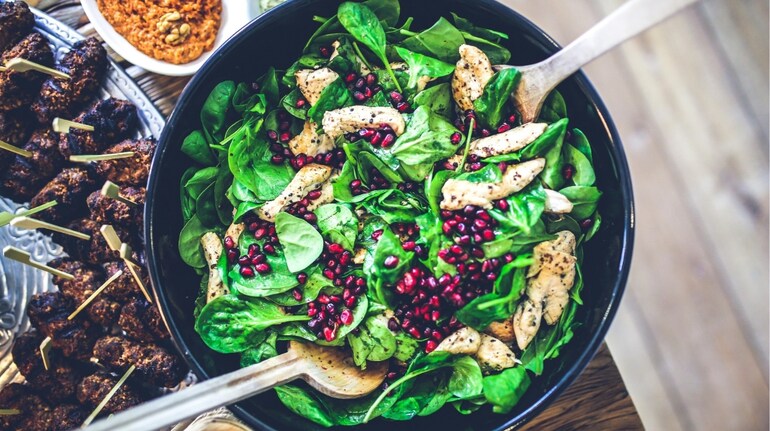

Longevity has as much to do with food choices as it does with genetics. Healthy aging specialists attest that whole food, nutrient-dense diets can slow the aging process, lower disease risk and enhance quality of life.
It’s not enough to simply live longer anymore — the goal now is to age well. What we eat every day has a major impact on how well our bodies and minds age, according to the leading healthy-aging and longevity experts. Diet affects inflammation, cell repair, metabolic robustness gut balance, and even brain function - all critical determinants of both disease-free longevity and lifespan.
Studies of long-lived populations, referred to as Blue Zones, consistently show that people who live into their 90s and 100s without chronic disease eat simple, whole-food-based diets. The diets are abundant in plant foods, healthy fats and natural antioxidants but low in ultra-processed products and refined sugars. Instead of obsessing over the next set of dietary restrictive guidelines or fad diets, experts who study longevity return again to the importance of eating habits that provide a consistent amount of quality nutrients.
“Healthy aging also requires minimising chronic inflammation and oxidative stress, these are two of the big drivers of age-related diseases such as heart disease, diabetes and memory loss,” says Suresh Malhotra , Delhi-based Nutritionist and Consultant in Geriatic Wellness & Longevity Science. “Some foods can naturally support these processes by defending against cells, enhancing circulation and gut health and boosting immunity,” he says.
Here are eight of those such foods, according to the doctor, with proven health benefits on promoting longer life and overall healthier aging when eaten regularly as part of a balanced diet.
Spinach, kale and Swiss chard are full of vitamins A, C, K, folate and antioxidants. Regularly consuming leafy greens is also tied to slower cognitive decline and better heart health thanks to the anti-inflammatory effects, experts say.
Also read: Are the eggs you eat for breakfast safe? Doctor says beware of this one substance
Blueberries as well as other berries, such as strawberries and raspberries are high in polyphenols/flavonoids/nitrate (allicin) compounds that combat oxidative chemical stress. Berries are also good for brain health, memory preservation and lowered risk of age-related disease recommended by specialists for aging.
Known as a staple of the Mediterranean diet, olives are high in both heart-healthy monounsaturated fats and powerful antioxidants. Longevity research has linked it to lower inflammation, more favourable cholesterol levels and reduced risk of mortality.
Almonds, walnuts and pistachios offer healthy fats, fiber and plant protein. “You know that nuts are a heart-healthy snack, but did you know that they also lower your risk of age-related metabolic syndrome,” says the expert.
Beans, lentils and chickpeas are staples among the long-lived. They provide lasting energy, gut-friendly fiber and plant-based protein, promoting muscle retention and stable blood sugar into the golden years.
“(Omega-3s) not only help control inflammation — which contributes most to the disease of aging,” says the Doctor, but also aid brain and heart health, two major components in making sure you’re living as long as possible.
Also read: Doctor says these 3 medicines can save a heart attack patient
Oats, brown rice and quinoa are good sources of complex carbohydrates, fiber and minerals. They help in digestive health, weight control and reducing chronic disease risk.
Yogurt, kefir, kimchi and sauerkraut are gut microbiome-friendly foods. And a healthy gut is increasingly being tied to enhanced immune function, less inflammation and slower biological aging.
2. Which nutrients are most important for healthy ageing?
Antioxidants, protein, omega-3 fatty acids, fibre, vitamins D and B12, and minerals like calcium and magnesium play a key role in maintaining muscle mass, bone strength, brain health, and immunity as you age.
3. Can certain foods really slow down visible signs of ageing?
Yes. Foods rich in antioxidants, healthy fats, and hydration—such as berries, nuts, seeds, olive oil, and vegetables—can support skin elasticity, reduce inflammation, and protect cells from damage.
4. How do gut-friendly foods support ageing well?
Fibre-rich foods and fermented foods help maintain a healthy gut microbiome, which is linked to better immunity, improved metabolism, reduced inflammation, and healthier ageing overall.
5. Is it ever too late to improve ageing through food choices?
No. Adopting healthier eating habits at any age can improve energy levels, muscle strength, digestion, and disease resistance, helping you age better even if changes are made later in life.
Disclaimer: This article, including health and fitness advice, only provides generic information. Don’t treat it as a substitute for qualified medical opinion. Always consult a specialist for specific health diagnosis.
Discover the latest Business News, Sensex, and Nifty updates. Obtain Personal Finance insights, tax queries, and expert opinions on Moneycontrol or download the Moneycontrol App to stay updated!
Find the best of Al News in one place, specially curated for you every weekend.
Stay on top of the latest tech trends and biggest startup news.





