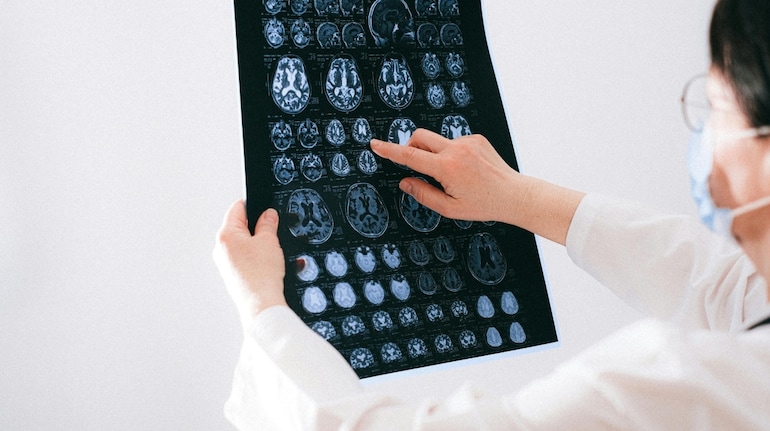

It sounds like science fiction, but this time it’s walking straight into the hospital ward. An artificial intelligence system developed in Michigan can now read brain MRI scans almost instantly, spotting strokes, tumours and bleeds faster than any human ever could.
Back in the '90s, waiting for scan results could feel like watching paint dry. Days passed, phones stayed silent, and patients worried. Now researchers at the University of Michigan say their new AI model can analyse a brain MRI in seconds, with accuracy reaching an eyebrow-raising 97.5 per cent.
The system, known as Prima, does more than just name a diagnosis. It also judges urgency, flagging scans that demand immediate action and nudging the right specialist to the front of the queue. The findings, published in Nature Biomedical Engineering, hint at a revolution in medical imaging.
Also read | New brain research uncovers the shocking reason memory loss speeds up with age
Unlike earlier AI tools built for narrow tasks, Prima was trained on hundreds of thousands of real MRI scans, complete with patient histories and doctors’ notes. By blending images and language, it mirrors how real radiologists weigh scans alongside clinical context.
Over a year, researchers ran Prima against more than 30,000 MRI studies covering over 50 neurological conditions. Time and again, it outperformed other advanced AI systems, especially when deciding which cases were urgent and which could safely wait.
MRI demand is rising faster than hospitals can hire neuroradiologists. In busy city centres and rural hospitals alike, patients can wait days for results. Prima aims to cut those delays, easing pressure on stretched teams without sacrificing diagnostic accuracy.
Conditions like stroke or brain haemorrhage are unforgiving. Minutes matter. Prima can automatically alert stroke neurologists or neurosurgeons the moment a critical scan is completed, potentially shaving precious time off life-saving decisions.
Researchers stress that the future versions may pull from electronic medical records and expand into other scans, from chest X-rays to mammograms, acting as a digital co-pilot rather than a replacement for doctors.
Disclaimer: This article, including health and fitness advice, only provides generic information. Don’t treat it as a substitute for qualified medical opinion. Always consult a specialist for specific health diagnosis.
Discover the latest Business News, Sensex, and Nifty updates. Obtain Personal Finance insights, tax queries, and expert opinions on Moneycontrol or download the Moneycontrol App to stay updated!
Find the best of Al News in one place, specially curated for you every weekend.
Stay on top of the latest tech trends and biggest startup news.