






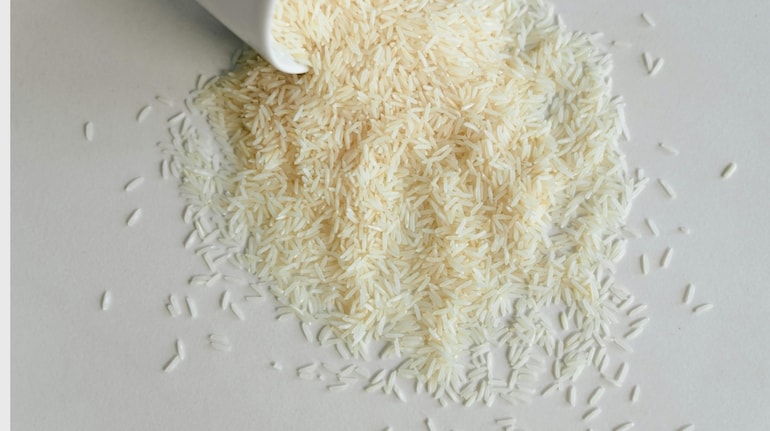

Rice is one of the staple foods highly enjoyed in Indian homes. It is gluten-free and contains fibre and good carbohydrates that nourish the body. However, every once in a while, stories about plastic rice emerge on social media, causing a real scare. While there may be no truth to these rumours, it is best to be safe and check whether what you’re eating is unadulterated and unspoilt. Here are a few checks you can do at home.
Put a handful of rice in a bowl of water and stir it gently. If the rice sinks to the bottom and settles, it is real, and if it floats, it means it is a plastic grain. This happens because real rice is dense while plastic is lighter.
Take a small quantity of rice in plain water and boil it without adding oil or salt. Alternatively, you can also use a microwave and heat them for 3-5 minutes. Plastic rice will form a rubbery layer and look and smell unusually different.
For this, boil the rice first and pick a grain to see if it breaks between your fingernails. Gauge how it breaks down. If it’s flaky and gets crushed easily, it is normal rice. However, plastic rice won’t react the same way or crush completely. If it smells and looks odd, it is another sign.
Also read: Why Bihari cuisine is emerging as India’s next big food obsession
Take a spoon with rice in it and use a lighter to heat it. After some time, if there’s a smell of something burning, it signals it’s plastic and not real rice. The strong plastic odour is easy to identify. This can also be done in a frying pan to gauge the result. Real rice will smell like grain. The heat test should be performed with caution.
Q. What is plastic rice?
Plastic rice refers to fake rice allegedly made using synthetic materials like plastic or industrial starch mixed with chemicals. It is not real rice and is unsafe for consumption.
Q. Is plastic rice real or a myth?
In most cases, plastic rice is a myth or misinformation. Food safety authorities have repeatedly clarified that reports of plastic rice circulating in markets are largely unverified or false. However, adulteration of rice with low-quality grains or synthetic look-alikes has been reported in rare cases.
Q. How can plastic rice be identified at home?
Common claims include rice grains that do not soften when cooked, float in water, or smell like plastic when burned. However, these tests are not scientifically reliable and can be misleading.
Q. What are the health risks of eating plastic rice?
If consumed, plastic rice could cause digestive issues, toxicity, and long-term health problems since plastics are not meant for human consumption. There is also a risk of chemical exposure.
Q. Has plastic rice been found in India?
Indian food safety authorities, including FSSAI, have stated that there is no confirmed evidence of plastic rice being sold in regular markets. Most viral claims have been debunked.
Disclaimer: This article, including health and fitness advice, only provides generic information. Don’t treat it as a substitute for qualified medical opinion. Always consult a specialist for specific health diagnosis.
Discover the latest Business News, Sensex, and Nifty updates. Obtain Personal Finance insights, tax queries, and expert opinions on Moneycontrol or download the Moneycontrol App to stay updated!
Find the best of Al News in one place, specially curated for you every weekend.
Stay on top of the latest tech trends and biggest startup news.





