






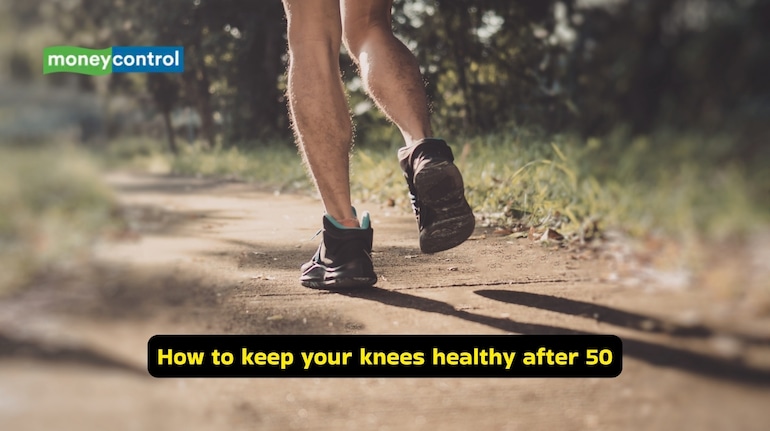

A stroll in the neighbourhood park often shows brisk walkers overtaking each other with determination writ large on their face. What looks like healthy pep often hides a walking quirk that research says can overload the knee joints, especially in those over fifty.
Scientists have found that as you age, a decline in leg strength and subtle shifts in how you walk influence the way force travels through our lower limbs. Studies show that changes in the walking pattern, including longer steps and reduced shock absorption, are common in older adults, and these patterns correlate with increased knee strain over time.
It’s not merely the miles covered that matter, but how each stride lands. When the foot hits the ground too far in front of the body, the knee joint bears the brunt like a brittle hinge under excess load. Combine that with weaker muscles and age-related walking style, adaptations, and you’ve see cumulative wear and discomfort.
Also read | Best exercise tips: 6 reasons why your walking workouts are not working out for you
Taking huge strides might feel vigorous, but when your foot lands well ahead of your centre of mass, research suggests the knee flexes less and shock travels directly into delicate joint tissues. Shorter, quicker steps help keep forces more evenly distributed and reduce harmful impact.
Walking with completely straight, locked knees sacrifices your body’s natural spring mechanism. Slight knee flexion engages quads and hamstrings as shock absorbers. As studies on age-related gait show, older walkers benefit from muscle engagement that cushions each step rather than relying on passive joint structures.
Strong leg muscles aren’t just for athletes, they stabilise the knee and control gait more smoothly. Research on older adults shows that stronger knee extension correlates with healthier walking speed and patterns, emphasising the value of gentle strength work before piling on miles.
Age alters our natural walking style; step length, stance timing and foot placement all shift. These adaptations aren’t inherently bad, but they can increase internal knee loading and uneven strain unless counterbalanced by good technique and conditioning.
Cold muscles glued into stiff joints don’t absorb impact well. Starting a walk too fast increases early load on the knees. A gentle warm-up helps lubricate joints and primes muscles, a simple ritual that older walkers often overlook but scientific gait studies support
Disclaimer: This article, including health and fitness advice, only provides generic information. Don’t treat it as a substitute for qualified medical opinion. Always consult a specialist for specific health diagnosis.
Discover the latest Business News, Sensex, and Nifty updates. Obtain Personal Finance insights, tax queries, and expert opinions on Moneycontrol or download the Moneycontrol App to stay updated!
Find the best of Al News in one place, specially curated for you every weekend.
Stay on top of the latest tech trends and biggest startup news.





