Janmashtami, the celebration of Lord Krishna's birth, is a significant Hindu festival observed with devotion and joy. Marking the eighth day of the Krishna Paksha in the month of Bhadrapada, it symbolizes the arrival of Krishna, who is believed to protect the world from evil. Devotees observe fasting, chant prayers, and engage in night-long vigils, reenacting episodes from Krishna's childhood. Temples are adorned with lights and flowers, and the "Dahi Handi" event, where pots of curd are broken, is a highlight. The festival embodies the spirit of devotion, love, and the victory of good over evil.
Priya Rao, nutritionist at Gunjan Heart and Wellness Centre, Hyderabad, suggests the following tips to keep in mind for a healthy and nourishing fast during Janmashtami:
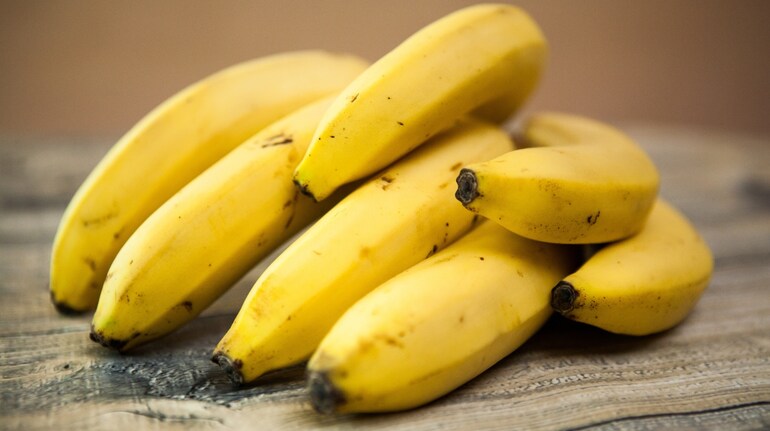
Choose Nutritious Foods:Opt for fresh fruits like bananas, apples, and papayas, which are rich in vitamins and natural sugars, providing quick energy. Dry fruits like almonds, raisins, and walnuts offer healthy fats and proteins, ensuring sustained energy release. Incorporating dairy products such as milk, yoghurt, and paneer keeps you full, supports hydration, and supplies essential calcium and proteins. Sabudana (tapioca pearls) is a traditional fasting food, light yet energy-dense, perfect for meals like khichdi or kheer.
Also read | Janmashtami 2024: Celebrate Krishna Janmashtami with these 5 nutritious foodsStay Hydrated:Hydration is crucial during fasting to avoid fatigue and dizziness. Drink ample water throughout the day to maintain fluid balance. Additionally, consider hydrating with natural beverages like coconut water, which replenishes electrolytes, or lemon water for a vitamin C boost. Buttermilk is another excellent option, providing probiotics and keeping your digestion smooth, ensuring you stay refreshed and energized during the fast.
Eat in Small Portions:Eating small, frequent portions helps maintain steady energy levels throughout the day, preventing the fatigue that can come with long gaps between meals. This approach also aids digestion, ensuring your body doesn't feel overwhelmed. Small meals help avoid the heaviness that large meals can cause, particularly when fasting, and support a balanced metabolism, making it easier to sustain the fast without discomfort.
Also read | Janmashtami 2024 malpua recipe, a sweet delight for the divineAvoid Deep-Fried Foods:While deep-fried foods like puris and pakoras are tempting, they can lead to bloating, indigestion, and fatigue due to their high-fat content. These foods are harder to digest, especially on an empty stomach, potentially causing discomfort. Instead, opt for steamed, boiled, or lightly sautéed dishes that are easier on your digestive system, helping you maintain energy without the sluggishness that fried foods can induce.
Use Rock Salt (Sendha Namak):Rock salt, or sendha namak, is preferred during fasts for its purity and mineral content. Unlike regular table salt, which is heavily processed and often contains additives, rock salt is natural and gentle on the digestive system. It helps balance electrolytes in the body, preventing dehydration and muscle cramps, which can be common during fasting. Using rock salt also adds a distinct flavor to your fasting dishes, enhancing their taste.
Include Light Grains:Incorporate light grains like rajgira (amaranth) and buckwheat flour into your meals. These grains are gluten-free, making them easier to digest while providing essential nutrients like fiber, protein, and minerals. They are versatile and can be used to make various dishes like rotis, puris, or even pancakes. These grains keep you fuller for longer and provide sustained energy, making them ideal for fasting.
Herbal teas such as ginger, mint, or chamomile are excellent for fasting. Ginger tea aids digestion, reduces nausea, and boosts immunity. Mint tea refreshes and soothes the digestive tract, while chamomile promotes relaxation and helps with sleep. These teas are caffeine-free and hydrating, making them a perfect choice to keep you calm, energized, and free from digestive issues during your fast.
Avoid Overeating Post-Fast:When breaking your fast, start with something light, like fruits or a small handful of nuts, to gently reintroduce food to your system. This approach prevents the shock of overeating, which can overwhelm your digestive system and lead to discomfort or bloating. Gradually move on to a full meal, ensuring your body adjusts to the intake, making the transition from fasting to eating smooth and comfortable.
Rest and Relaxation:Fasting can be physically and mentally demanding, leading to fatigue. It’s important to allow your body ample rest, avoiding strenuous activities that could deplete your energy. Engage in light activities like reading, meditating, or taking short naps to conserve energy. Rest and relaxation help your body focus on detoxification and rejuvenation during the fast, ensuring you maintain well-being throughout the day.
Discover the latest Business News, Sensex, and Nifty updates. Obtain Personal Finance insights, tax queries, and expert opinions on Moneycontrol or download the Moneycontrol App to stay updated!
Find the best of Al News in one place, specially curated for you every weekend.
Stay on top of the latest tech trends and biggest startup news.