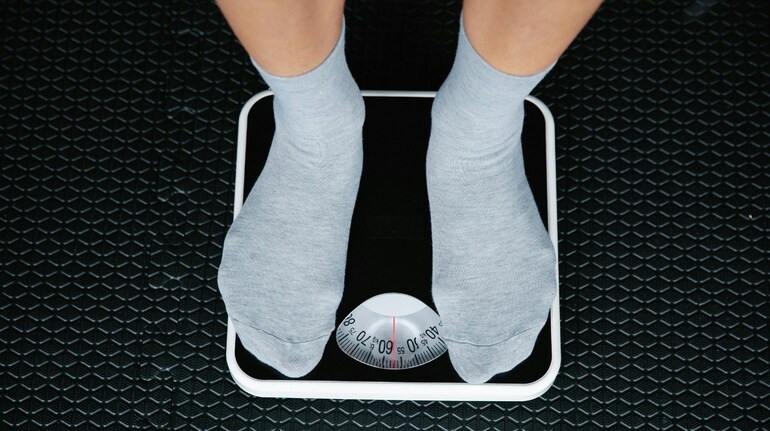

People on a weight loss programme can be easily disheartened with the weighing machine if it doesn’t show any progress. But there’s also a possibility that you may not be checking yourself at the right times for a more accurate reading. And so Alex, a NASM-certified personal trainer, took to his Instagram account to share the worst times to weigh yourself and when you should actually be doing it.
It is not hard to guess that the belly is full of food and water, which means extra kilos. This doesn’t imply fat gain; it’s just that it hasn’t been digested yet.
Also read | Nutritionist shares 10 high-protein foods that helped her lose 25 kg in just 4 months
It is not unusual for the hormones to cause water retention and bloating. This implies more weight on the machine. Alex said, “You can see a 2–5 lb jump that disappears once your cycle ends.”
Alcohol does no good and affects your hydration levels negatively. Measuring yourself after a night of drinking may be a mistake, as an uptick in reading could be a result of water retention and less weight may be a sign of dehydration. Both are far from accurate.
Weighing yourself right after a workout doesn’t show accurate results. According to Alex, sweating out water makes you “lighter” temporarily, but it’s not true fat loss.
Also read | Celebrity fitness trainer shares 10 easy weight loss tips that actually work
If you keep checking your weight throughout the day, it is not going to help. Weight keeps fluctuating 2–6 lbs from morning to night, it is never really stable. So random times in the day will only lead to confusing results.
It is commonly known that extra sodium leads to water retention, which shows more weight on the machine, up by almost 2–4 lbs heavier overnight.
Excess consumption of carbs is bound to show more weight but it’s not permanent. Alex said, “Carbs store with water (about 3 g per 1 g carb). You can look 3–6 lbs heavier just from glycogen and water."
While it may be common sense, he advised not to weigh yourself wearing heavy clothes such as jackets or hoodies, as the weight would add on.
It is morning after using the bathroom and before you begin eating or drinking for the day. That gives you a more consistent estimate of where you are at.
1. When is the best time to weigh myself for accurate results?
Weigh yourself in the morning after using the bathroom and before eating or drinking. This provides a more consistent estimate.
2. Why shouldn’t I weigh myself right after a workout?
Sweating out water during a workout makes you "lighter" temporarily, but this isn't true fat loss, so the results aren't accurate.
3. Is it normal to gain weight during my period?
Yes, hormonal changes cause water retention and bloating, leading to temporary weight gain of 2–5 lbs which disappears after your cycle ends.
4. Should I weigh myself after eating or drinking?
No, a full belly adds extra kilos that aren't fat gain as the food and water haven't been digested yet.
5. How does eating a salty meal affect my weight?
Extra sodium leads to water retention, making you weigh 2–4 lbs more overnight.
Disclaimer: This article, including health and fitness advice, only provides generic information. Don’t treat it as a substitute for qualified medical opinion. Always consult a specialist for specific health diagnosis.
Discover the latest Business News, Sensex, and Nifty updates. Obtain Personal Finance insights, tax queries, and expert opinions on Moneycontrol or download the Moneycontrol App to stay updated!
Find the best of Al News in one place, specially curated for you every weekend.
Stay on top of the latest tech trends and biggest startup news.