







It can be frustrating when you are trying to lose weight with PCOS and it’s just not happening as fast as you would like. Hormonal influences, resistance to insulin and metabolic problems frequently prevent traditional diet plans from working. But long-term weight loss is achievable with the proper plan and a commitment to seeking needed medical advice.
Polycystic Ovary Syndrome (PCOS) is a prevalent endocrine disorder in women of reproductive age worldwide. It manifests itself by way of infrequent menstrual periods, overproduction of androgens such as testosterone, and the presence of small cysts on the ovaries. One of the more painful symptoms of PCOS is weight gain or getting it to go away. The PCOS-related weight gain is not like the weight connects to the bad habits of eating too much or being inactive; it is closely associated with other imbalances such as hormonal imbalance and insulin average.
Mumbai-based Dr Neha Sharma, Senior Endocrinologist and Women’s Metabolic Health Specialist explains that insulin resistance leads to the body producing more insulin, which results in fat storage (particularly around the belly area). This creates slower and more difficult weight loss, even with exercise and calorie control.
PCOS can also increase cravings, disrupt metabolism and cause fatigue, adding to the challenge of keeping a healthy lifestyle. However, targeted lifestyle changes and medical assistance can help women with PCOS see real long-term success. Here are eight expert-recommended strategies that can work.
Selecting low glycaemic index foods can stabilize blood sugar and insulin. Instead of refined carbohydrates and sugary snacks, consider whole grains, legumes, vegetables, and nuts or seeds.
"The management of insulin resistance is the foundation of weight loss in PCOS," says Dr Sharma. The lower carb, higher-fiber way of eating helps to improve metabolic balance and gradual fat loss.
Protein sits on your hunger hormones and keeps you full longer. Eggs, lean meats, tofu, Greek yogurt and lentils can help minimize cravings and the likelihood of overindulging.
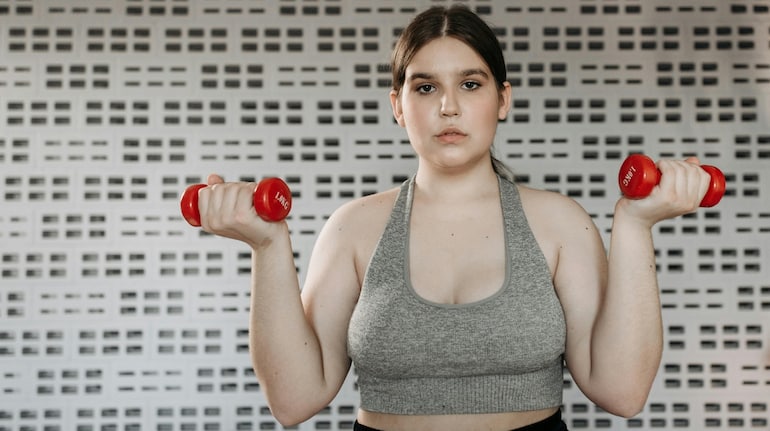
It builds muscle mass, which helps to increase our metabolism and insulin sensitivity. Doing some lifting two to three times a week may be preferable to nothing but cardio.
High stress releases cortisol, a hormone known to store fat in the middle. Things like yoga, meditation and deep breathing exercises will help you along in your hormonal balance.
Poor sleep affects hunger hormones like ghrelin, which triggers appetite, and leptin, which signals satiety. Make sure you try to get 7–9 hours of quality sleep each night, which can help support weight management and hormone regulation.
Processed foods exacerbate insulin resistance and inflammation. Limiting sugary beverages, packaged snacks and refined flour products can help metabolic health a great deal.
Some women undergoing PCOS can be considered to take medications or supplements from Doctors to help its insulin sensitivity or hormones regulation.
Also read: Doctor says these 3 medicines can save a heart attack patient
Small, sustainable adjustments to your lifestyle work better than rapid dieting. It is important to track your progress in ways that extend beyond the number on a scale – like energy levels and such.
Although PCOS can complicate the process of losing weight, knowledge about where it is coming from will allow us to make better choices. With proper nutrition, exercise program, stress management and medical assistance it is possible to lose the weight for good. Regular workouts, patience and individualistic attention are the way to long-term results.
Q. Why is it harder to lose weight with PCOS?
PCOS is commonly linked to insulin resistance and hormonal imbalance, which can increase fat storage and make weight loss slower than usual.
Q. Can losing weight improve PCOS symptoms?
Yes. Even a 5–10% reduction in body weight can help regulate menstrual cycles, improve ovulation and reduce excess androgen levels.
Q. What kind of diet works best for PCOS?
A balanced, low-glycaemic diet rich in protein, fibre, healthy fats and whole foods is often recommended.
Q. Should women with PCOS avoid carbohydrates completely?
No. The focus should be on complex carbs like whole grains, legumes and vegetables, while limiting refined sugars.
Q. Is strength training helpful for PCOS weight loss?
Yes. Strength training improves insulin sensitivity and boosts metabolism.
Disclaimer: This article, including health and fitness advice, only provides generic information. Don’t treat it as a substitute for qualified medical opinion. Always consult a specialist for specific health diagnosis
Discover the latest Business News, Sensex, and Nifty updates. Obtain Personal Finance insights, tax queries, and expert opinions on Moneycontrol or download the Moneycontrol App to stay updated!
Find the best of Al News in one place, specially curated for you every weekend.
Stay on top of the latest tech trends and biggest startup news.





