






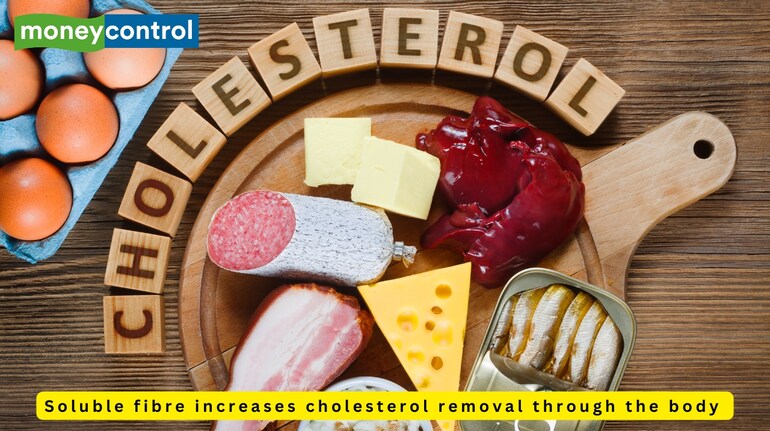

When it comes to cholesterol, many people assume it is harmful. However, gastroenterologist Dr Pal Manickam, in his new video on Instagram, clarified that it is needed by the body to make hormones, produce bile acids for digestion, maintain cell membranes, and produce vitamin D. And for those who may not know, the liver can actually produce all the cholesterol your body needs.
The problem is not cholesterol itself but prolonged high LDL levels circulating in your bloodstream. LDL is called “bad” cholesterol because excess amounts can deposit inside the blood vessels. Over time, this leads to plaque formation inside the arteries, which narrows the blood vessels and restricts blood flow, increasing the risk of heart disease.
While a combination of changes are required to lower your bad cholesterol naturally, Dr Pal Manickam focused on one proven way that helps tackle the problem efficiently: it is soluble fibre.
Fibre is often underestimated for lowering cholesterol, as it helps gradually. Explaining how it works, he said, “Fibre is a type of carb that your body does not absorb into the bloodstream, unlike protein or fat. It is passed through the digestive system largely unchanged and that’s why it plays an important role in cholesterol control.”
The role of bile is also significant. It is a digestive fluid that helps your body digest fat. “Your liver makes bile using cholesterol. It is stored in the gallbladder and released into the intestine whenever you eat food that contains fat. After digestion most bile acids are reabsorbed from the intestines and sent back to the liver to be reused,” he added.
The gastroenterologist explained that soluble fibre forms a gel inside the gut, which binds to the bile acids, preventing them from being reabsorbed and excreted through the stool. When soluble fibre helps remove bile, your liver pulls more LDL from the blood to make new bile, which lowers circulating LDL levels.
He added, “Increasing soluble fibre helps in two ways: it increases cholesterol removal through the body and reduces cholesterol absorption into the body. But not all fibre works the same. The LDL-lowering type is soluble fibre.”
Dr Manickam suggested having fibre regularly, sharing some of its main sources. These include: oats, barley, apples, legumes, citrus fruits, psyllium husk. Daily intake supports LDL reduction.
Also read: Doctor says these 3 medicines can save a heart attack patient
Q. What is LDL and why is it called “bad cholesterol”?
Low-density lipoprotein is often referred to as “bad cholesterol” because high levels can lead to plaque buildup in arteries, increasing the risk of heart disease and stroke.
Q. What causes high LDL cholesterol?
Common causes include diets high in saturated and trans fats, lack of physical activity, obesity, smoking, excessive alcohol consumption, genetics and certain medical conditions.
Q. What foods help lower LDL cholesterol?
Foods rich in soluble fibre such as oats, beans, lentils, fruits and vegetables can help reduce LDL levels. Healthy fats found in nuts, seeds, olive oil and fatty fish are also beneficial.
Q. Does exercise help lower LDL?
Yes. Regular physical activity can help reduce LDL levels while increasing HDL (good cholesterol). Experts often recommend at least 30 minutes of moderate exercise most days of the week.
Q. Can losing weight help reduce LDL cholesterol?
Yes. Even modest weight loss can improve cholesterol levels and overall heart health.
Disclaimer: This article, including health and fitness advice, only provides generic information. Don’t treat it as a substitute for qualified medical opinion. Always consult a specialist for specific health diagnosis.
Discover the latest Business News, Sensex, and Nifty updates. Obtain Personal Finance insights, tax queries, and expert opinions on Moneycontrol or download the Moneycontrol App to stay updated!
Find the best of Al News in one place, specially curated for you every weekend.
Stay on top of the latest tech trends and biggest startup news.





