






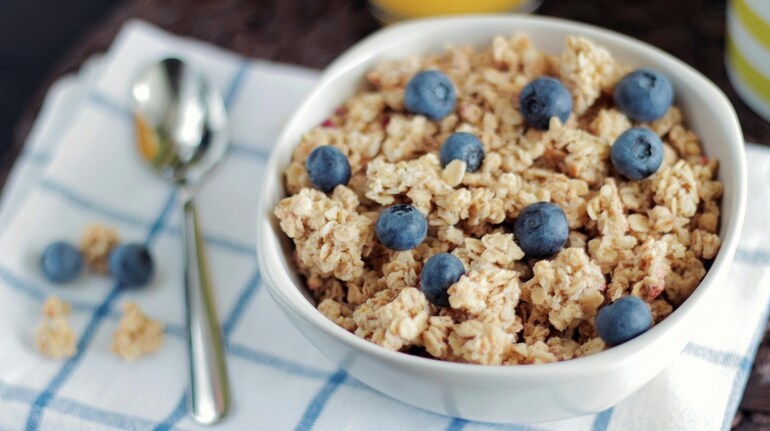

In an age obsessed with wonder drugs and weight-loss injections, it seems almost laughable that salvation might lie in a bowl of porridge. However, scientists in Germany have found that just 48 hours of oatmeal could help lower bad cholesterol and nudge the body back towards better heart health.
The clinical trial, published in Nature Communications, focused on men and women with metabolic syndrome; the worrying mix of excess weight, high blood pressure, raised blood sugar and unruly blood fats that so often paves the way to diabetes and heart disease.
Participants were asked to eat little more than boiled oats for two days, lowering their calorie intake by roughly half. Three portions a day, 300 grams in total, with only small additions of fruit or vegetables. No fancy superfoods. Just oats.
Compared with a control group who also cut calories but skipped the oats, the porridge eaters saw their harmful LDL cholesterol fall by a striking 10 per cent. They lost an average of two kilograms and shaved a little off their blood pressure too. More remarkably still, the cholesterol improvement was detectable six weeks later.
Scientists believe the explanation lies deep in the gut. The oat-rich plan altered the balance of bacteria in the intestines, encouraging microbes that break down oats into beneficial compounds such as ferulic acid, substances thought to support healthier cholesterol metabolism and improve insulin sensitivity.
A ten per cent reduction in LDL cholesterol may not rival modern medicines, but it is medically significant. Lower LDL means less fatty build-up in artery walls, reducing the risk of clots, heart attacks and strokes over time.
Those on the oat plan shed around two kilograms in just 48 hours and experienced modest blood pressure reductions. While calorie cutting played a role, the oat group consistently outperformed those who merely reduced food intake.
Researchers detected shifts in gut bacteria linked to improved metabolic health. Certain microbes flourished on oats, producing phenolic compounds believed to influence cholesterol processing and possibly protect against insulin resistance.
In a separate six-week phase, volunteers ate 80 grams of oats daily without strict calorie limits. The results were modest. It appears the intensive, short burst delivered a stronger metabolic jolt than a gentler long-term approach.
The study is similar to an idea first explored by early 20th-century physician Carl von Noorden, who used oats to treat diabetes long before insulin became widespread. Now, with metabolic disorders surging across the globe, this most traditional of breakfasts may be ready for a comeback.
1. How does oatmeal help lower bad cholesterol?
Oatmeal contains soluble fibre, which helps reduce the absorption of cholesterol into the bloodstream. The beta-glucan in oats binds to cholesterol-rich bile acids in the gut, leading to their excretion and, consequently, lowering cholesterol levels.
2. How much oatmeal should I eat to see a reduction in bad cholesterol?
In the study, participants consumed 300 grams of oatmeal daily for two days. While individual responses may vary, incorporating a daily serving of about 80 grams of oats can contribute to cholesterol reduction over time.
3. Can I add other ingredients to my oatmeal?
Yes, you can add small amounts of fruit or vegetables to your oatmeal. However, avoid high-sugar and high-fat additions like syrup or butter to maintain the health benefits.
4. How long does it take to see results in cholesterol levels after eating oatmeal?
In the study, significant reductions in LDL cholesterol were observed after just 48 hours. However, the duration for noticeable results can vary based on individual health conditions and dietary habits.
5. Is oatmeal effective for everyone in lowering bad cholesterol?
While oatmeal is beneficial for many people, the extent of its impact on cholesterol levels can vary. It's always best to consult with a healthcare professional to determine the most effective dietary changes for your specific health needs.
Disclaimer: This article, including health and fitness advice, only provides generic information. Don’t treat it as a substitute for qualified medical opinion. Always consult a specialist for specific health diagnosis
Discover the latest Business News, Sensex, and Nifty updates. Obtain Personal Finance insights, tax queries, and expert opinions on Moneycontrol or download the Moneycontrol App to stay updated!
Find the best of Al News in one place, specially curated for you every weekend.
Stay on top of the latest tech trends and biggest startup news.





