






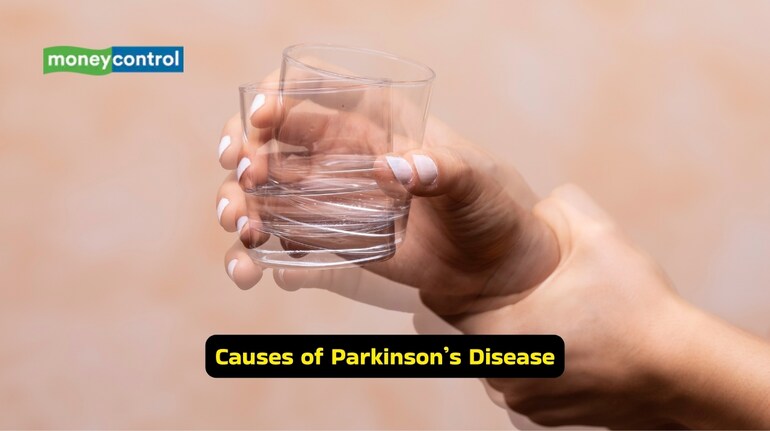
Dopamine, for years, has been described as the brain’s accelerator: Press it, and movement speeds up. Ease off, and the body slows. However, a recent research suggests dopamine’s role in movement has been misunderstood all along.
Researchers at McGill University now suggest dopamine isn’t telling the body how fast or forcefully to move. Instead, it’s making movement possible in the first place.
Parkinson’s disease, which affects movement, balance and coordination, is defined by the loss of dopamine-producing brain cells. The drug levodopa has long been known to restore movement remarkably well, yet scientists never fully agreed on why. Many assumed dopamine surged during movement, acting like a moment-by-moment controller. With new tools able to track brain chemistry in real time, those assumptions finally faced a proper test, and they didn’t hold up.
Also read | Parkinson disease: Causes, symptoms and treatment strategies for this neurological disorder
Using advanced light-based techniques, scientists observed dopamine activity in mice as they performed physical tasks. When dopamine-producing cells were switched on or off during movement, nothing changed. Speed stayed the same. Strength stayed the same. Movement didn’t falter.
But when overall dopamine levels were restored to normal, movement improved. The implication showed that dopamine isn’t directing movement, it’s enabling it.
The researchers describe dopamine less like a throttle and more like engine oil. Oil doesn’t decide how fast a car goes, but without it, nothing runs smoothly, or at all. In the same way, dopamine creates the conditions needed for movement, without dictating its details.
This shift in thinking could simplify how doctors approach care. Instead of trying to replicate rapid dopamine bursts, future treatments may focus on maintaining steady, healthy dopamine levels, potentially reducing side effects and improving long-term outcomes.
Also read | How exercise therapy empowers people with Parkinson’s disease
What the study reveals
Dopamine does not control movement, speed, or force.
Short dopamine bursts during movement isn’t essential.
Restoring baseline dopamine improves movement
Levodopa works by raising overall dopamine levels
Future treatments may aim for stability, not spikes
With Parkinson’s cases expected to rise as populations age, understanding how treatments work has never mattered more. This discovery invites scientists to revisit older therapies with fresh eyes, and new precision.
Disclaimer: This article, including health and fitness advice, only provides generic information. Don’t treat it as a substitute for qualified medical opinion. Always consult a specialist for specific health diagnosis.
Discover the latest Business News, Sensex, and Nifty updates. Obtain Personal Finance insights, tax queries, and expert opinions on Moneycontrol or download the Moneycontrol App to stay updated!
Find the best of Al News in one place, specially curated for you every weekend.
Stay on top of the latest tech trends and biggest startup news.




