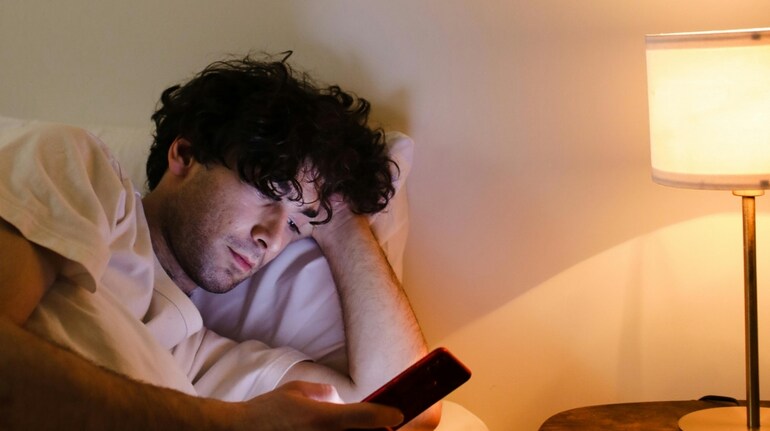

Scrolling past midnight has become a routine for many. Meals are missed, caffeine fills the gaps, and rest is postponed for just one more notification. From an Ayurvedic perspective, these are not harmless routines of modern life. They are signals of a body under pressure, nudged out of rhythm by constant stimulation.
When sleep is pushed late night after night, that rhythm frays. “Your body expects rest at a certain hour,” says Dr Partap Chauhan, Founder and Director, Jiva Ayurveda. “When that expectation is repeatedly ignored, hormonal balance is the first casualty.”
Cortisol, the stress hormone, lingers. Insulin sensitivity can dip. You wake feeling tired yet restless, hungry at odd hours, oddly full at others. “ You gain weight, even when you know you’re not eating much. From an Ayurvedic view, late nights disturb Vata and Kapha. Digestion dulls, fat metabolism slows, and the body starts conserving energy instead of burning it.” he says.
Also read: Doctor says these 3 medicines can save a heart attack patient
Burnout is often framed as emotional exhaustion. Ayurveda sees it as systemic. When the mind stays overloaded without recovery, the nervous system remains on high alert. “Mental strain does not stay in the mind,” Dr Chauhan explains. “It travels through the nervous system and influences appetite, mood and sleep hormones.”
Gradually, the body adapts in ways that feel personal but are biological responses to prolonged stress.
“These are not discipline problems,” Dr Chauhan informs. “They are signals of imbalance.”
Irregular meals and ultra-processed foods weaken agni, the digestive fire. When agni falters, nutrients aren’t fully absorbed and toxins, known as ama, build up. The result can be bloating, skin flare-ups, mental fog and stubborn weight. Ayurveda doesn’t label food as good or bad; it looks at timing, quantity and compatibility. Constant snacking and late, heavy meals keep digestion overloaded until metabolism learns to slow down.
Balance doesn’t demand perfection. “Small corrections create lasting change,” says Dr Chauhan. Anchor sleep before midnight most days. Choose warm, freshly cooked meals when possible. Step away from screens, even briefly. Five minutes of stillness can reset the nervous system. As rest and digestion improve, hormones follow.
1. Which Gen Z habits are harming health the most?
Excessive screen time, irregular sleep, poor diet choices, and lack of physical activity.
2. How does screen addiction affect Gen Z’s health?
It can cause eye strain, poor posture, sleep disturbances, and mental fatigue.
3. Are eating habits a concern for Gen Z?
Yes, frequent consumption of ultra-processed foods and sugary drinks affects gut and metabolic health.
4. How does sleep deprivation impact health?
Poor sleep weakens immunity, affects mood, and increases long-term disease risk.
5. Can these habits be reversed?
Yes, by building balanced routines around movement, nutrition, digital breaks, and proper sleep.
Disclaimer: This article, including health and fitness advice, only provides generic information. Don’t treat it as a substitute for qualified medical opinion. Always consult a specialist for specific health diagnosis.
Discover the latest Business News, Sensex, and Nifty updates. Obtain Personal Finance insights, tax queries, and expert opinions on Moneycontrol or download the Moneycontrol App to stay updated!
Find the best of Al News in one place, specially curated for you every weekend.
Stay on top of the latest tech trends and biggest startup news.