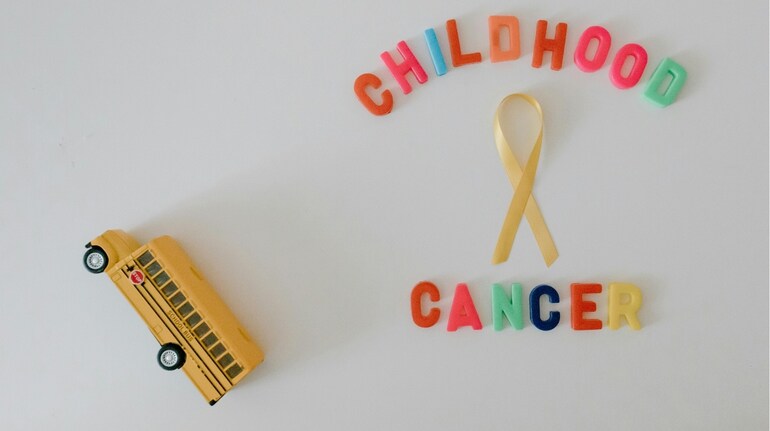

Leukaemia in children is a cancer of the blood and bone marrow where abnormal white blood cells grow uncontrollably, crowding out healthy cells, causing infections, anaemia, bleeding problems, fatigue, and requiring urgent medical treatment such as chemotherapy.
In children, the most common type is Acute Lymphoblastic Leukaemia (ALL), followed by Acute Myeloid Leukaemia (AML), explains Dr Neha Garg, Senior Consultant & Head, Medical Oncology, Andromeda Cancer Hospital, Sonipat. “Because blood travels to every corner of the body, symptoms can appear ordinary, easily mistaken for everyday childhood ailments,” she warns.
Leukaemia, says Dr Garg, often disguises itself as a common infection. “That is why awareness among parents is absolutely critical. Early detection dramatically improves outcomes,” she says.
Also read | Childhood cancer: Patterns of spread and early symptoms of Leukaemia, brain tumours, lymphomas
Explaining why children are more vulnerable, Dr Garg says that unlike many adult cancers, childhood leukaemia is rarely linked to lifestyle. “It does not arise from cigarettes, poor diet or pollution in the same way. Instead, it is believed to stem from genetic mutations occurring early in life, changes that medicine is still striving to fully understand”
Children’s bone marrow cells divide rapidly as they grow. With such swift cell division comes a greater chance, albeit rare, of abnormal changes. “Rapidly growing cells are naturally more vulnerable to mutation. Most of the time, the body corrects these errors. Occasionally, it does not,” she says. Because leukaemia affects blood-forming cells, it can develop silently before obvious symptoms emerge. And therein lies the challenge.
Dr Garg shares symptoms of childhood cancer no parent should ignore:
Persistent fever beyond explanation: A fever that continues for weeks despite appropriate antibiotics deserves attention. Children frequently fall ill, but a fever lasting beyond a month without clear cause must not be dismissed lightly.
Also read | Childhood leukaemia: Pediatric oncologist shares 6 early warning signs parents should never ignore
Unexplained weight loss, unusual fatigue: If a child loses more than 10 per cent of their body weight in a short time, or appears constantly drained and weak, further investigation is warranted. Cancer cells consume energy, leaving young bodies depleted.
Night sweats and swollen glands: Drenching night sweats, particularly when paired with fever and weight loss, can signal trouble. Swelling in the neck, armpits or abdomen, enlarged lymph nodes, liver or spleen, may indicate an underlying blood disorder.
Frequent bruising, pallor and recurring infections: When bone marrow struggles to produce healthy blood cells, children may look unusually pale, bruise easily or suffer repeated infections. Persistent vomiting and loss of appetite over several weeks also raise concern.
The reassuring truth is this: Childhood leukaemia, particularly ALL, is often treatable if caught early. A simple blood test can reveal important clues. From there, specialist referral and, if required, a bone marrow examination confirm the diagnosis.
“Parents should remain vigilant but not fearful,” Dr Garg advises. “Most fevers are infections. However, if symptoms persist, worsen or fail to respond to treatment, further evaluation is essential,” she adds.
Modern advances in chemotherapy, targeted therapy and supportive care have transformed survival rates. Children once given slim odds are now growing into healthy adults with full, vibrant lives.
1. What is childhood leukaemia?
Childhood leukaemia is a cancer of the blood and bone marrow where abnormal white blood cells grow uncontrollably, crowding out healthy cells and causing various health issues.
2. What are the common types of leukaemia in children?
The most common types of childhood leukaemia are Acute Lymphoblastic Leukaemia (ALL) and Acute Myeloid Leukaemia (AML).
3. What symptoms of childhood cancer should parents be aware of?
Parents should watch for persistent fever, unexplained weight loss, unusual fatigue, night sweats, swollen glands, frequent bruising, pallor, and recurring infections.
4. Why are children more vulnerable to leukaemia?
Childhood leukaemia is rarely linked to lifestyle factors and is believed to result from genetic mutations that occur early in life, making rapidly dividing cells more susceptible to mutation.
5. How important is early diagnosis in childhood leukaemia?
Early diagnosis is crucial as it dramatically improves outcomes. A simple blood test can reveal important clues, leading to further specialist evaluation and treatment if necessary.
Disclaimer: This article, including health and fitness advice, only provides generic information. Don’t treat it as a substitute for qualified medical opinion. Always consult a specialist for specific health diagnosis.
Discover the latest Business News, Sensex, and Nifty updates. Obtain Personal Finance insights, tax queries, and expert opinions on Moneycontrol or download the Moneycontrol App to stay updated!
Find the best of Al News in one place, specially curated for you every weekend.
Stay on top of the latest tech trends and biggest startup news.