






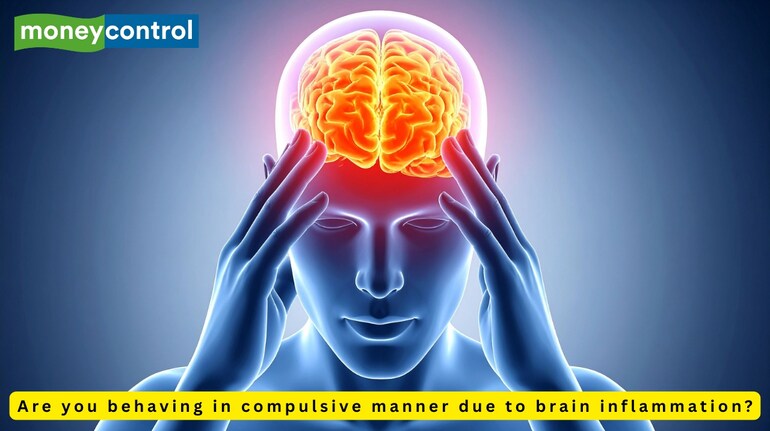

Compulsive behaviours are actions a person feels almost compelled to do, again and again, even if they don’t really want to or know it’s not helpful. It’s like the brain has a repeat button on certain thoughts or actions, making someone act out of pressure or worry rather than choice.
For decades, compulsive behavior has been seen as a habit, automatic actions that self-control can’t stop. But a recent study from Sydney challenges that idea, showing the brain may actually be trying too hard, not too little.
Compulsive behaviors affect millions worldwide, appearing in conditions like OCD, gambling disorder, and substance use disorder. Whether it’s repeated handwashing or constant gambling, the common belief has been that habits take over, and rational thought fades.
Senior researcher Dr. Laura Bradfield and her team at University of Technology Sydney argue that habits themselves aren’t the problem, they help us deal with daily life without thinking too hard. Problems appear when the brain over-corrects instead of switching back to automatic control.
Here’s what the researchers discovered
Rats with striatum inflammation showed more goal-directed behavior. They didn’t act automatically but adjusted their actions based on outcomes, suggesting heightened, not reduced, focus.
Inflammation caused star-shaped brain cells called astrocytes to multiply, disrupting nearby circuits that guide movement and decision-making.
Rather than losing control, some compulsive behaviors may result from overthinking—when the brain applies too much focus instead of flexibility.
If inflammation and astrocytes play a role, therapies that calm brain inflammation, through medicine, better sleep, and exercise, could help.
The study suggests someone repeatedly washing their hands may not be acting mindlessly, they could be thinking too much about consequences. Instead of a brain stuck in habit loops, compulsive behavior may come from a brain that is inflamed and overworked.
Also read: Doctor says these 3 medicines can save a heart attack patient
Understanding the biological cause offers hope.
Q. What does compulsive behaviour mean?
Compulsive behaviour refers to repetitive actions a person feels driven to perform, often to reduce anxiety or distress, even if they know the behaviour may not make sense.
Q. What causes compulsive behaviour?
Several factors can contribute, including stress, anxiety, trauma, hormonal imbalances, and changes in brain chemistry.
Q. Is compulsive behaviour linked to any mental health condition?
Yes. It is commonly associated with Obsessive–compulsive disorder (OCD), but it can also appear in anxiety disorders, depression, and addiction.
Q. Can brain inflammation influence compulsive actions?
Emerging research suggests that inflammation in certain brain regions may affect impulse control and decision-making, possibly contributing to compulsive tendencies.
Q. Is stress a trigger for compulsive behaviour?
Yes. High stress levels can increase anxiety, which may worsen compulsive habits.
Disclaimer: This article, including health and fitness advice, only provides generic information. Don’t treat it as a substitute for qualified medical opinion. Always consult a specialist for specific health diagnosis
Discover the latest Business News, Sensex, and Nifty updates. Obtain Personal Finance insights, tax queries, and expert opinions on Moneycontrol or download the Moneycontrol App to stay updated!
Find the best of Al News in one place, specially curated for you every weekend.
Stay on top of the latest tech trends and biggest startup news.





