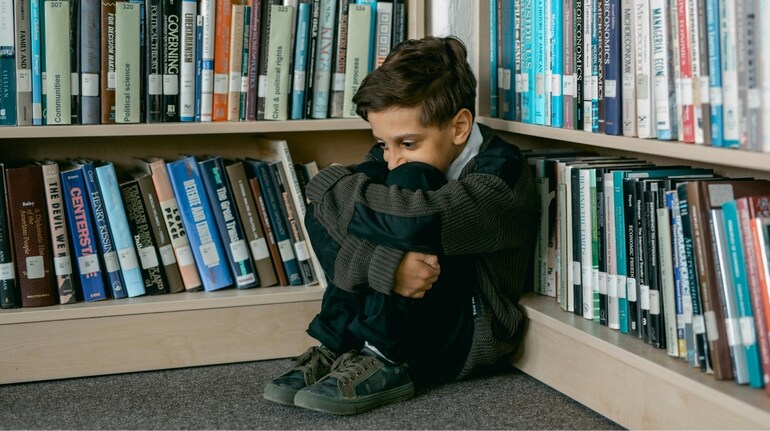
Anxiety and stress in children are increasingly recognised as significant issues affecting emotional health, learning, and social development. Many children suffer in silence, unable to express their fear, anxiety, or emotional turmoil. Unfortunately, anxiety is often mistaken for shyness, aloofness, or difficult behaviors, leading to delayed assistance.
Acknowledging stress triggers such as academic pressure, home transitions, social challenges, or health-related worries can provide considerable comfort to both children and parents, according to Dr Poonam Sidana, Director of Neonatology & Paediatrics at CK Birla Hospital, Delhi.
Early detection of symptoms like sleep disturbances, withdrawal, excessive fear, or physical complaints is crucial.
Also read | Executive dysfunction in kids: Signs parents often mistake for laziness
From the fierce competition for top school spots to excessive homework, children face performance pressures from a young age. Social media amplifies these concerns significantly.
Social media, gaming, and video-watching expose children to unrealistic content, fear-inducing material, and constant overstimulation, leading to increased anxiety levels.
Playing outside helps the body release serotonin and endorphins, natural mood boosters. However, as playgrounds shrink and children increasingly rely on technology, they miss out on this natural stress-relief mechanism.
Children are highly sensitive to their surroundings. Disruptions in parental relationships, financial issues, excessive work hours, and distant parental care can make children feel insecure and anxious.
Also read | Child psychologist shares 8 best fun things that can help calm an ADHD and ASD child
Unhealthy sleep habits, lack of daily routines, and poor diet can emotionally affect children, leading to imbalances in their emotional states as they struggle to manage them.
Nervousness-related physical or behavioral manifestations may include:
Unexplained tummy aches and headaches
Irritability, crying spells, or outbursts
Withdrawal from friends or activities
Difficulty concentrating or agitation
Fear of being alone
Excessive worry about school or family
Create predictability by establishing daily routines, providing a sense of security.
Monitor and control screen usage, especially before bedtime.
Encourage outdoor activities to ensure physical engagement by playing games like "Calm Communication."
Maintain a stress-free environment.
Acknowledge their emotions by listening rather than dismissing their fears.
Use expressive modes like drawing, writing, or talking to help the child express their emotions.
Seek expert help if the problem persists by consulting a child psychologist. With proper care, children can learn to manage their anxiety and develop emotional resilience.
Disclaimer: This article, including health and fitness advice, only provides generic information. Don’t treat it as a substitute for qualified medical opinion. Always consult a specialist for specific health diagnosis.
Discover the latest Business News, Sensex, and Nifty updates. Obtain Personal Finance insights, tax queries, and expert opinions on Moneycontrol or download the Moneycontrol App to stay updated!
Find the best of Al News in one place, specially curated for you every weekend.
Stay on top of the latest tech trends and biggest startup news.