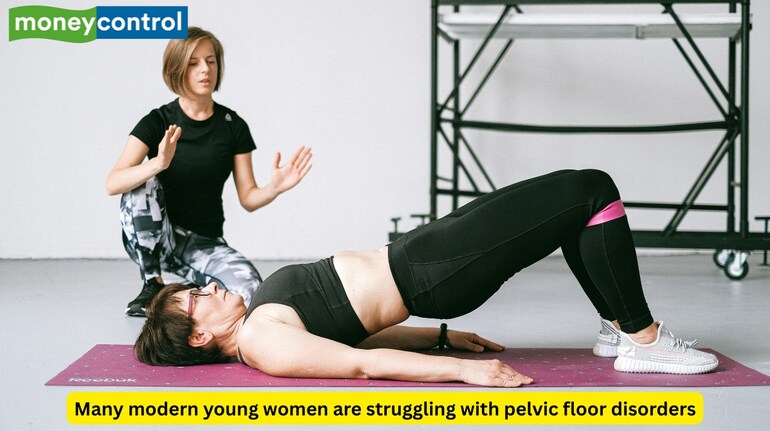
Pelvic floor disorders are not just for old ladies any more. Young women are suffering from these diseases increasingly frequently, as a result of the modern way of life.
Pelvic floor dysfunctions have been traditionally considered as the consequences of aging, childbirth or menopause; however, this representation is fast eroding. More women in their 20s and 30s are being diagnosed with issues associated with pelvic floor dysfunction, says the doctors. The modern way of life, which is characterised by hours spent sitting or hunched, high stress levels, lack of physical activity and non-correct exercise execution can be seen as some candidates that substance these facts. Chronic constipation, obesity, heavy lifting, and failure to immediately investigate early symptoms also play a role in risk.
The pelvic floor is an important component, from a structural standpoint, in maintaining bladder and bowel health as well as serving reproductive functions, but it’s often underappreciated until something goes wrong. “As awareness increases, it is evident that prevalence for prevention and early intervention is important particularly for young women who may not look at these symptoms as medical issues,” says Dr Juhee Jain, Director, Obstetrics and Gynecology, Madhukar Rainbow Children’s Hospital, Delhi
Understanding the everyday behaviours that affect your pelvic floor is what allows us to minimize such long-term complications, and maximize quality of life.
The fact is explained in connection to desk jobs, long commutes, or generally sedentary lifestyle that hardly engages pelvic muscles at all, directly weakening them over time.
The repeated, strong straining during passing the stubborn and hardened stool applies so much downward pressure on the pelvic organs that it weakens the important supportive structures.
High-intensity weight training, Crossfit, and high-intensity core exercises can create too much stress on these very fragile muscles if proper attention to form or engagement of the pelvic floor is not used.
PCOS, thyroid disorders, and modifications due to contraceptive use are some conditions that may affect the strength of the tissues. Such changes can affect the general quality of tissues and thus weaken the supportive mechanisms in the pelvis.
Carrying extra body mass highly raises intra-abdominal pressure. This chronic downward force is one of the most strong predisposing factors constituting symptoms such as leakage of urine, chronic pelvic pain, and the onset of pelvic organ prolapse.
Stress leaves the pelvic muscles hypertonic, or too tight. Chronic tension may lead to chronic pain, discomfort, and painful muscle spasms.
Habitual slouching or poor sitting posture changes the normal alignment of the pelvis. Such misalignment deprives the pelvic floor muscles of their optimal operation, thus reducing their inherent tone and support.
Most young women tend to ignore early signs, such as a mild feeling of heaviness, slight urinary leakage during coughing or exercises, or discomfort, assuming that this is normal or minor. This in turn delays the treatment that should be instituted.
Good news is that quite often, conservative and holistic approaches bring considerable improvement on their own. This would include targeted pelvic physiotherapy, conscious correction of posture, supervised core strengthening, and attention to hydration and fibre intake.
Early intervention forestalls future complications. Pelvic floor weakness or dysfunction treated early contributes much to the long-term health of the patient. Early care prevents diseases from blowing out of proportion due to conditions such as advanced prolapse or chronic pelvic pain and improves recovery in the postpartum period.
Also read: Doctor says these 3 medicines can save a heart attack patient
Life in modern times is silently stealing the pelvic floor health of young women. We can save long-term urinary, sexual, and reproductive health through awareness, early care, and preventive life habits.
Q. What is pelvic floor disorder?
It’s a condition where the pelvic floor muscles are weak, tight, or damaged, affecting bladder, bowel, or pelvic organ control.
Q. What are common symptoms?
Symptoms include urinary or bowel leakage, pelvic pain, pressure, or difficulty emptying the bladder or bowels.
Q. Who is at risk of pelvic floor disorder?
It commonly affects women after childbirth, menopause, surgery, or with aging, but men can also be affected.
Q. How is pelvic floor disorder treated?
Treatment may include pelvic floor exercises, physical therapy, lifestyle changes, medications, or surgery in severe cases.
Q. Can pelvic floor disorder be prevented?
Maintaining a healthy weight, avoiding chronic straining, and doing pelvic floor exercises can help reduce risk.
Disclaimer: This article, including health and fitness advice, only provides generic information. Don’t treat it as a substitute for qualified medical opinion. Always consult a specialist for specific health diagnosis.
Discover the latest Business News, Sensex, and Nifty updates. Obtain Personal Finance insights, tax queries, and expert opinions on Moneycontrol or download the Moneycontrol App to stay updated!
Find the best of Al News in one place, specially curated for you every weekend.
Stay on top of the latest tech trends and biggest startup news.