







India is witnessing a sharp rise in type 2 diabetes, obesity, hypertension, PCOS, and other metabolic diseases. While symptom management is one aspect, nutritional choices matter much more, as they play a crucial role in long-term disease prevention.
In his new post on social media platform X, Dr Sudhir Kumar, a neurologist at Apollo Hospital in Hyderabad, pointed out one major driver of metabolic disorders: consuming "modernised," highly processed versions of traditional foods. “If you want to protect your metabolic health, reduce or stop these five items immediately,” he said.
It is well known that sodas and packaged juices contain added sugars, which are harmful to health in more ways than one. “Fructose overloads the liver, leading directly to insulin resistance and fatty liver. Juice without fibre is just sugar water,” he warned. He suggested swapping packaged drinks with butter milk or plain water.
Also read | Dark side of your diet: 9 everyday foods that may be toxic; even water is not safe
Metabolic disease (Type 2 Diabetes, hypertension, PCOS) is skyrocketing in India. A major driver? We are consuming "modernized," highly processed versions of our traditional foods.✅If you want to protect your metabolic health, reduce or stop these 5 items immediately. 1️⃣… — Dr Sudhir Kumar MD DM (@hyderabaddoctor) March 4, 2026
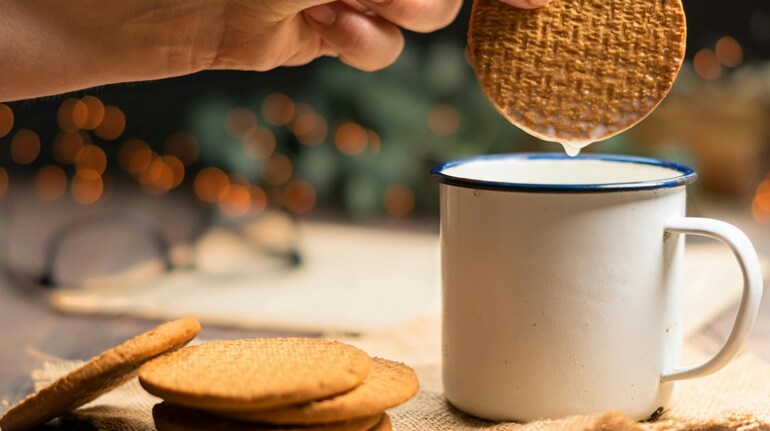
Most people avoid adding sugar to their tea but do not realise that the biscuits they enjoy as accompaniments may be more damaging to their health. Dr Kumar warned that while they may be marketed as healthy or digestive, they contain refined flour, sugar, and inflammatory palm oil. Their high glycemic index causes a rapid sugar crash. Better swaps include roasted makhana or walnuts.
Packaged namkeens are a favourite in Indian households and are often enjoyed as snacks alongside evening tea. They are very high in sodium and are fried in cheap, ultra-processed vegetable oils that have been heated multiple times. This makes them highly inflammatory and harmful to blood pressure. Dr Kumar recommended consuming roasted chickpeas instead.
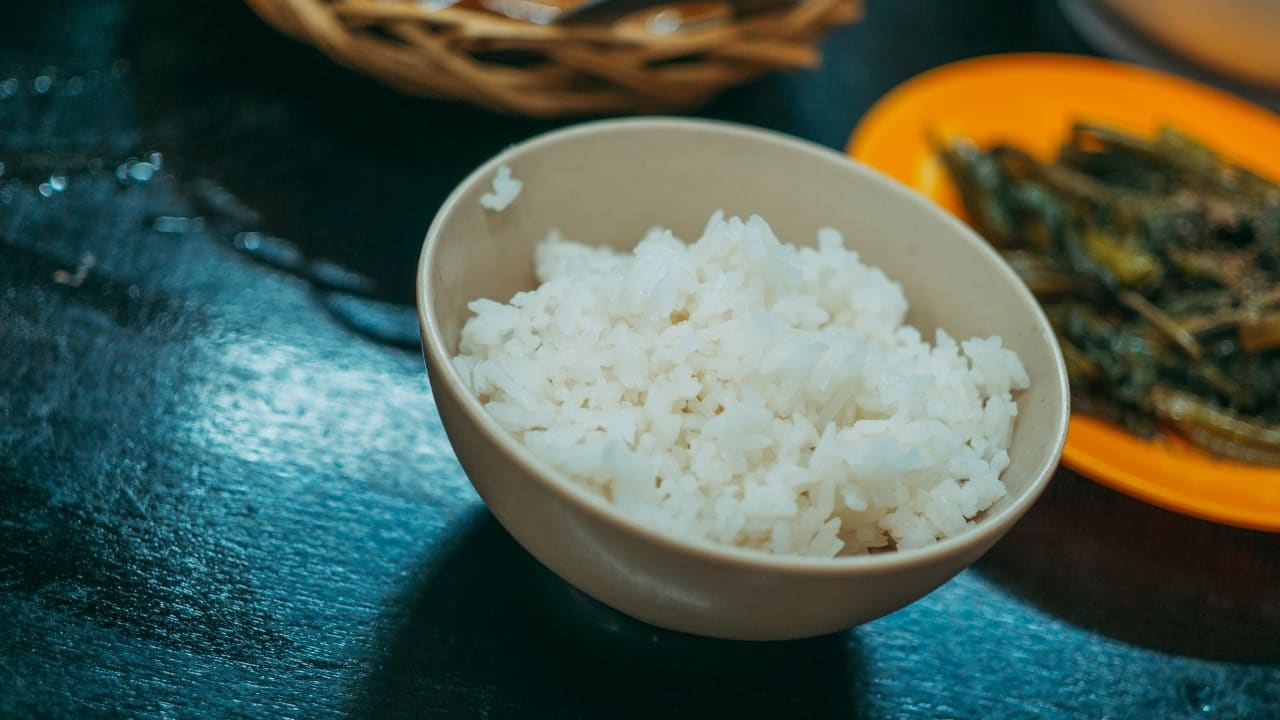 Health risks of white rice: The expert pointed out that many people often consume excessive quantities of white rice without pairing it with fibre or protein to counter the glucose spike (Image: Pexels)
Deep-fried snacks are delicious but unhealthy. At restaurants, the samosas, pakoras, and vadas you enjoy are usually fried in reused oxidised oil. The combination of maida and bad fat is terrible for your arteries and insulin response as well. If you can’t resist the temptation, opt for home-cooked, air fried, or baked versions.
Also read | Don’t let unhealthy eating ruin your health, make better diet choices with these expert tips
White riceis a staple in Indian households. Dr Kumar noted that people often end up consuming excessive quantities of it without pairing it with fibre or protein to counter the glucose spike. Substituting it with brown rice or red rice, or practising portion control, can help. He advised doubling the serving of dal and vegetables to stay full for longer.
In the end, Dr Kumar emphasised prioritising fibre, protein, and healthy fats while reducing processed carbs and seed oils.
Disclaimer: This article, including health and fitness advice, only provides generic information. Don’t treat it as a substitute for qualified medical opinion. Always consult a specialist for specific health diagnosis.
Discover the latest Business News, Sensex, and Nifty updates. Obtain Personal Finance insights, tax queries, and expert opinions on Moneycontrol or download the Moneycontrol App to stay updated!
Find the best of Al News in one place, specially curated for you every weekend.
Stay on top of the latest tech trends and biggest startup news.





