






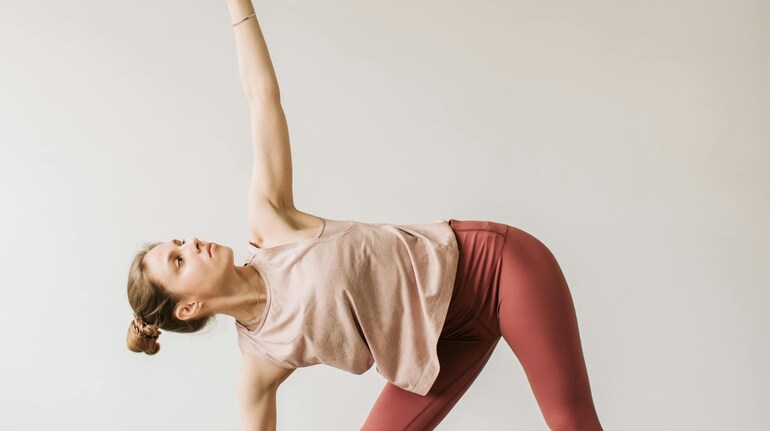

If rushing kids to school, prepping for the office, and meeting deadlines leave you exhausted, these five yoga asanas will help. They not only improve flexibility, muscular elasticity, and joint mobility, but also support emotional well-being by encouraging a stronger mind–body connection and fostering a sense of calm and balance.
One of the most effective asanas to calm your nervous system is Balasana or Child’s Pose. This comforting yoga movement helps relax your lower back, hips, and legs and tells your brain “you are safe”.
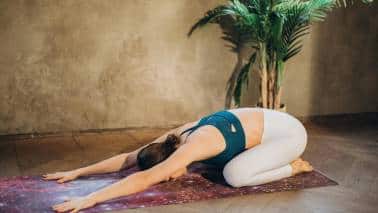 Balasana (Child’s Pose) (Picture: Pexels)
It is one of the basic poses which is considered a warm-up exercise, and even though it may seem simple it is effective in strengthening the spine, improving circulation between vertebrae, and relaxing the mind.
Also read: From 4XL to XL size, man reveals how he shed 95 kilos with keto diet and regular walking
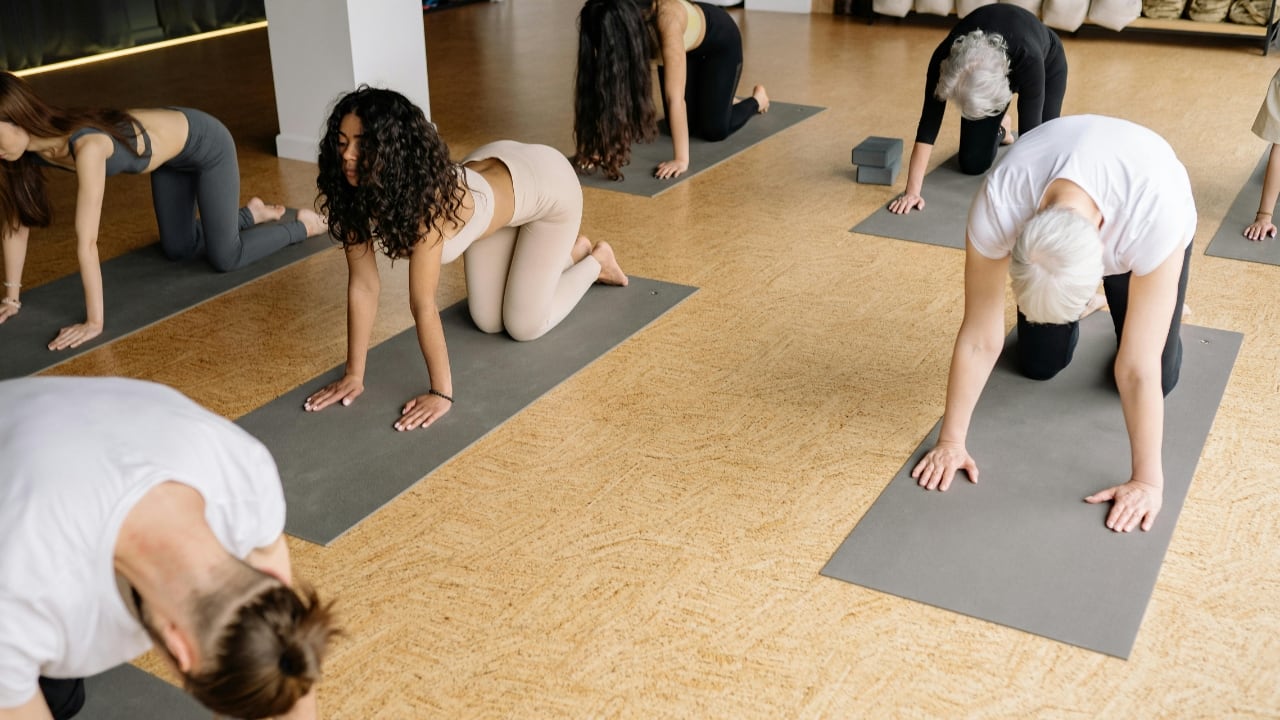 Marjaryasana-Bitilasana (Cat-Cow Stretch) (Picture: Pexels)
Shavasana makes you feel deeply relaxed by influencing breath, hormones, and the nervous system. It is an excellent way to rejuvenate both the body and mind.
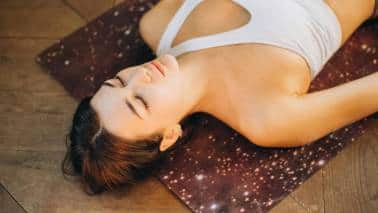 Shavasana (Picture: Pexels)
Viparita Karani, known as Legs-Up-The-Wall, is designed to improve circulation, calm the nervous system, and reduce anxiety. Additionally, it also helps reduce swelling in the legs.
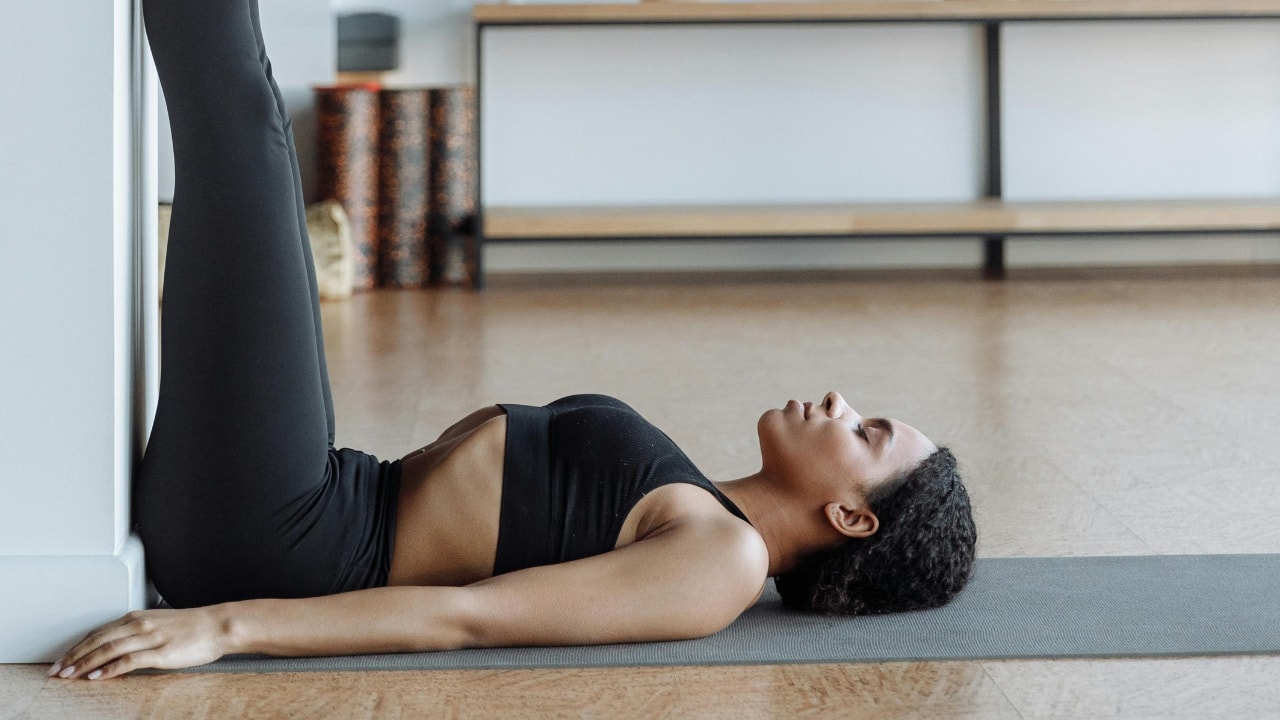 Viparita Karani (Legs-Up-The-Wall) (Picture: Pexels)
This is a simple posture that promotes relaxation by opening the chest and stretching the spine, excellent for those with lower back pain.
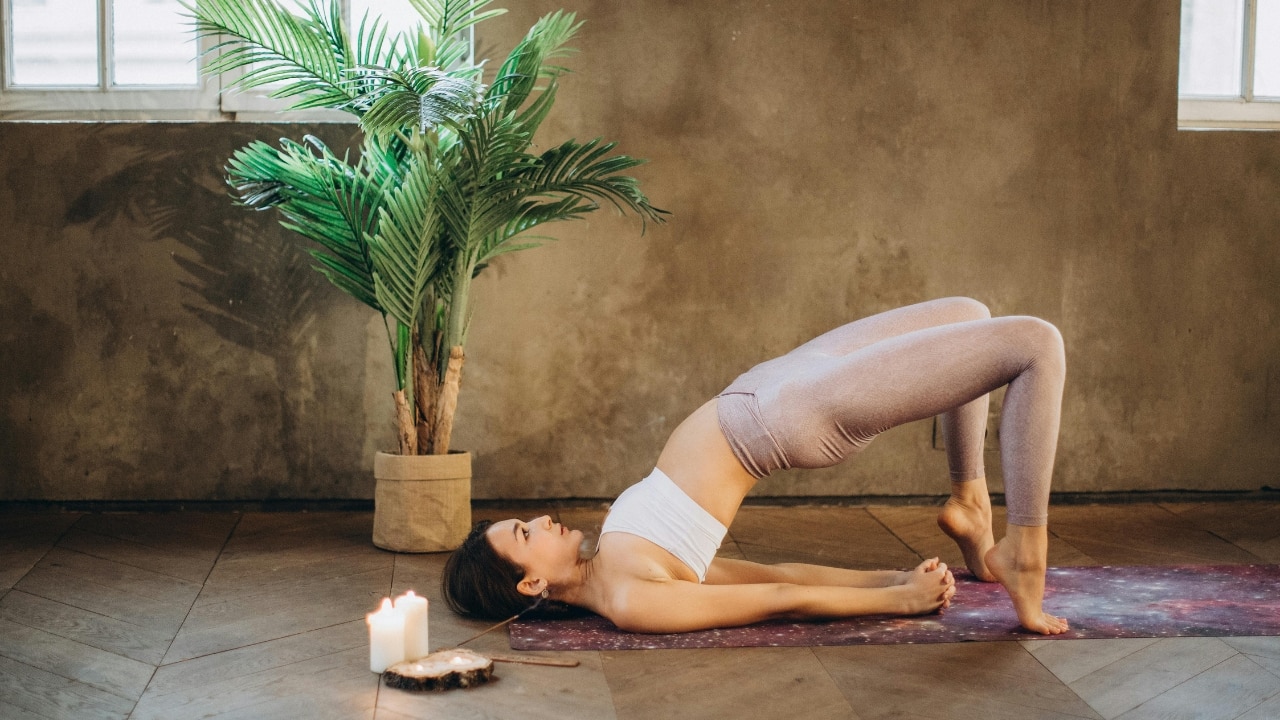 Setu Bandha Sarvangasana (Bridge pose) (Picture: Pexels)
Also read: Woman slips into same dress after losing 45 kilos, the difference is shocking
1. How do yoga asanas help calm the nervous system?
Certain yoga poses activate the parasympathetic nervous system, which promotes relaxation, lowers heart rate, and reduces stress hormones. Slow movements combined with deep breathing enhance this effect.
2. Which yoga asanas are best for relaxing the nervous system?
Poses like Child’s Pose (Balasana), Legs Up the Wall (Viparita Karani), Corpse Pose (Savasana), and Cat-Cow (Marjaryasana-Bitilasana) are especially helpful in calming the mind and body.
3. How long should I hold calming yoga poses?
Holding restorative poses for 3–10 minutes with steady breathing can provide deeper relaxation benefits. Even 5–15 minutes of practice daily can make a difference.
4. Is deep breathing important during these asanas?
Yes, slow and mindful breathing signals the body to shift into a relaxed state, helping reduce anxiety and tension.
5. Can yoga help with anxiety and stress?
Regular practice of gentle, restorative yoga may lower cortisol levels, improve mood, and reduce symptoms of stress and mild anxiety.
Disclaimer: This article, including health and fitness advice, only provides generic information. Don’t treat it as a substitute for qualified medical opinion. Always consult a specialist for specific health diagnosis.
Discover the latest Business News, Sensex, and Nifty updates. Obtain Personal Finance insights, tax queries, and expert opinions on Moneycontrol or download the Moneycontrol App to stay updated!
Find the best of Al News in one place, specially curated for you every weekend.
Stay on top of the latest tech trends and biggest startup news.





