In the 1990s, a simple marketing contest called "Number Fever" promised Filipinos a chance to escape poverty. Instead, it triggered riots, cost lives and became one of the biggest marketing disasters in history, all because of a single human error.
In the 1990s, the battle for the Philippines' soft drink market was fierce. Pepsi and Coca-Cola were in an intense "Cola War." To win, Pepsi launched "Number Fever." The rules were simple: each bottle cap had a number. If your number matched the one announced on TV, you could win up to 1 million pesos, about $68,000 at the time. For a country where the average monthly income was around $100, this was a life-changing fortune.
The campaign was a massive success. Half the country's population was said to be hunting for bottle caps. Sales soared. But the fever was about to turn into hysteria.
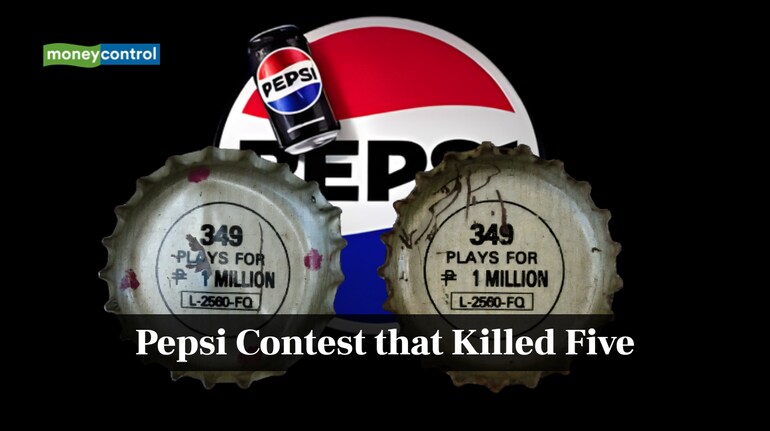
In May 1992, Pepsi extended the popular contest. One evening, the winning number flashed on television screens across the nation: 349.
There was one catastrophic problem. The number 349 was never supposed to be a winner. Due to a human error, it had been printed on over 600,000 bottle caps as a non-winning number, according to a report from Bloomberg Businessweek.
Overnight, hundreds of thousands of people believed they had become millionaires. Celebrations erupted nationwide. The next day, crowds flooded Pepsi offices, clutching their "winning" 349 caps, ready to claim their prize.
Pepsi quickly realized its mistake. Instead of paying the million-peso prize, the company offered a small apology payment of just 500 pesos (about $18) per cap.
The public felt cheated. The promise of a better life had been ripped away. The anger was explosive.
The disappointment soon turned to violence. Protesters and rioters targeted Pepsi plants and delivery trucks. Over the following year, dozens were injured and at least five people were killed.
A local preacher, Vicente del Fierro, became the leader of the fight against Pepsi. He united over 800 holders of the 349 caps and filed a massive $400 million lawsuit.
His legal battle lasted for years. At one point, arrest warrants were even issued for nine Pepsi executives. The company fought back hard, and the stress took a heavy toll on Del Fierro's health. He passed away in 2010, after nearly two decades of fighting.
When journalist Jeff Maysh investigated for Bloomberg Businessweek, Pepsi claimed it could not access records from that era but expressed regret for the events, emphasizing the nearly $10 million it paid in "goodwill payments."
But the damage was done. After the disaster, Pepsi's sales in the Philippines crashed, and Coca-Cola regained its dominance. For many Filipinos, the name Pepsi still leaves a bitter taste, a reminder of the time a winning number brought nothing but loss.

Discover the latest Business News, Sensex, and Nifty updates. Obtain Personal Finance insights, tax queries, and expert opinions on Moneycontrol or download the Moneycontrol App to stay updated!
Find the best of Al News in one place, specially curated for you every weekend.
Stay on top of the latest tech trends and biggest startup news.