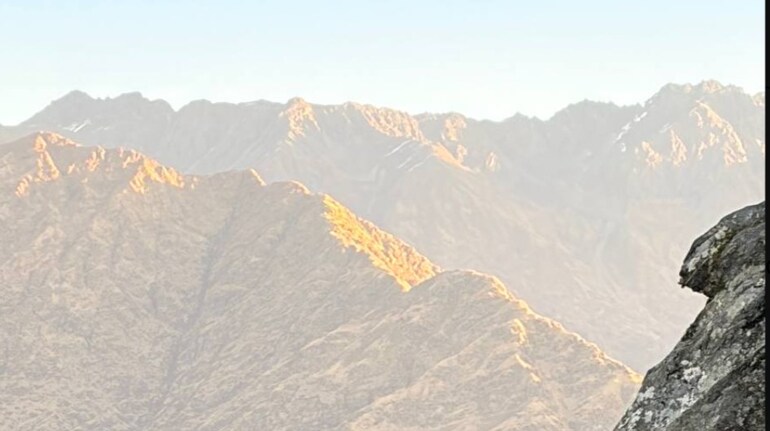
For the first time in nearly four decades of scientific observations, the high-altitude Tungnath region has remained snow-free through January, triggering concern among alpine and climate scientists studying the Garhwal Himalayas. Researchers say the absence of winter snowfall is a clear climatic anomaly with wide-ranging ecological consequences.
1. Impact on medicinal plants
Scientists warn that the lack of snow is already affecting key Himalayan medicinal species such as jatamansi, kutki and atees, according to a report in TOI. These plants rely on sustained snow cover for soil moisture, seed dormancy and proper germination. Delayed or failed growth could threaten their long-term survival.
2. Precipitation cycle disturbed
Researchers note a prolonged deficit in rainfall and snowfall, indicating a shift in the region’s natural precipitation pattern. The snow-free winter points to altered climate behaviour at high altitudes.
3. Threat to the alpine ecosystem
At around 12,000 feet, Tungnath supports rare and endemic plant and animal species. Scientists from the High Altitude Plant Physiology Research Centre say dry air and parched soil are destabilising this fragile alpine ecosystem, the TOI report mentioned.
4. Severe impact in the Tungnath region
Snow normally acts as a natural thermal blanket, insulating soil, protecting roots and supporting early plant growth. With only frost recorded so far this January, scientists say this is the first such instance since systematic snowfall monitoring began in 1985, underscoring the seriousness of the change.
Discover the latest Business News, Sensex, and Nifty updates. Obtain Personal Finance insights, tax queries, and expert opinions on Moneycontrol or download the Moneycontrol App to stay updated!
Find the best of Al News in one place, specially curated for you every weekend.
Stay on top of the latest tech trends and biggest startup news.