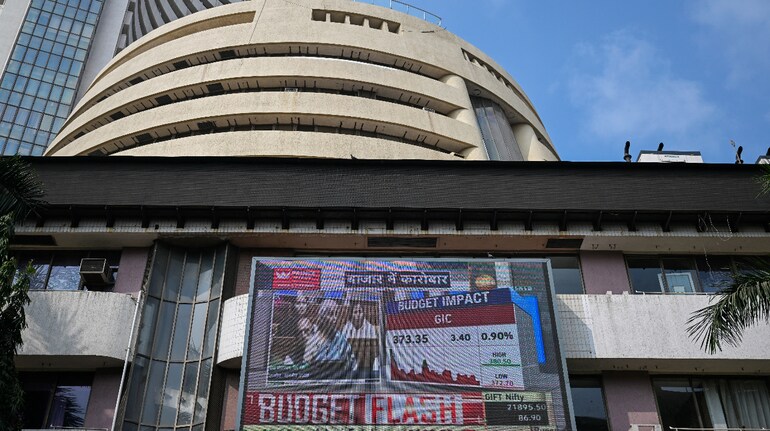
Union Budget 2025: In less than four weeks, Finance Minister Nirmala Sitharaman will present the Union Budget 2025 in the Lok Sabha. Tentatively scheduled for February 1, this will mark Sitharaman’s eighth budget presentation, where she will aim to balance populist schemes with fiscal prudence.
The Union Budget, regarded as the roadmap or blueprint for policy formulation for the upcoming fiscal year, is divided into several sections. Once the Finance Minister concludes her speech in Parliament, the official documents related to the Union Budget are uploaded to the government’s official websites. These documents provide insights into the nuances of the budget and offer an overall picture of the Indian economy.
So, what are these documents, and how should you approach reading the Union Budget? Here’s a handy cheatsheet for a better understanding of India’s most important financial event.
What are the key documents that are part of the Union Budget?In addition to the Finance Minister’s Budget speech, the February 1 presentation includes several essential documents, such as:
The Finance Minister’s Budget speech is the most searched topic on Budget Day. People are eager to know what the Finance Minister said, the theme of the Budget, and the duration of the speech. Although the speech itself constitutes only a small part of the entire Budget presentation, it remains one of its most popular aspects.
The speech is divided into two parts – Part A and Part B.Part A highlights government initiatives for various sections of society. It includes details about fiscal deficit targets, outlays for welfare schemes, and divestment goals set by the government.
Part B focuses on taxation. This segment covers direct taxes, such as income tax, as well as other taxes like capital gains tax, corporate tax, and excise duties. However, it does not include any announcements regarding GST. Any adjustments to income tax rates, capital tax, corporate tax, or excise duties are announced in Part B of the speech.
Expenditure and Revenue BudgetAs the names suggest, these segments of the speech outline the various sources of expenditure and revenue for the Government of India. The Revenue Budget highlights the range of expected revenue from various sources, including the taxation ecosystem of direct and indirect taxes. Meanwhile, the Expenditure Budget details the planned expenses of the Centre.
This includes allocations for various welfare schemes, such as MGNREGA, healthcare, and major acquisitions in areas like defense and infrastructure, among others.
Finance BillIn parliamentary parlance, the Union Budget is classified as a Money Bill. This means it requires discussion, debate, and final approval from both Houses – the Lok Sabha and the Rajya Sabha. Once passed, the legislation is referred to as the Finance Bill. This step signifies that all amendments proposed in the Finance Minister’s speech have been approved. It also grants legal validity to the Union Budget, formalizing its transition from a Money Bill to the Finance Bill.
Budget at GlanceThis is another critical component of the Union Budget presentation. The "Budget at a Glance" provides a condensed overview of the key objectives of financial planning for the upcoming fiscal year. This document includes details on non-tax revenue, tax revenue, administrative expenses, and government capital. It also outlines the levels of fiscal deficit and growth targets for the upcoming year.
Additionally, the document provides information on various subsidy schemes, focusing on the "big 3Fs" – fuel, fertilizer, and food. It also includes details about various schemes funded either solely by the Centre or jointly with state governments.
Request for GrantsThis component of the Union Budget provides details about the estimated expenditure from the Consolidated Fund. As part of the annual financial statement, these Requests for Grants require approval through a vote in the Lower House of Parliament. They also include grants to both the Central and state governments in the form of advances and loans. The demands for grants feature both capital and revenue expenditures.
Discover the latest Business News, Sensex, and Nifty updates. Obtain Personal Finance insights, tax queries, and expert opinions on Moneycontrol or download the Moneycontrol App to stay updated!
Find the best of Al News in one place, specially curated for you every weekend.
Stay on top of the latest tech trends and biggest startup news.