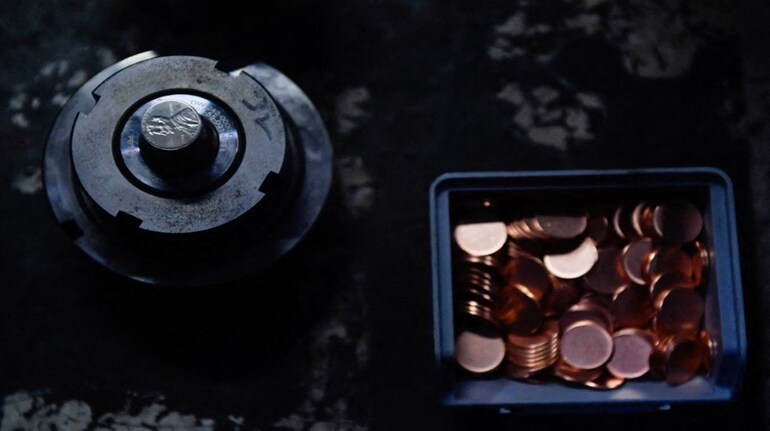
A coin launch in Philadelphia this month, staged with fife-and-drum pageantry and re-enactors dressed as founding-era icons, might have passed as a quiet event for collectors. Instead, it has become a snapshot of a larger political struggle over national memory, as new U.S. Mint designs marking America’s 250th anniversary steer away from themes like abolition, women’s suffrage and the civil rights movement.
The designs that made it, and the designs that didn’t
The Treasury Department’s new lineup includes a dime, a half-dollar and five quarters that are both legal tender and collectibles. The quarters, in particular, reflect a sharp turn from recommendations made by the Citizens Coinage Advisory Committee, a bipartisan body created by Congress to review and advise on coin designs.
The committee had backed proposals that would explicitly depict major chapters of American democracy beyond the founding: Frederick Douglass paired with shackled and unshackled hands to mark abolition, a suffragist carrying a “Votes for Women” flag, and a child Ruby Bridges walking to desegregate a New Orleans school in 1960.
Instead, the chosen designs lean heavily into a familiar narrative of Pilgrims and founding fathers. The final selections include imagery tied to the Mayflower Compact and the Revolutionary era, along with profiles of figures such as George Washington, Thomas Jefferson, James Madison and Abraham Lincoln. One design referencing the Gettysburg Address includes interlocking hands, but without the slavery-linked imagery the committee had proposed.
Who decides, and why it matters
Under existing law, the Treasury secretary has final authority over U.S. coin designs. In this case, Treasury Secretary Scott Bessent selected designs that bypassed the advisory committee’s recommended set for the quarters, frustrating some members who say the process was effectively sidelined.
A longtime committee member described the unveiling as a break from precedent, arguing that the Mint announced designs the committee had not reviewed, despite the guardrails Congress intended when it set up citizen oversight.
The Mint’s acting leadership has emphasized that the Treasury secretary’s authority is decisive, even when it diverges from advisory input.
A legal mandate, and a contested interpretation
The dispute sits within the framework of the Circulating Collectible Coin Redesign Act of 2020, signed into law in January 2021. It authorized special coin designs for the 250th anniversary and specified that one of the quarter designs should be emblematic of women’s contributions to key American milestones.
The Mint has argued that the Mayflower-themed quarter meets that requirement by pointing to the role women played in the survival of the Plymouth colony through caregiving, food preservation and education. Critics say that justification feels thin, especially given the rejection of designs centred on women’s political rights.
The Trump coin controversy waiting in the wings
Hovering over the coin debate is another, more openly divisive proposal: a plan to feature President Trump on a dollar coin tied to the semiquincentennial programme. That idea has drawn objections from Democrats who argue it violates long-standing American tradition against depicting living or sitting presidents on currency.
Opponents point to the country’s founding-era resistance to monarchic symbolism, including George Washington’s reported discomfort with placing his image on coins. Senate Democrats have pushed legislation that would bar the likeness of a living or sitting president on U.S. currency.
A Mint spokeswoman, however, has said the semiquincentennial authority does not prohibit living persons from appearing on redesigned coin obverses, and the administration’s allies have framed the pushback as political overreach.
A small ceremony, a bigger culture war
At the Philadelphia unveiling, about 100 guests watched the designs appear on a screen, while the broader debate over what was left out played out elsewhere. Anyone looking for direct references to civil rights or suffrage could find them only in exhibits and gift-shop items inside the same venue.
In that contrast lies the point. A coin programme meant to mark 250 years of national history has become, in practice, a fight over which parts of that history are treated as central and which are treated as optional.
Discover the latest Business News, Sensex, and Nifty updates. Obtain Personal Finance insights, tax queries, and expert opinions on Moneycontrol or download the Moneycontrol App to stay updated!
Find the best of Al News in one place, specially curated for you every weekend.
Stay on top of the latest tech trends and biggest startup news.