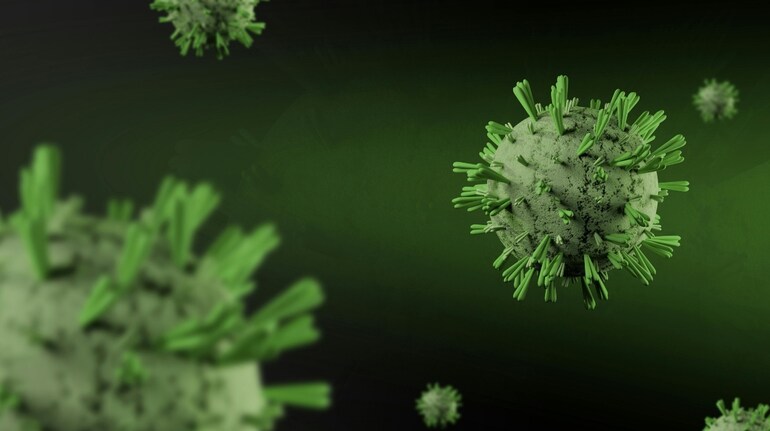
Most of us have wondered this at some point. Two people catch the same cold. One shrugs it off with a few sniffles. The other is miserable for days.
New research suggests the difference may start right inside the nose.
Ellen Foxman, a researcher at the Yale School of Medicine, has been studying why rhinovirus — the most common cause of the common cold — triggers only mild symptoms in some people but leads to severe illness in others, particularly those with asthma.
The answer, she and her colleagues found, may come down to how quickly nasal cells launch their first line of defence, CNN reported.
The nose’s early warning system
When a virus enters the body, cells in the nose can release proteins called interferons. These proteins act as alarm signals, helping limit how far the virus spreads.
Foxman’s team grew human nasal cells in the lab, allowing them to develop into tissue that closely resembles the lining of the nose. They then infected those cells with rhinovirus and watched what happened.
If the interferon response switched on quickly, the infection remained tightly contained. Fewer than 2 percent of the nasal cells became infected. In a real person, that might translate into mild symptoms — or even none at all.
But when researchers blocked or delayed that early interferon response, the results were dramatically different. Nearly 30 percent of cells became infected. The tissue produced more mucus and showed signs of inflammation — the kind associated with a severe cold.
“It’s really the body’s response that determines the disease the virus causes,” Foxman said.
Why some people get hit harder
The study helps explain why the same virus can behave so differently in different people. A fast, strong immune response in the nose may stop the virus before it spreads widely. A weaker or delayed response may allow the virus to multiply, leading to heavier symptoms.
That’s particularly important for people with asthma, since rhinovirus infections are a common trigger for asthma attacks.
Still, many questions remain. Researchers don’t yet fully understand why some people’s interferon response is weaker. It could involve genetics, underlying conditions, prior exposure to similar viruses, or even interactions with bacteria in the airways.
Dan Barouch, a virologist at Beth Israel Deaconess Medical Center who was not involved in the study, said the findings are informative but need confirmation in real-life infections.
People likely vary in their natural interferon levels, he said. Those with a stronger initial response may recover quickly, while others may experience more widespread infection.
More than just one factor
Other experts caution that interferon isn’t the whole story.
Larry Anderson of Emory University noted that many viruses — including influenza and respiratory syncytial virus — show similar patterns. Some people develop severe illness; others barely notice infection.
Genetic differences, chronic illnesses, prior immunity and even environmental factors can all influence outcomes.
The Yale study offers an important clue about what happens in the earliest stages of infection — before symptoms even begin.
In the future, understanding these early immune responses could help scientists design treatments that limit inflammation or reduce mucus production. But for now, the research highlights something simple and fascinating: the common cold may begin with what happens in the first few hours inside your nose.
And that tiny difference in timing could shape how sick you feel days later.
Discover the latest Business News, Sensex, and Nifty updates. Obtain Personal Finance insights, tax queries, and expert opinions on Moneycontrol or download the Moneycontrol App to stay updated!
Find the best of Al News in one place, specially curated for you every weekend.
Stay on top of the latest tech trends and biggest startup news.