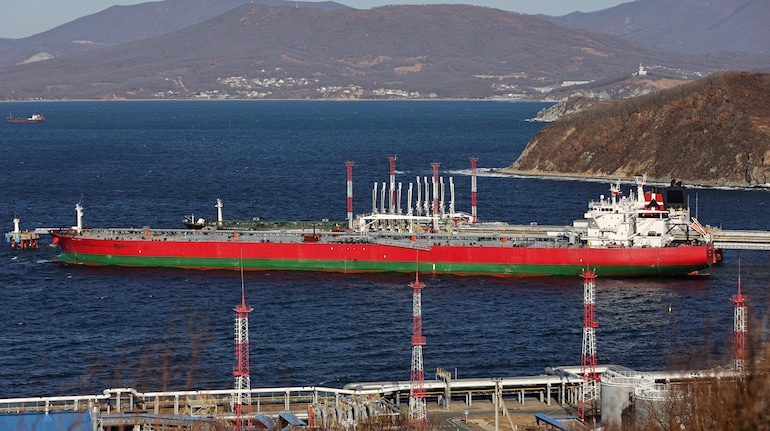

The U.S. has temporarily eased certain sanctions on Russian oil to allow purchases by India, arguing that the move will help stabilise global oil markets and prevent sharp price spikes triggered by the ongoing conflict involving Iran.
Senior US officials, on Sunday, defended the Donald Trump administration's decision, saying the waiver would allow millions of barrels of Russian crude currently stuck on ships to be redirected to Indian refineries, easing supply concerns that have pushed fuel prices higher.
Speaking on NBC’s Meet the Press, US Ambassador to the United Nations Mike Waltz said Washington had reached out directly to Indian authorities to encourage the diversion of oil cargoes.
"India has been a great partner through this. I did call up the Indians, as did Treasury Secretary Scott Bessent, and said there’s a whole bunch of oil floating waiting to unload at Chinese refineries," Waltz said.
"Instead of having it wait six weeks to unload there, let’s pull that oil forward, have it land in Indian refineries and tamp this fear of shortage of oil, tamp the price spikes and the concerns we see in the marketplace," he added.
According to Waltz, the waiver is a 30-day pause designed to allow the oil shipments already at sea to reach Indian refineries and prevent disruptions in global supply chains.
US Energy Secretary Chris Wright also defended the move, saying it was intended to calm markets rattled by the conflict. "The waiver can help tamp the fear of shortage of oil, tamp the price spikes and the concerns we see in the marketplace," Wright said in an interview on CNN’s State of the Union.
The conflict in West Asia has already begun affecting global energy markets, with fuel prices rising sharply in the U.S. Data from the American Automobile Association (AAA) showed the national average price of regular gasoline reached $3.32 per gallon as of Friday, an 11% increase from the previous week and the highest level since September 2024.
Diesel prices rose even more sharply to $4.33 per gallon, up 15% week-on-week and the highest since November 2023.
Despite the surge, Wright said the increase was driven more by market anxiety than by an actual shortage of oil or natural gas. “There is no shortage of oil or natural gas. The price increases are based on fear and perception that the Iran operation will be a drawn-out affair,” he said.
Trump has also sought to reassure Americans that the spike in fuel prices will be temporary. In a recent interview with Reuters, he predicted gasoline prices would “drop very rapidly” once the conflict subsides and said the war would likely last weeks rather than months.
The rise in energy prices comes at a sensitive time for the US economy, which unexpectedly lost 92,000 jobs in February, raising fresh concerns about economic momentum.
Republican Senator John Kennedy blamed speculators for the rise in oil prices, accusing traders of driving up costs in anticipation of supply disruptions.
Political analysts warn that a sustained rise in fuel prices could become a political challenge for Republicans ahead of the US midterm elections in November, when control of Congress will be contested.
However, the administration has argued that allowing additional Russian crude to flow to India will help ease supply constraints and stabilise global oil markets while the conflict continues.
(With inputs from agencies)Discover the latest Business News, Sensex, and Nifty updates. Obtain Personal Finance insights, tax queries, and expert opinions on Moneycontrol or download the Moneycontrol App to stay updated!
Find the best of Al News in one place, specially curated for you every weekend.
Stay on top of the latest tech trends and biggest startup news.