






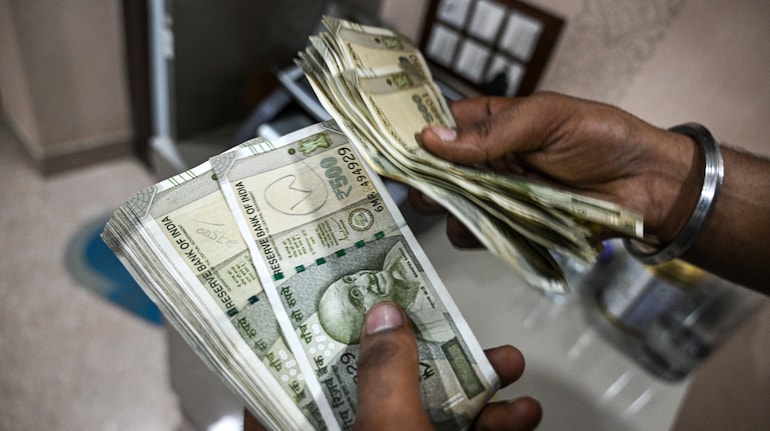
Nepal is preparing to officially permit the circulation of Indian currency notes above the ₹100 denomination, nearly a decade after such notes were banned, a move expected to significantly ease cross-border travel, trade, and remittances. The Nepal Rastra Bank (NRB) is in the final stages of issuing an official notice following a key regulatory amendment by the Reserve Bank of India (RBI).
“We are in the final stages. We are preparing to publish the notice in the Nepal Gazette, and will then issue circulars to banks and financial institutions about the new rule,” NRB spokesperson Guru Prasad Poudel said, adding that the official date is yet to be confirmed but the process is “in the final stage”.
The decision follows an amendment by the RBI to its Foreign Exchange Management (Export and Import of Currency) Regulations on November 28, published in India’s official Gazette on December 2, 2025. Under the revised rules, individuals may carry Indian currency notes of any amount in denominations up to ₹100 to Nepal and back. In addition, they are allowed to transport notes above ₹100 up to a total value of ₹25,000 in either direction.
Nepal had tightened restrictions on high-denomination Indian currency after India’s 2016 demonetisation, citing concerns over counterfeit currency and security risks. The ban forced travellers to rely on low-denomination notes, often leading to inconvenience, detentions, and fines for inadvertent violations.
Officials and industry stakeholders say lifting the restriction will benefit Nepali migrant workers in India, students, pilgrims, medical visitor,s and tourists from both countries. The move is also expected to boost Nepal’s tourism and hospitality sector, particularly in border towns, casinos, and pilgrimage routes that depend heavily on Indian visitors.
“This was our longstanding request, and India responded positively,” Poudel said. “Large numbers of Nepalis travel to India for various purposes, and the currency restrictions have created difficulties for a long time, especially for migrant workers who earn in India.”
While QR-code payments introduced in March 2024 have eased transactions in urban areas, tourism executives say unreliable connectivity in remote regions makes cash essential, underlining the significance of the policy shift for cross-border mobility and economic activity.
Discover the latest Business News, Sensex, and Nifty updates. Obtain Personal Finance insights, tax queries, and expert opinions on Moneycontrol or download the Moneycontrol App to stay updated!
Find the best of Al News in one place, specially curated for you every weekend.
Stay on top of the latest tech trends and biggest startup news.




