







As the war involving Iran, the United States, and Israel entered its tenth day, the conflict has begun sending shockwaves through global energy markets. Oil prices have surged past $100 per barrel, the first time they have crossed that level since the Russia’s invasion of Ukraine.
The spike follows attacks on oil infrastructure in the Gulf and a near halt in shipping through the Strait of Hormuz, through which roughly 20 percent of the world’s crude oil and gas supplies normally pass.
Despite the sharp rise in prices, Donald Trump downplayed the surge, arguing that the economic impact would be temporary.
“Short term oil prices, which will drop rapidly when the destruction of the Iran nuclear threat is over, is a very small price to pay for USA, and world, safety and peace,” he wrote on social media Sunday evening. “Only fools would think differently!”
With analysts warning that crude prices could rise to $150 per barrel if disruptions persist, countries around the world are scrambling to prepare for prolonged volatility.
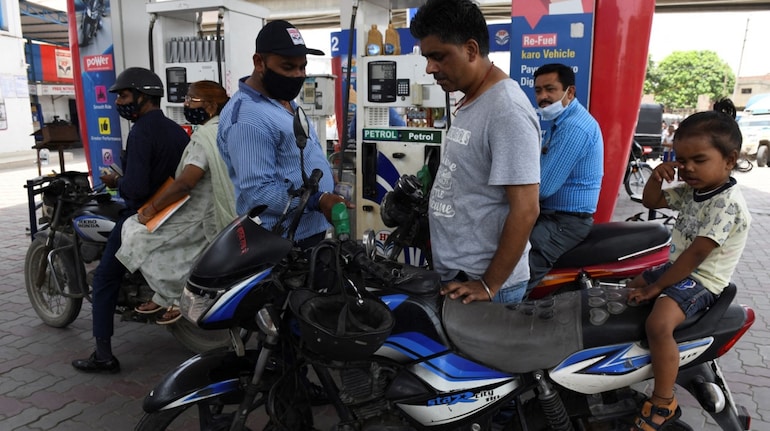
India
India has begun securing crude oil supplies through routes that bypass the Strait of Hormuz.
Petroleum Minister Hardeep Singh Puri said energy imports remain stable.
“Energy imports into the country are in full flow from all non-Hormuz routes. The energy requirements of our citizens are being fully met,” he wrote on social media.
“India is in a comfortable position. There is no room for anxiety or speculation in this regard,” he added.
Finance Minister Nirmala Sitharaman also told Parliament that inflation risks remain manageable because domestic price levels are near the lower end of the Reserve Bank of India tolerance band.
China
China, which imports about 57 percent of its crude oil from West Asia, has instructed refiners to prioritise domestic supply.
Authorities have asked major refineries to suspend exports of diesel and gasoline and attempt to cancel previously arranged shipments. The directive does not apply to jet fuel for international flights or supplies destined for Hong Kong and Macau.
Japan
Highly dependent on Middle Eastern oil, Japan is preparing contingency plans.
The country imports around 95 percent of its crude oil from West Asia and roughly 70 percent travels through the Strait of Hormuz. According to Reuters, authorities have begun preparing to release national oil reserves.
Opposition lawmaker Akira Nagatsuma said the government has instructed oil storage facilities to prepare for a possible release if supply disruptions intensify.
South Korea
South Korea is also implementing emergency measures to protect consumers.
President Lee Jae Myung said the government would cap domestic fuel prices for the first time in nearly 30 years. Authorities are also exploring alternative supply routes and may expand a market stabilisation programme worth 100 trillion won, or about $67 billion.
Bangladesh
In Bangladesh, authorities have introduced sweeping measures to conserve energy. Universities across the country have been closed temporarily and fuel purchases have been rationed.
Motorcyclists are now limited to a maximum of two litres per tank. The Bangladesh Petroleum Corporation said the move aims to prevent panic buying.
“Consumers tend to buy more than they usually purchase” during times of crisis, the agency said.
The government has also asked foreign curriculum schools and private coaching centres to suspend operations to reduce electricity consumption.
Pakistan
Neighbouring Pakistan is considering work-from-home arrangements and online classes to reduce commuting and fuel use.
According to Finance Minister Muhammad Aurangzeb, the country currently holds about 25 days of petrol and diesel stocks and roughly 10 days of crude oil reserves. Panic buying has already begun at petrol stations as prices climb.
Vietnam
In Vietnam, authorities are planning to eliminate tariffs on fuel imports to stabilise the domestic market.
The finance ministry said a draft decree would reduce import taxes on some petroleum products to zero. Officials warned that continued disruption could make alternative oil supplies harder to secure.
“If the conflict continues and the blockade of the Strait of Hormuz persists, alternative supplies on the international market will become scarce and risk driving prices up,” the ministry said.
Consumers are already feeling the impact. “The price is sky-high. My salary is still the same but the price of the gas is significantly going up,” said Le Quang, a teacher in Ho Chi Minh City, speaking to Agence France-Presse. “I think I will need to walk to work.”
Indonesia
Indonesia plans to increase fuel subsidies to cushion the economic impact.
The government has allocated 381.3 trillion rupiah, or about $22.5 billion, to subsidise fuel and compensate state energy companies such as Pertamina and electricity provider PLN.
Philippines
The Philippines has introduced a four day workweek across government departments to reduce fuel consumption.
President Ferdinand Marcos Jr. has also ordered government agencies to cut fuel and electricity use by 10 to 20 percent, while authorities have warned against hoarding as queues form at petrol stations.
Thailand
Thailand says it has secured roughly two months of oil supplies but is suspending exports to conserve reserves.
Authorities have also capped the price of diesel at just under 30 baht per litre for a 15 day period to limit the impact on consumers.
Myanmar
In Myanmar, the military government has begun rationing fuel.
Private vehicles are now allowed on roads only on alternate days based on licence plate numbers. Reporters in Yangon have observed long queues at petrol stations and limits on the amount of fuel sold to drivers.
G7 Countries
As oil prices crossed the $100 mark, finance ministers from the Group of Seven met to discuss releasing emergency oil reserves.
Several countries, including the United States, have reportedly supported the move. The reserves are held collectively by the International Energy Agency and could be deployed to stabilise global energy markets if the crisis deepens.
With the Strait of Hormuz effectively disrupted and attacks continuing across the Gulf, governments around the world are bracing for a prolonged period of uncertainty in global oil supplies.
Discover the latest Business News, Sensex, and Nifty updates. Obtain Personal Finance insights, tax queries, and expert opinions on Moneycontrol or download the Moneycontrol App to stay updated!
Find the best of Al News in one place, specially curated for you every weekend.
Stay on top of the latest tech trends and biggest startup news.





