
The escalating conflict involving Iran and the disruption of shipping through the Strait of Hormuz are beginning to ripple across India’s economy. With crude oil and gas prices surging sharply since the start of the war, several sectors in India are already facing rising costs and supply pressures.
From chemical manufacturers and textile processors to mining companies and exporters of mangoes and diamonds, the impact of the energy shock is spreading across multiple industries. The Strait of Hormuz is a critical route for global energy shipments, and the near shutdown of commercial traffic through the waterway has triggered shortages of fuel and raw materials that Indian industries rely on.
Chemical and textile industries face sharp cost increases
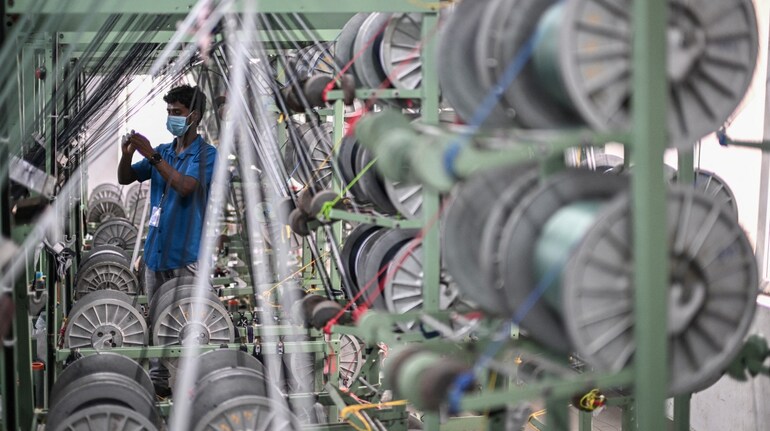
The chemical and textile clusters around Ahmedabad are among the first to feel the impact. According to The Times of India, companies in the region are struggling with rising input costs and shrinking supplies of natural gas.
Industry representatives told the newspaper that chemical manufacturers are currently operating with only about 40 percent of their gas requirements, forcing companies to reduce production.
Prices of several key raw materials have jumped sharply. The cost of chemicals and other inputs has risen by 30 to 40 percent, increasing pressure on manufacturers and consumers alike.
Ankit Patel, former president of the Vatva Industry Association, described the situation while speaking to The Times of India.
“We have seen a huge price rise in various products like coal, sulphuric acid, and phthalic anhydride. This has pushed up overall production costs. We are able to pass on some of the impact to our dyes buyers, but margins have shrunk significantly,” Patel said.
Colour chemicals used by textile processors have also become more expensive as supply chains tighten.
Ajay Joshi, a chemical sector expert, told The Indian Express that the disruption has triggered a broader shift in global chemical prices.
“The West Asia conflict has set off a structural repricing across global chemical markets. As many as 73 commodities spiked in a single week: some by over 60 per cent as Hormuz disruptions choked the naphtha feedstock flows that Asian steam crackers depend on for 60–80 per cent of their supply,” Joshi said.
He added that India’s dependence on imports from the region makes the country particularly vulnerable.
“Structurally import-dependent on West Asia for crude oil (50 per cent plus), LNG (50–55 per cent), ethylene glycol, polymers, methanol, and fertilisers, India faces a compounding cost shock, worsened by the Rupee already at Rs 92 to the US dollar. The market has not fully priced a prolonged disruption to shipping routes along the Strait of Hormuz,” Joshi said.
Fertiliser sector braces for supply cuts
The gas shortages are also beginning to affect fertiliser production. Some manufacturers, including Gujarat Narmada Valley Fertilizers, have already announced planned production cuts.
The timing is particularly sensitive as farmers prepare for the upcoming cereal planting season. India imports roughly one third of its fertiliser requirements, making supply disruptions a serious concern.
Government officials have said they are working to ensure adequate supplies and exploring ways to diversify fertiliser imports beyond West Asia.
Mining costs climb as fuel prices rise
The mining sector is another area where the effects of the oil price surge are becoming visible.
According to The Indian Express, a senior industry executive said rising fuel prices are pushing up production costs for mining companies.
Much of the equipment used in mining operations depends heavily on fuel. Excavators, drilling machines and transport vehicles used to move ore all consume significant amounts of diesel. As fuel costs increase, the expense of extracting and transporting minerals also rises.
Mango exports face uncertainty
Even India’s agricultural exports are beginning to feel the pressure from the conflict.
According to News18, mango growers and exporters in Maharashtra fear that prolonged disruption could affect shipments of the famous Alphonso mangoes.
Exports from the Konkan region typically begin between March 15 and March 20 each year. Maharashtra accounts for 60 to 70 per cent of India’s mango exports, mainly from the districts of Ratnagiri, Sindhudurg and Raigad.
These districts produce about 1.7 lakh metric tonnes of Alphonso mangoes annually, of which 20,000 to 25,000 tonnes are exported. Gulf countries are among the largest buyers, with the United Arab Emirates being the top importer. The fruit is also shipped to the United States, Japan, South Korea and several European countries.
Exporters warn that delays in shipping routes could disrupt this seasonal trade.
Gems, jewellery and steel sectors affected
India’s gems and jewellery industry is also facing difficulties. According to reports, flight cancellations and airspace restrictions linked to the conflict have affected exports and the import of rough diamonds from the UAE.
Meanwhile, global investment bank CLSA has warned that the war could push up prices of metals such as aluminium and steel.
In a report cited by The Times of India, CLSA said the conflict has “accentuated impact on energy-linked commodities and transportation costs, driving up the cost curve and tightening demand-supply balance.”
West Asia accounts for about 9 percent of global aluminium production capacity, with around 6.9 million tonnes of smelting capacity and 4.5 million tonnes of alumina refining capacity in the region.
CLSA said one aluminium smelter producing about 0.6 million tonnes has already halted production.
The firm warned that restarting a smelter is a complex process.
“Shutdown and restart of an aluminium smelter is a long and expensive process,” the report said.
However, some Indian companies could benefit from higher global commodity prices.
“Tata Steel is best placed to benefit in an improving steel spread scenario given its high iron ore integration,” CLSA said.
“Given its exposure to multiple commodities, such as zinc, aluminium and oil, Vedanta is well placed to benefit from the current commodities upcycle,” the report added.
Economic outlook and policy response
The surge in energy prices could also affect India’s broader economic outlook.
Soumya Kanti Ghosh, chief economist at State Bank of India, said that if oil prices average $120 per barrel in financial year 2026–27, inflation could rise to 4.8 percent, while economic growth may slow to 6.2 percent from the current estimate of 7 percent.
Meanwhile, the Reserve Bank of India has stepped in to stabilise financial markets. The central bank sold about $12 billion from its foreign exchange reserves to support the rupee after it fell to a record low below 92 against the US dollar.
The RBI has also bought bonds in secondary markets and announced plans to purchase another ₹1 trillion worth of bonds to maintain liquidity.
At the same time, the government has introduced contingency measures at ports to handle export shipments bound for West Asia that may face delays.
Kotak Institutional Equities said in a note that the currency could remain under pressure.
“Risk-off sentiments will keep the Indian rupee under pressure, while the RBI intervenes judiciously, balancing pressures on FX reserves and the need to maintain banking system liquidity,” the brokerage said.
As the Iran conflict continues and global energy markets remain volatile, industries across India are likely to face sustained cost pressures and supply disruptions in the months ahead.
Discover the latest Business News, Sensex, and Nifty updates. Obtain Personal Finance insights, tax queries, and expert opinions on Moneycontrol or download the Moneycontrol App to stay updated!
Find the best of Al News in one place, specially curated for you every weekend.
Stay on top of the latest tech trends and biggest startup news.