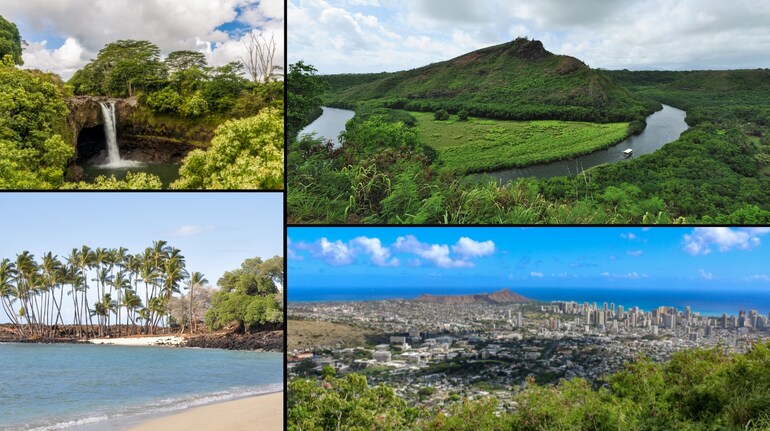
Hawaii’s postcard-perfect waterfalls, black-sand beaches, and volcanic valleys will soon come with an added cost for visitors. Beginning January 2026, the state will roll out a new entry and parking fee system across several of its most visited parks, aiming to protect delicate ecosystems and improve the visitor experience amid booming tourist numbers.
Why Hawaii Is Introducing New Fees
The Hawaii Department of Land and Natural Resources (DLNR) has confirmed that non-residents and commercial vehicles will be charged new fees as part of a broader move to enhance visitor facilities, improve traffic flow, and fund long-term conservation.
With millions of tourists arriving each year, park authorities say the added revenue is essential to maintain infrastructure, safeguard fragile landscapes, and ensure that the islands’ natural treasures don’t suffer from overuse.
Which Parks Will Start Charging Fees
Four major state parks will implement the new entry and parking fees starting January 2026:
Wailuku River State Park (Hawaii Island)
Kekaha Kai State Park (Hawaii Island)
Wailua River State Park (Kauai)
Puu Ualakaa State Wayside (Oahu)
The first three parks will charge $5 per non-resident visitor (age 3+) and $10 per vehicle for parking.
At Puu Ualakaa State Wayside, only a $7 parking fee will apply, with no per-person entry charge.
The fee structure is designed to encourage responsible tourism and ensure visitors meaningfully contribute to the upkeep of Hawaii’s most scenic locations.
More Parks Likely to Join the List
The state is also evaluating other high-footfall destinations for inclusion in the system. Popular spots such as Kua Bay, Rainbow Falls, and Kealakekua Bay State Historical Park are currently under review.
If approved, these parks will join around 10 Hawaii sites that already charge visitors—such as Diamond Head, Waimea Canyon, Koke’e, and Waianapanapa State Park—where standard non-resident fees hover around $5 per person and $10 per vehicle.
How Hawaii Compares to Other U.S. Destinations
Hawaii’s move reflects a broader U.S. trend where national parks have begun revising fee structures. Yellowstone, the Grand Canyon, and several others now charge international visitors significantly higher fees—sometimes up to $100 per person—to cope with rising tourist demand and increasing conservation needs.
What the Revenue Will Be Used For
Officials say the new fees will directly support park improvements, including:
The goal is to provide a better and more sustainable visitor experience, especially during Hawaii’s peak tourism seasons.
Travellers Can Expect Better Facilities — and a Cleaner Hawaii
While some tourists may worry about rising travel costs, Hawaii’s government stresses that the fees will help preserve the islands’ world-famous beauty. With clearer signage, smoother traffic flow, well-maintained facilities, and protected nature trails, visitors will ultimately enjoy a more seamless and enriching experience.
A Step Toward Sustainable Tourism
As Hawaii continues to welcome millions annually, the new policy underscores the state’s commitment to responsible tourism, environmental stewardship, and the long-term protection of its waterfalls, rainforests, lava fields, and coastal sanctuaries.
By asking visitors to contribute directly to conservation efforts, Hawaii is taking a firm step toward ensuring that future generations can enjoy the islands’ natural wonders just as much as today’s travellers.

Discover the latest Business News, Sensex, and Nifty updates. Obtain Personal Finance insights, tax queries, and expert opinions on Moneycontrol or download the Moneycontrol App to stay updated!
Find the best of Al News in one place, specially curated for you every weekend.
Stay on top of the latest tech trends and biggest startup news.