- My Alerts
- Go Ad-Free
-
My Account









11 Indo-Islamic architecture gems so beautiful, you’ll forget the Taj Mahal
Discover 11 Indo-Islamic architecture marvels you can visit in India beyond the Taj Mahal—from Gol Gumbaz and Charminar to Humayun’s Tomb and Bidar Fort. Perfect travel list for history and design lovers.




1/12
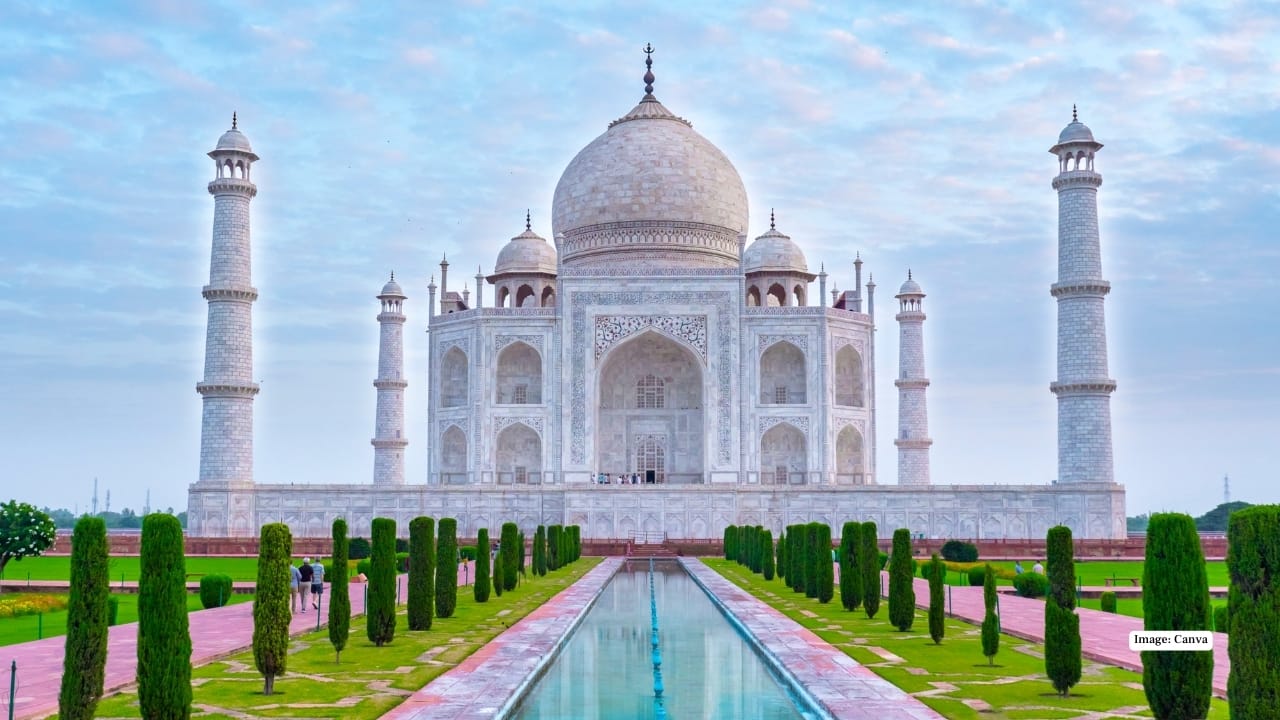
India’s rich past stretches far beyond a single white-marble mausoleum in Agra. For travellers who love wandering through arched gateways, calligraphic walls, and quiet courtyards scented with frangipani, Indo-Islamic monuments offer an entire vocabulary of design. Shaped by centuries of exchange between Central Asian aesthetics and Indian building traditions, this style lives on in soaring minarets, carved jaalis, glazed tiles, and powerful fortifications. Here is a handpicked travel listicle on 11 Indo-Islamic architecture marvels you can visit in India—beyond the Taj Mahal. Add these to your itinerary for a deeper, less crowded encounter with history.
2/12
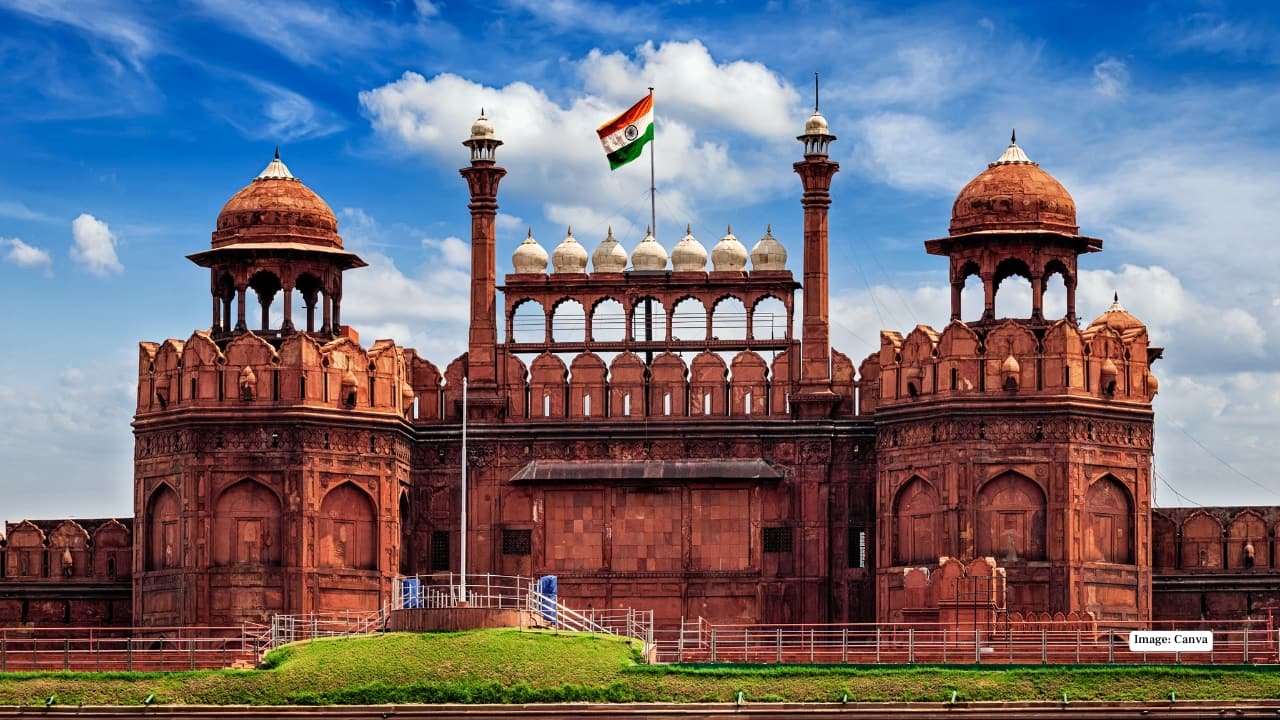
1. Red Fort, Delhi
Though primarily known for India’s Independence Day address, the Red Fort is also a living museum of Mughal planning. The Diwan-i-Khas, Moti Masjid, and arched pavilions reveal how Indo-Islamic design shaped ceremonial life. It is a reminder that the style served not only death and devotion but also celebration.
Travel tip: Stay for the evening sound-and-light show to see the architecture animated with narrative.
Though primarily known for India’s Independence Day address, the Red Fort is also a living museum of Mughal planning. The Diwan-i-Khas, Moti Masjid, and arched pavilions reveal how Indo-Islamic design shaped ceremonial life. It is a reminder that the style served not only death and devotion but also celebration.
Travel tip: Stay for the evening sound-and-light show to see the architecture animated with narrative.
3/12
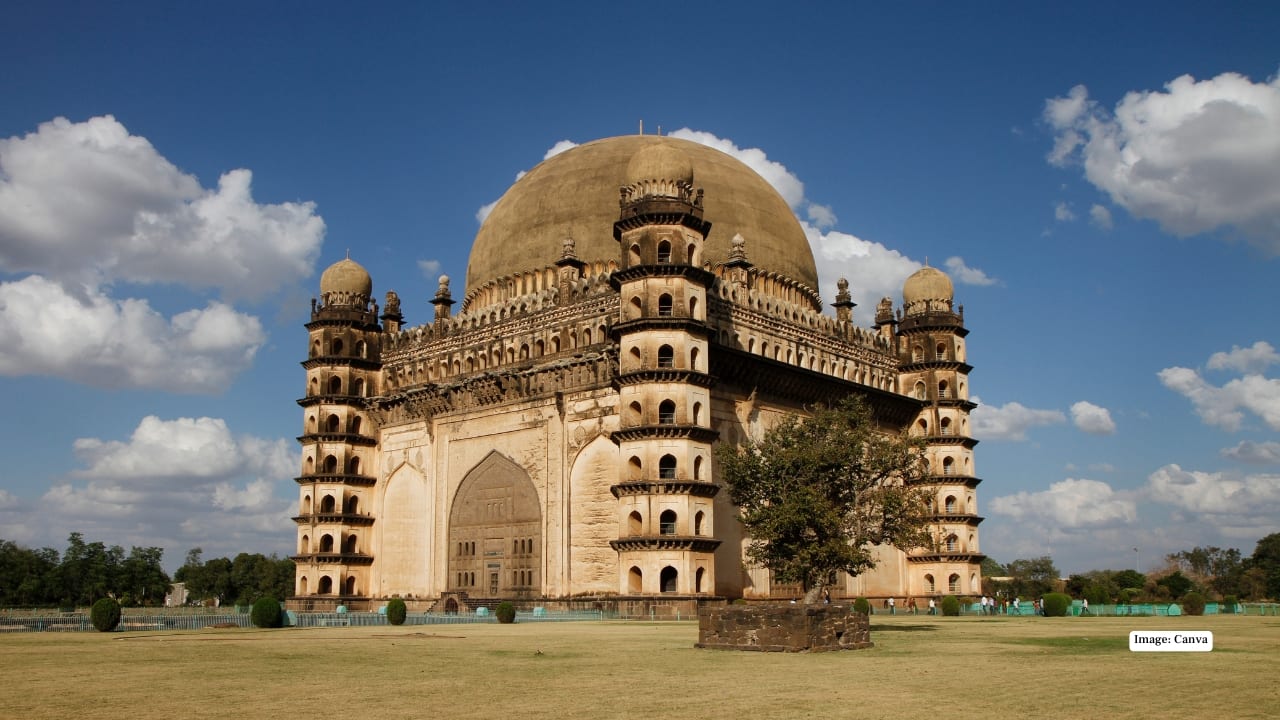
2. Gol Gumbaz, Vijayapura (Bijapur), Karnataka
The dome of Gol Gumbaz appears on the horizon like a second moon of stone. Built as the resting place of Sultan Mohammed Adil Shah, it is among the largest masonry domes in the world and the pride of the Deccan Sultanate legacy. Step into the whispering gallery and even the faintest murmur races around the curve of the ceiling, reminding you that this monument was engineered with both imagination and mathematics.
Travel tip: Clap once inside the gallery and hear the echo multiply—it’s the most playful lesson in heritage acoustics.
The dome of Gol Gumbaz appears on the horizon like a second moon of stone. Built as the resting place of Sultan Mohammed Adil Shah, it is among the largest masonry domes in the world and the pride of the Deccan Sultanate legacy. Step into the whispering gallery and even the faintest murmur races around the curve of the ceiling, reminding you that this monument was engineered with both imagination and mathematics.
Travel tip: Clap once inside the gallery and hear the echo multiply—it’s the most playful lesson in heritage acoustics.
4/12
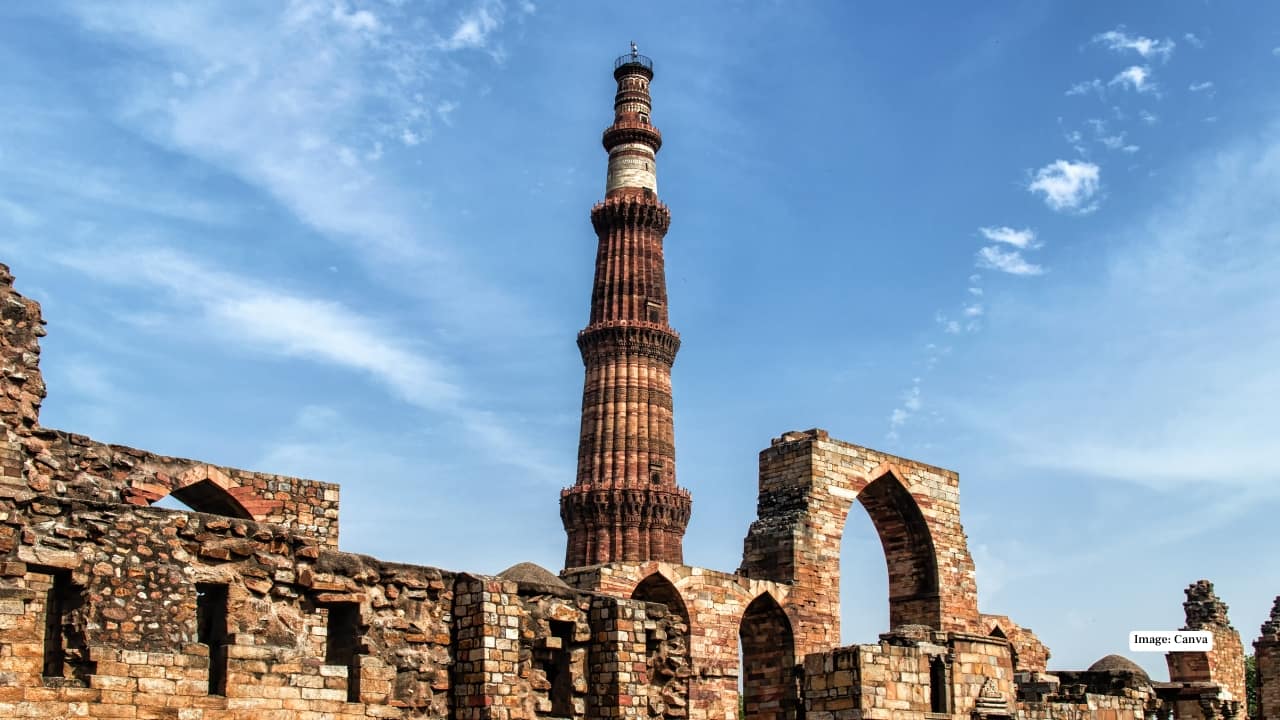
3. Qutb Minar and Complex, Delhi
Delhi’s skyline owes much of its drama to this ribbed tower of red sandstone. Rising from the 12th century, Qutb Minar blends Islamic calligraphy with stones repurposed by Indian artisans, giving the entire complex a layered personality. Around it lie the Quwwat-ul-Islam Mosque, Alai Minar, and several tombs, each illustrating how early Sultanate builders learned to speak in an Indian accent.
Travel tip: Look closely at the carved pillars and jaali fragments of the nearby mosque for some of the finest lattice work in the capital.
Delhi’s skyline owes much of its drama to this ribbed tower of red sandstone. Rising from the 12th century, Qutb Minar blends Islamic calligraphy with stones repurposed by Indian artisans, giving the entire complex a layered personality. Around it lie the Quwwat-ul-Islam Mosque, Alai Minar, and several tombs, each illustrating how early Sultanate builders learned to speak in an Indian accent.
Travel tip: Look closely at the carved pillars and jaali fragments of the nearby mosque for some of the finest lattice work in the capital.
5/12
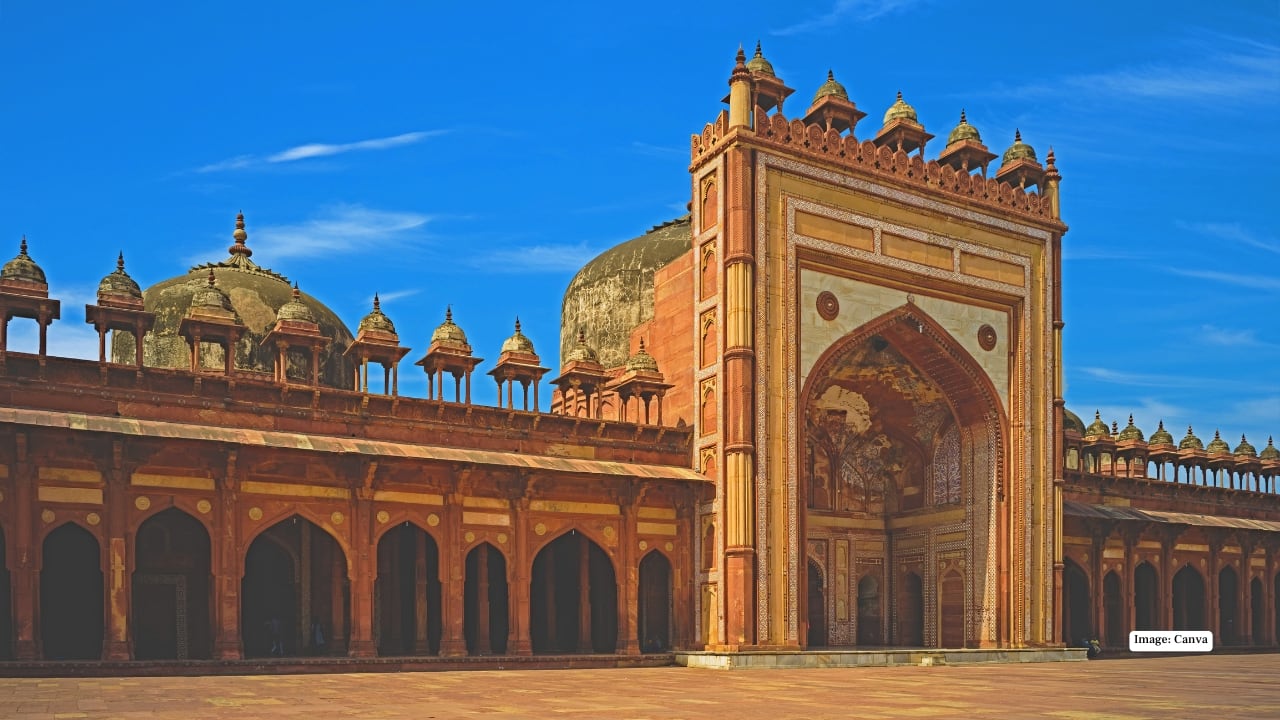
4. Jama Mosque, Fatehpur Sikri, Uttar Pradesh
Fatehpur Sikri feels like a paused dream of Emperor Akbar, and its Jama Mosque is the spiritual heart of that vision. The Buland Darwaza gateway leads to a courtyard where Persian symmetry meets Indian ornamentation. The shrine of Salim Chishti, set within the mosque precinct, glows with marble screens carved by local craftsmen.
Travel tip: Combine this visit with the royal enclosure next door to understand how faith and governance shared the same architectural stage.
Fatehpur Sikri feels like a paused dream of Emperor Akbar, and its Jama Mosque is the spiritual heart of that vision. The Buland Darwaza gateway leads to a courtyard where Persian symmetry meets Indian ornamentation. The shrine of Salim Chishti, set within the mosque precinct, glows with marble screens carved by local craftsmen.
Travel tip: Combine this visit with the royal enclosure next door to understand how faith and governance shared the same architectural stage.
6/12
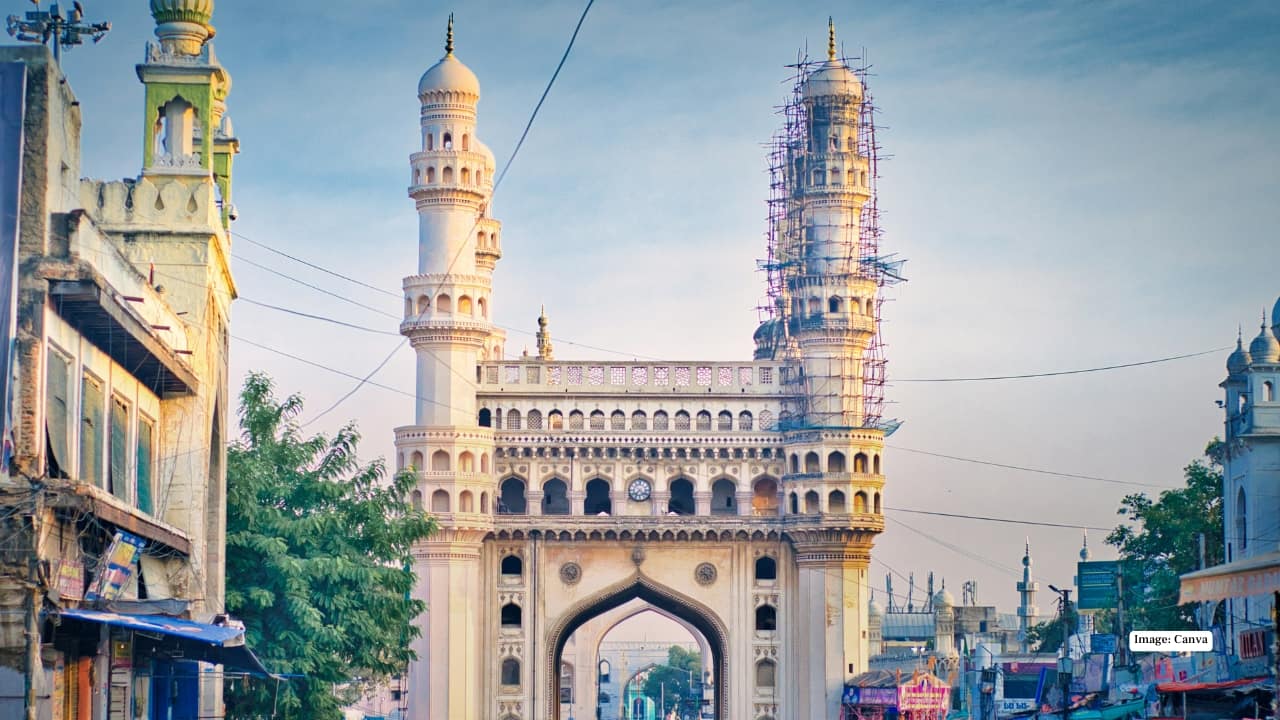
5. Charminar, Hyderabad, Telangana
At the crossing of Hyderabad’s oldest streets stands the Charminar, part mosque and part urban anchor. Commissioned in 1591 by Muhammad Quli Qutb Shah, its four minarets overlook a sea of bangles, attar shops, and Irani cafés. The stucco motifs and proportions reflect the confident identity of the Qutb Shahi dynasty, which shaped Hyderabad into a cosmopolitan city.
Travel tip: Arrive after sunset when the monument is lit and enjoy a walking tour through Laad Bazaar.
At the crossing of Hyderabad’s oldest streets stands the Charminar, part mosque and part urban anchor. Commissioned in 1591 by Muhammad Quli Qutb Shah, its four minarets overlook a sea of bangles, attar shops, and Irani cafés. The stucco motifs and proportions reflect the confident identity of the Qutb Shahi dynasty, which shaped Hyderabad into a cosmopolitan city.
Travel tip: Arrive after sunset when the monument is lit and enjoy a walking tour through Laad Bazaar.
7/12
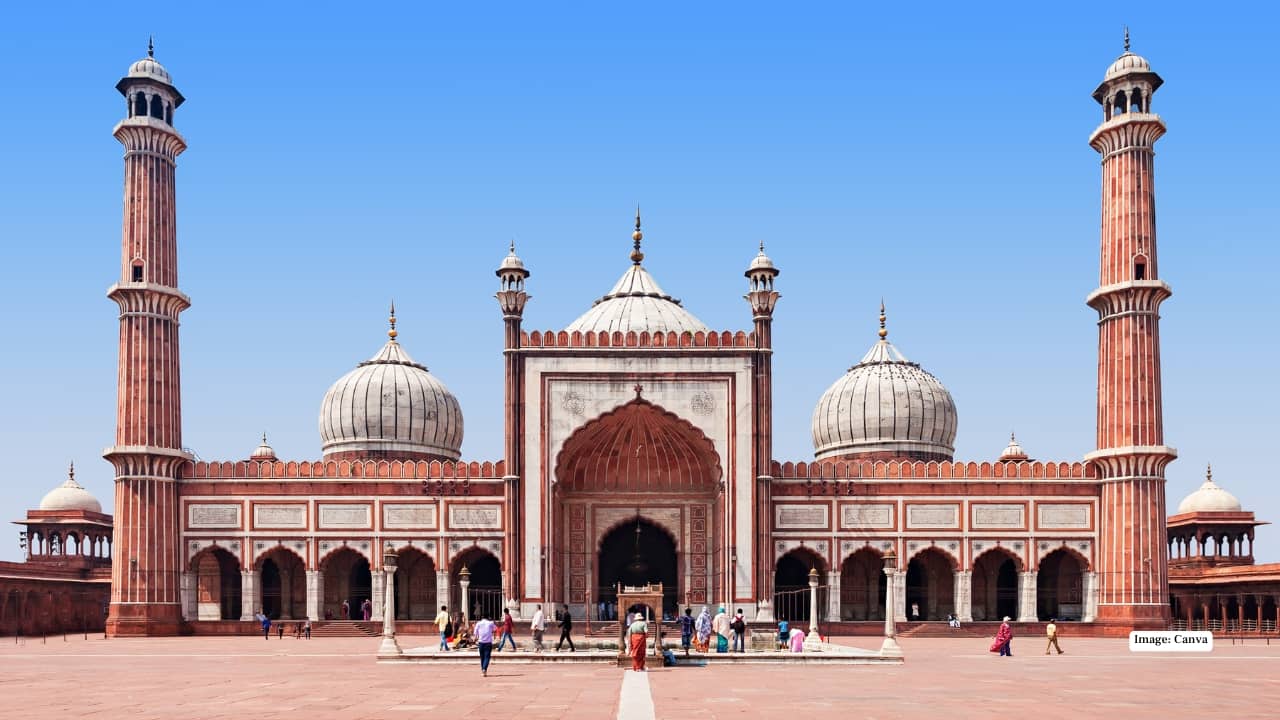
6. Jama Masjid, Delhi
This grand Mughal mosque still gathers the city into its arms every Friday. Built by Shah Jahan, Jama Masjid’s vast courtyard can host thousands, while the striped marble domes add elegance to the imposing red sandstone body. It remains one of the most complete expressions of mature Mughal religious architecture.
Travel tip: Climb the southern minaret for wide views over Old Delhi’s rooftops and spice markets.
This grand Mughal mosque still gathers the city into its arms every Friday. Built by Shah Jahan, Jama Masjid’s vast courtyard can host thousands, while the striped marble domes add elegance to the imposing red sandstone body. It remains one of the most complete expressions of mature Mughal religious architecture.
Travel tip: Climb the southern minaret for wide views over Old Delhi’s rooftops and spice markets.
8/12
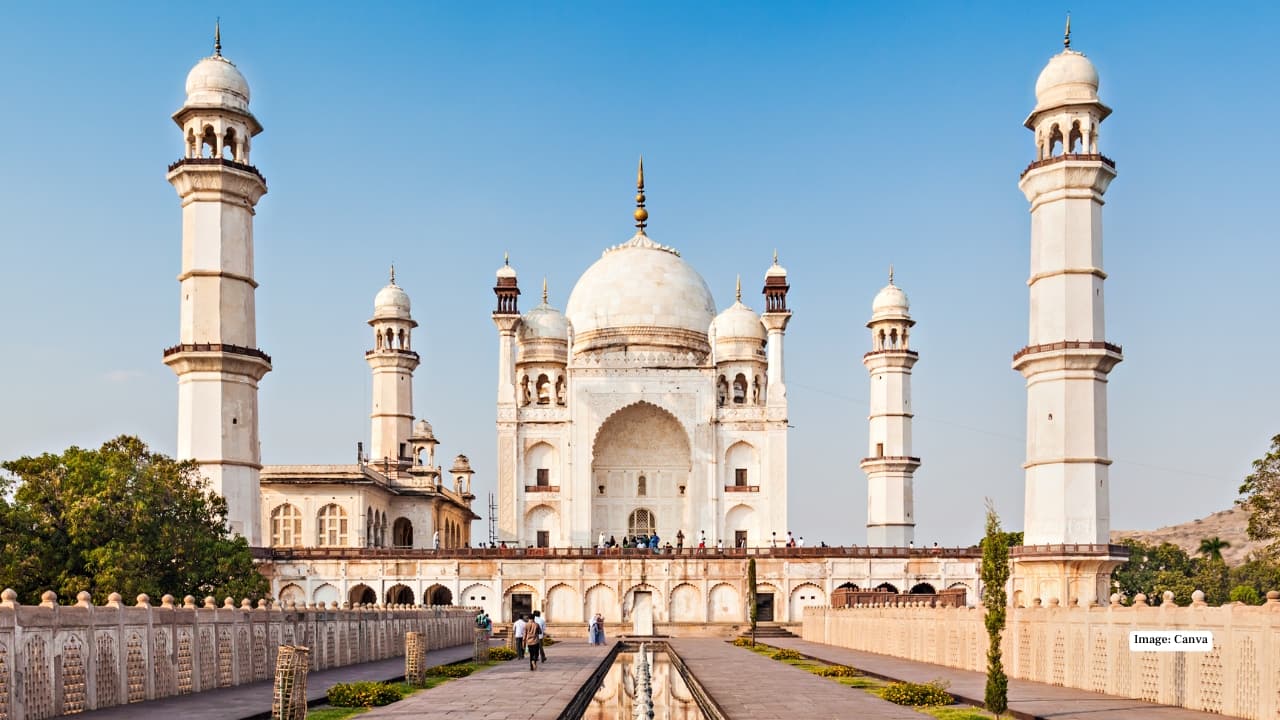
7. Bibi Ka Maqbara, Aurangabad, Maharashtra
Often called the “Taj of the Deccan,” this mausoleum was raised by Prince Azam Shah for his mother Dilras Banu Begum. Though inspired by the Taj, its plaster detailing and garden layout reveal a distinct Aurangabad character. The lighter crowds make it ideal for travellers seeking calm rather than queues.
Travel tip: Visit at dawn to photograph the monument wrapped in gentle, rose-coloured light.
Often called the “Taj of the Deccan,” this mausoleum was raised by Prince Azam Shah for his mother Dilras Banu Begum. Though inspired by the Taj, its plaster detailing and garden layout reveal a distinct Aurangabad character. The lighter crowds make it ideal for travellers seeking calm rather than queues.
Travel tip: Visit at dawn to photograph the monument wrapped in gentle, rose-coloured light.
9/12
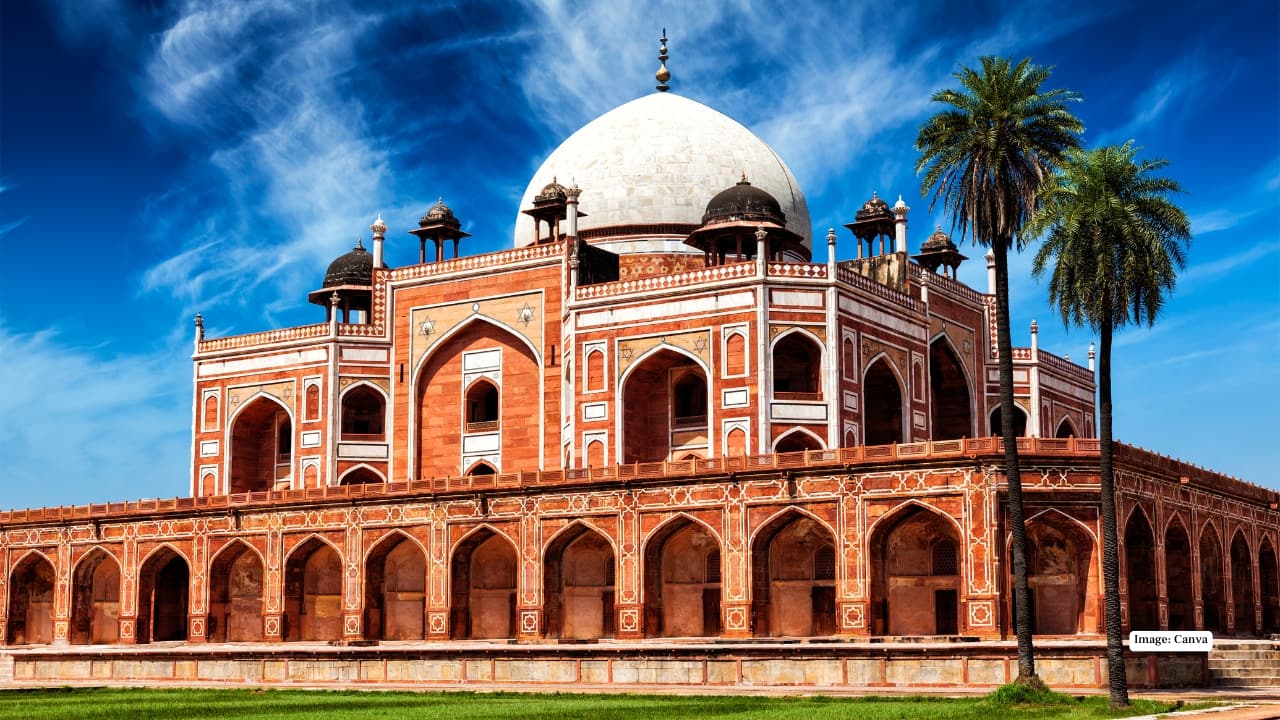
8. Humayun’s Tomb, Delhi
Set inside a Charbagh garden, Humayun’s Tomb introduced India to the monumental Persian-style layout that later influenced the Taj. Built for the second Mughal emperor by his queen, the structure mixes sandstone mass with marble finesse. The surrounding precinct shelters smaller monuments, turning the visit into a mini heritage trail.
Travel tip: Give yourself at least two hours to explore Isa Khan’s Tomb and the tree-lined walkways.
Set inside a Charbagh garden, Humayun’s Tomb introduced India to the monumental Persian-style layout that later influenced the Taj. Built for the second Mughal emperor by his queen, the structure mixes sandstone mass with marble finesse. The surrounding precinct shelters smaller monuments, turning the visit into a mini heritage trail.
Travel tip: Give yourself at least two hours to explore Isa Khan’s Tomb and the tree-lined walkways.
10/12
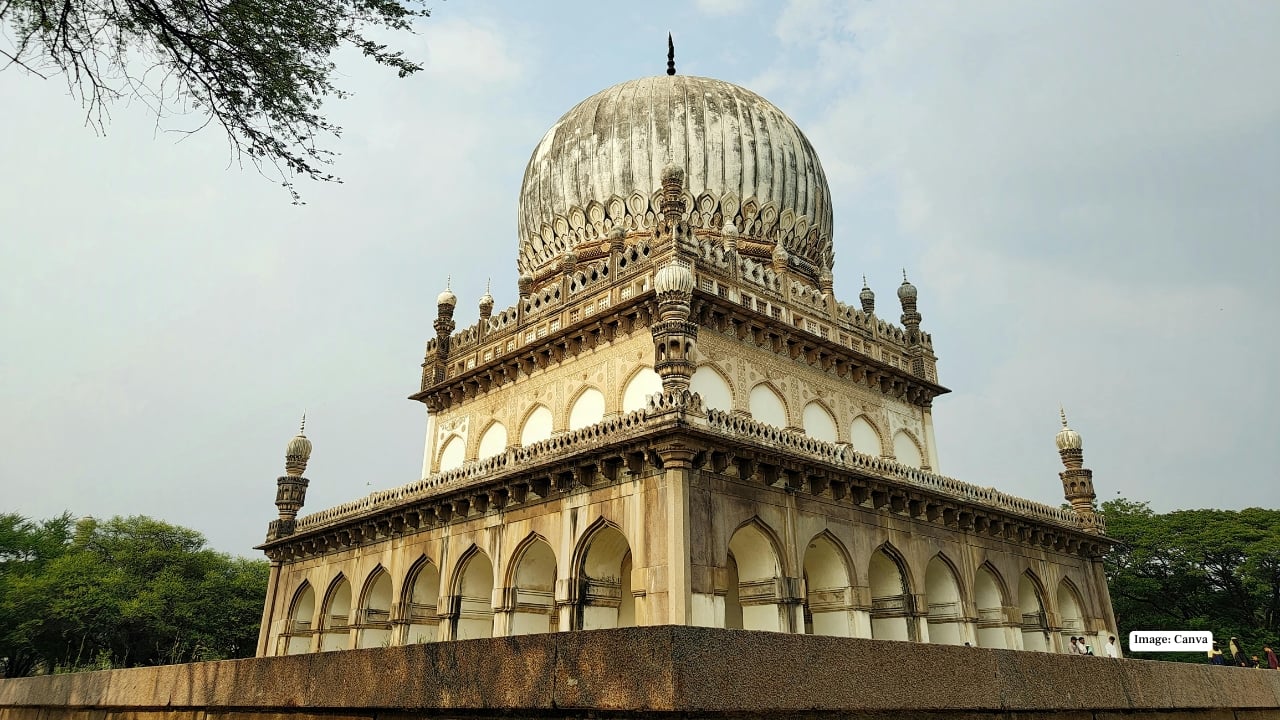
9. Qutb Shahi Tombs, Hyderabad
A short ride from Charminar lies a royal necropolis where an entire dynasty sleeps beneath bulbous domes. The tombs showcase basalt platforms, enamel tiles, and carved plaster motifs that are uniquely Hyderabadi. Walking between them feels like paging through a family album of the 16th century.
Travel tip: Pair the trip with nearby Golconda Fort for a full Qutb Shahi day.
A short ride from Charminar lies a royal necropolis where an entire dynasty sleeps beneath bulbous domes. The tombs showcase basalt platforms, enamel tiles, and carved plaster motifs that are uniquely Hyderabadi. Walking between them feels like paging through a family album of the 16th century.
Travel tip: Pair the trip with nearby Golconda Fort for a full Qutb Shahi day.
11/12
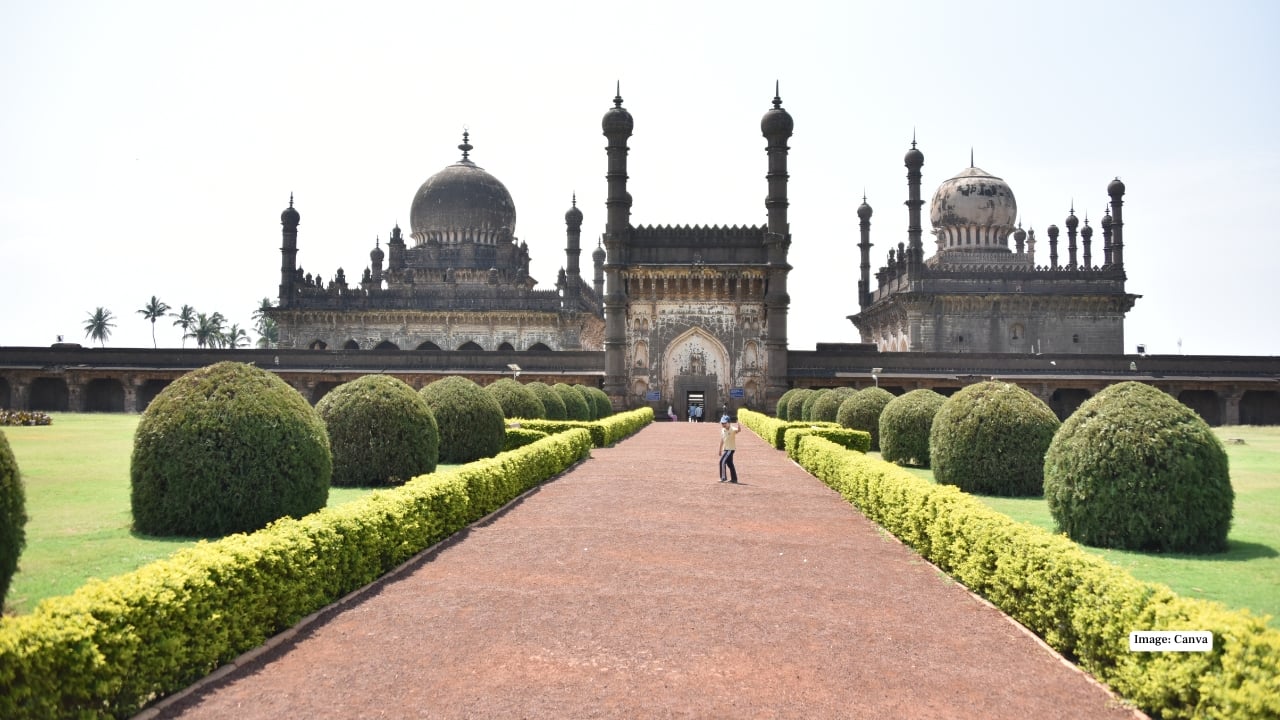
10. Ibrahim Rauza, Vijayapura, Karnataka
Ibrahim Rauza is poetry carved in stone—two balanced buildings facing each other across a reflective pool. The tomb and mosque, built for Sultan Ibrahim Adil Shah II, are celebrated for delicate jaalis and floral carvings that echo local temple artistry.
Travel tip: It’s a wonderful alternative for travellers who enjoyed the Taj aesthetic but want a quieter cousin.
Ibrahim Rauza is poetry carved in stone—two balanced buildings facing each other across a reflective pool. The tomb and mosque, built for Sultan Ibrahim Adil Shah II, are celebrated for delicate jaalis and floral carvings that echo local temple artistry.
Travel tip: It’s a wonderful alternative for travellers who enjoyed the Taj aesthetic but want a quieter cousin.
12/12
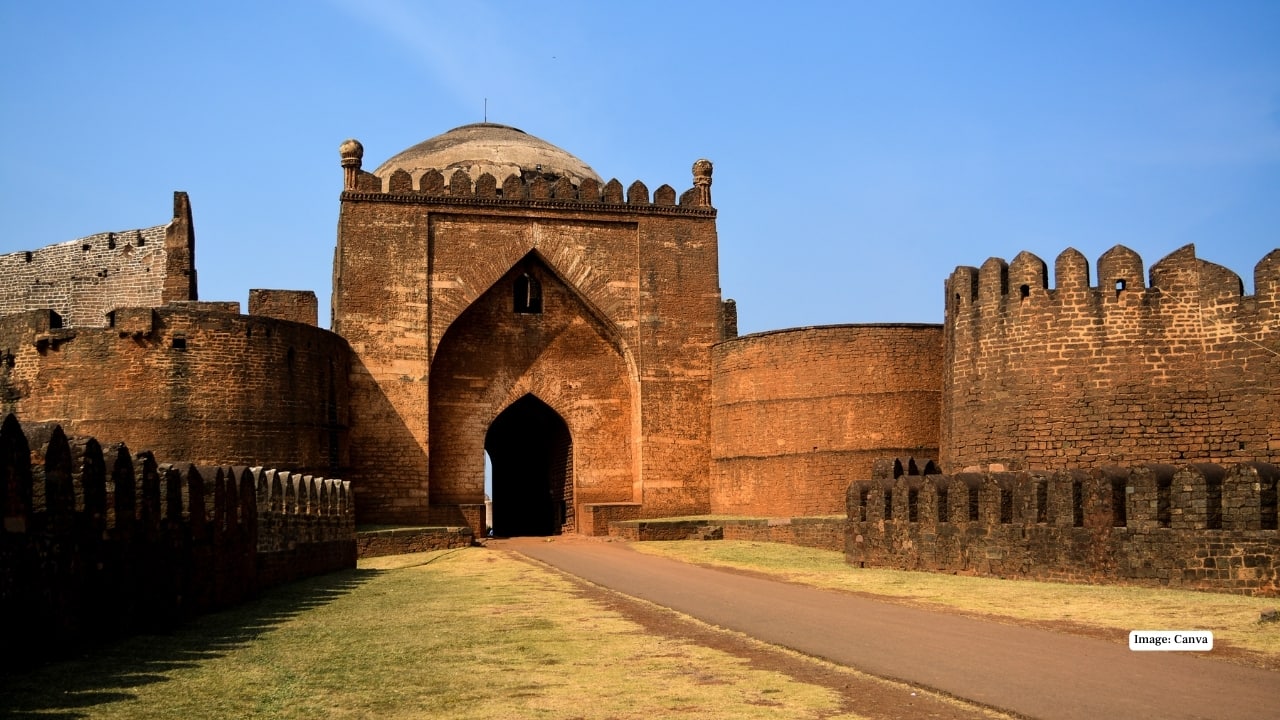
11. Bidar Fort, Karnataka
Perched on the edge of the plateau, Bidar Fort mixes Persian tile traditions with rugged Indian military design. The Rangin Mahal palace inside still holds fragments of colourful mosaics, while the gateways and bastions narrate stories of the Bahmani era.
Travel tip: The climate is cooler than much of the Deccan—ideal for long exploratory walks.
Perched on the edge of the plateau, Bidar Fort mixes Persian tile traditions with rugged Indian military design. The Rangin Mahal palace inside still holds fragments of colourful mosaics, while the gateways and bastions narrate stories of the Bahmani era.
Travel tip: The climate is cooler than much of the Deccan—ideal for long exploratory walks.
Discover the latest Business News, Budget 2025 News, Sensex, and Nifty updates. Obtain Personal Finance insights, tax queries, and expert opinions on Moneycontrol or download the Moneycontrol App to stay updated!



