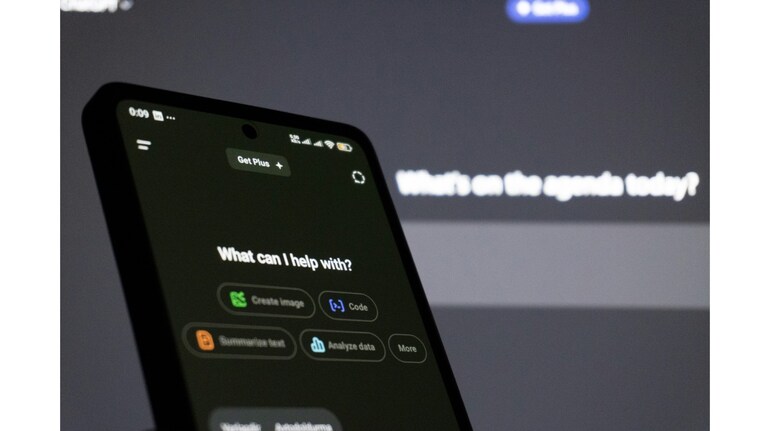
OpenAI may be preparing a significant shift in how ChatGPT is monetised. According to a report by The Information, employees inside the company have been discussing ways to introduce advertising into ChatGPT responses, particularly when users search for products or services. These conversations reportedly include internal mockups that explore how sponsored information could be surfaced naturally within answers.
One example cited in the report involves shopping queries. If a user asks for mascara recommendations, a sponsored placement from Sephora could appear alongside or within the response. The emphasis, according to people familiar with the discussions, is on contextual relevance rather than traditional display ads.
The timing of these internal explorations is notable. OpenAI has already crossed an estimated 900 million weekly active users, and projections suggest that number could reach 2.6 billion by 2030. At that scale, ChatGPT would compete directly with platforms operated by Google, Meta and Amazon for a share of the global digital advertising market, which is valued at well over $1 trillion.
Why ads are even being considered
While OpenAI and its CEO Sam Altman have not officially announced an advertising roadmap, several signals point in that direction. The company has been expanding shopping related features inside ChatGPT and has hired senior executives with backgrounds in advertising and commerce.
ChatGPT’s unique position also makes it attractive to advertisers. Unlike search engines or social networks, ChatGPT captures detailed conversational context. Over time, this can reveal nuanced user interests, preferences and intent. Analysts quoted in earlier reports have described ChatGPT conversations as a potential advertising goldmine, provided they are handled carefully.
The risk, however, is equally clear. ChatGPT is widely perceived as a neutral assistant rather than a platform optimised for commercial persuasion. Introducing ads too aggressively could erode trust and blur the line between advice and promotion.
OpenAI’s response and recent denials
In response to the latest report, an OpenAI spokesperson acknowledged that advertising is being explored, but stressed caution. The company said it is looking at what ads inside ChatGPT could look like while remaining mindful of the trusted relationship users have with the product. Any future approach, the spokesperson said, would be designed to respect that trust.
The clarification comes shortly after public confusion around alleged ad sightings inside ChatGPT. Earlier this month, Nick Turley, OpenAI’s vice president and head of ChatGPT, publicly denied that any ads were being tested. He stated clearly that there were no live ad experiments running and added that if OpenAI ever moves in that direction, it would do so thoughtfully and transparently.
What this means for users
For now, ChatGPT remains ad-free in practice. But the internal discussions suggest OpenAI is thinking seriously about long-term monetisation as usage explodes and infrastructure costs rise. If ads do arrive, they are likely to be tightly integrated, context aware and limited to specific use cases such as shopping or local services.
Whether users accept that trade-off will depend on how clearly sponsored content is labelled and how well OpenAI preserves the integrity of its responses. As ChatGPT edges closer to becoming a mainstream gateway to information, commerce and decision making, the pressure to balance growth, revenue and trust will only intensify.


Discover the latest Business News, Sensex, and Nifty updates. Obtain Personal Finance insights, tax queries, and expert opinions on Moneycontrol or download the Moneycontrol App to stay updated!





Find the best of Al News in one place, specially curated for you every weekend.
Stay on top of the latest tech trends and biggest startup news.