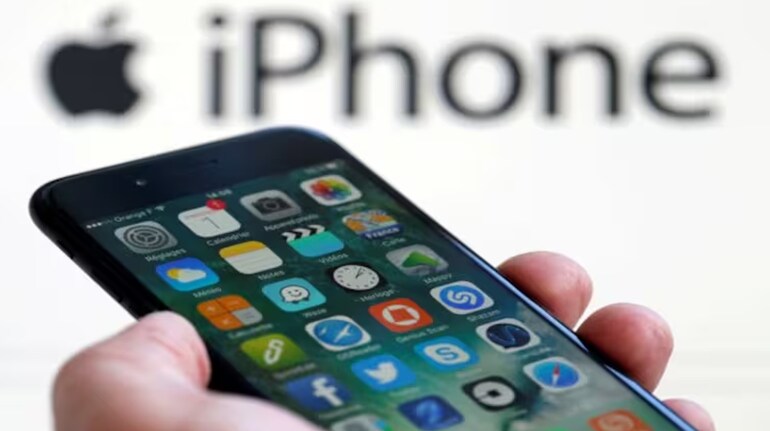

Apple may be getting closer to a future where iPhones can understand not just what you say, but how you feel when you say it. On Thursday, Apple confirmed that it has acquired Q.ai, an Israeli startup that works on artificial intelligence for audio and sensing.
Apple did not share how much it paid for Q.ai. However, a source familiar with the deal said the startup was valued at around $1.6 billion. Q.ai had earlier raised funding from well-known investors including Kleiner Perkins, Spark Capital, and GV.
Apple also did not clearly say how it plans to use Q.ai’s technology. What it did say is that the company has been working on new ways to help devices better understand whispered speech and improve audio quality in difficult environments, such as noisy rooms or outdoor settings.
What has drawn the most attention, though, is Q.ai’s recent patent filing. The company described technology that can study tiny movements on a person’s facial skin to understand words that are mouthed or softly spoken. This same method could also be used to identify a person and read signals such as emotions, heart rate, and breathing patterns. In simple terms, future iPhones could potentially read facial expressions and physical cues to better understand users.
All of Q.ai’s roughly 100 employees will now join Apple. This includes CEO Aviad Maizels and co-founders Yonatan Wexler and Avi Barliya. Maizels is already familiar with Apple. He previously founded PrimeSense, which Apple acquired in 2013. That earlier deal played a key role in Apple’s move away from fingerprint sensors and toward Face ID on the iPhone.
In a statement, Maizels said joining Apple would allow the team to take their work further and bring it to a much larger audience. He added that they are excited about what can now be built together.
Apple’s interest in audio and sensing-based AI has been growing. Last year, the company introduced new features in AirPods that allow real-time language translation, pointing to a broader push toward more intelligent and context-aware devices.
Commenting on the acquisition, Johny Srouji, Apple’s senior vice president of hardware technologies, said Q.ai has been exploring creative ways to use imaging and machine learning. He added that Apple is excited to welcome the team and see what comes next.
While Apple has not said when or where Q.ai’s technology will show up, the acquisition suggests that future iPhones could become far more aware of users’ expressions, emotions, and subtle signals than ever before.



Discover the latest Business News, Sensex, and Nifty updates. Obtain Personal Finance insights, tax queries, and expert opinions on Moneycontrol or download the Moneycontrol App to stay updated!
Find the best of Al News in one place, specially curated for you every weekend.
Stay on top of the latest tech trends and biggest startup news.