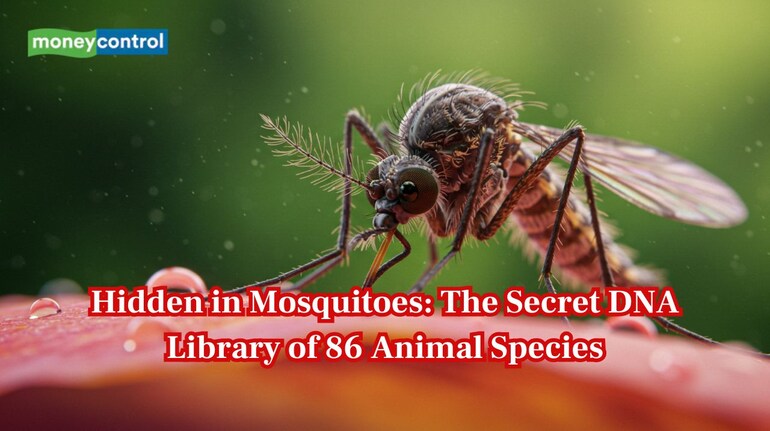

Could mosquitoes be the ultimate wildlife spies? A new study shows they collect DNA from nearly every animal they bite. Researchers reveal that mosquitoes act like tiny flying genetic libraries, capturing a snapshot of biodiversity wherever they feed. This is science fiction turned reality, but it do not involve the dinosaurs.
Who did this research?
The new research from the University of Florida finds that mosquito meals really can provide a thorough ecological snapshot of the area they buzz about.
"They say Jurassic Park inspired a new generation of paleontologists, but it inspired me to study mosquitoes," says entomologist Lawrence Reeves.
Reeves, fellow entomologist Hannah Atsma and their colleagues caught more than 50,000 individual mosquitoes. These mosquitoes represent 21 different species, across a 10,900-hectare protected reserve in central Florida over 8 months.
Mosquitoes reveal wildlife through their blood meals
The team analysed over 50,000 mosquitoes from Florida’s protected reserves. They focused on female mosquitoes, which feed on blood to reproduce. By studying just a few thousand, they identified DNA from 86 vertebrate species, from frogs and birds to reptiles and mammals. Even elusive creatures were detected, showing that mosquito blood meals reveal hidden wildlife activity in the ecosystem.
How do mosquitoes act as biodiversity trackers?
Every blood meal carries genetic clues from the host. Researchers liken it to a natural surveillance tool, recording which animals are present. This method allows scientists to survey entire ecosystems without traditional trapping or camera monitoring. It is faster, cheaper and surprisingly comprehensive, especially when mosquito populations are high.
Could this replace traditional wildlife surveys?
Potentially, yes. The study found that mosquito DNA sampling can match or even outperform conventional survey methods during peak mosquito season. It captures data on resident species, migratory animals, and even amphibians that are hard to spot. In short, mosquitoes could become tiny conservation assistants, revealing secrets scientists would otherwise miss.
So, is this like Jurassic Park?
Well, not quite. While the idea of cloning dinosaurs from mosquitoes remains fiction, the concept isn’t far off. Mosquito blood literally records which species they bite, creating a “library” of DNA from the surrounding ecosystem. Scientists say it could revolutionise biodiversity monitoring, conservation planning, and environmental research.
Why does this matter for the future?
Tracking biodiversity is crucial in the face of habitat loss, climate change and endangered species. Using mosquitoes as natural samplers can provide real-time, cost-effective insight into wildlife populations.
This method could be applied anywhere mosquitoes thrive from tropical forests to wetlands, globally. It is a clever way to turn a pesky insect into a conservation ally.
Discover the latest Business News, Sensex, and Nifty updates. Obtain Personal Finance insights, tax queries, and expert opinions on Moneycontrol or download the Moneycontrol App to stay updated!
Find the best of Al News in one place, specially curated for you every weekend.
Stay on top of the latest tech trends and biggest startup news.