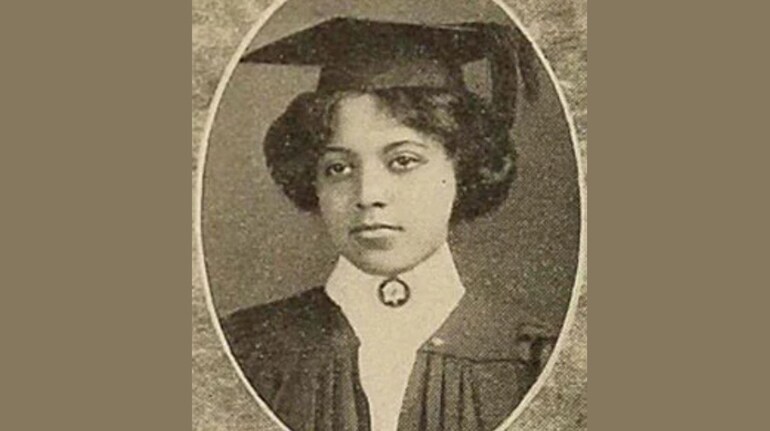

A young chemist’s work reshaped medicine but vanished from history. Alice Augusta Ball developed a treatment that changed leprosy care yet remained uncredited for decades. Her story reflects scientific brilliance overshadowed by inequality, silence and delayed justice.
Born in 1892, she grew up in a family that valued education. From an early age, Ball showed strong academic promise. She pursued higher studies despite racial and gender barriers. She earned degrees in pharmaceutical chemistry and pharmacy from the University of Washington. At a time when opportunities were scarce, her achievements stood out.
In 1914, Ball moved to Hawaii to continue studies. She enrolled at the College of Hawaii chemistry programme. In 1915, she became the first woman graduate. She was also the first African American graduate. At twenty three, she joined faculty as chemistry instructor. Her appointment marked a rare milestone in academic science. Ball’s presence challenged norms within scientific institutions.
The Ball Method and Leprosy Treatment
During this period, leprosy patients faced forced exile. Many were isolated on Molokai indefinitely. Doctors relied on chaulmoogra oil as treatment. The oil caused severe illness and failed absorption. Dr Harry Hollmann sought a chemical solution. Ball analysed the oil’s properties through careful experimentation. She isolated its fatty acids successfully. She converted them into injectable ethyl esters. The treatment could finally enter the bloodstream effectively.
This process became known as the Ball Method. Patients responded positively to the injections. Many were released from long enforced isolation. Shoreline communities witnessed returning patients once abandoned. Ball’s work transformed leprosy care worldwide. It offered dignity and hope where none existed.
Stolen Credit and Delayed Recognition
Ball died in December 1916 at twenty four. She passed before publishing her research findings. Her death circumstances remain historically debated. Arthur Dean continued her research afterwards. He published findings without acknowledging Ball’s role. The method was renamed under his own authorship. Ball’s contributions faded from medical history.
In 1922, Hollmann corrected the record publicly. He credited Ball for solving the treatment problem. Decades later, university researchers uncovered archival proof. In 2000, Hawaii honoured Ball with a campus plaque. The state declared February twenty nine Alice Ball Day. In 2007, the university awarded her highest distinction.
Today, Alice Ball is remembered as a pioneer. Her science saved lives and reshaped medicine. Her legacy stands as delayed justice finally delivered.
Discover the latest Business News, Sensex, and Nifty updates. Obtain Personal Finance insights, tax queries, and expert opinions on Moneycontrol or download the Moneycontrol App to stay updated!
Find the best of Al News in one place, specially curated for you every weekend.
Stay on top of the latest tech trends and biggest startup news.