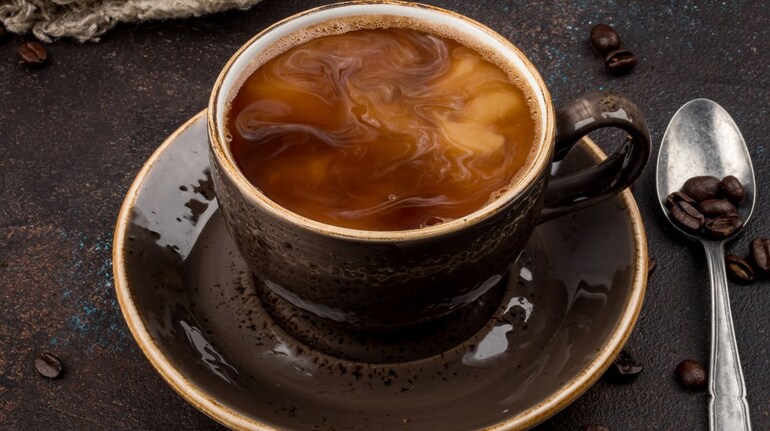

Scientists in Japan have identified biological reasons behind the unusually smooth taste of Black Ivory coffee, linking the rare brew’s low bitterness to gut bacteria found inside Asian elephants, according to new research.
Black Ivory coffee is considered among the rarest coffees globally. It is produced only at a single elephant sanctuary in Thailand. Arabica coffee cherries are fed to elephants there. The beans are later collected, cleaned, and roasted. The resulting coffee is known for mild flavours. Chocolate notes and reduced bitterness define its profile.
How elephant digestion alters coffee flavour
Researchers from the Institute of Science Tokyo conducted the study. They analysed dung samples from elephants consuming coffee cherries. These were compared with samples from elephants not fed coffee. The team found clear microbial differences between groups. Coffee-fed elephants showed higher levels of pectin-degrading bacteria.
Pectin is a natural compound found inside coffee beans. During normal roasting, pectin breaks down further. This process creates bitter tasting chemical compounds. However, in this case, pectin levels reduced earlier. Gut bacteria broke down pectin before roasting occurred. This led to fewer bitter compounds forming later.
Associate Professor Takuji Yamada explained the findings clearly. He said gut microbiota likely influences final coffee flavour. He added that further biochemical testing remains necessary. Researchers aim to examine beans before digestion. They also plan to study beans after digestion. Such analysis may confirm the proposed mechanism.
What microbes reveal about Black Ivory coffee
The study also found increased microbial diversity overall. Elephants eating coffee cherries hosted more varied bacteria. Many of these microbes are linked to pectin digestion. Scientists believe coffee cherries help such microbes grow. This change appears to influence how beans chemically evolve.
Black Ivory coffee does not form its flavour accidentally. The process depends on animal digestion pathways. It also depends on microbial activity inside elephants. These factors combine before roasting even begins. The results highlight interactions between animals and foods.
What this means for future food research
Researchers say the findings extend beyond luxury coffee. They show how digestion can shape food taste. The role of gut bacteria may inspire new methods. Scientists may explore controlled fermentation alternatives. These could mimic natural microbial processes.
The research opens discussion on flavour development techniques. It also raises ethical considerations for animal involvement. Scientists stress responsible research and transparency. The study was published in the journal Scientific Reports.
Discover the latest Business News, Sensex, and Nifty updates. Obtain Personal Finance insights, tax queries, and expert opinions on Moneycontrol or download the Moneycontrol App to stay updated!
Find the best of Al News in one place, specially curated for you every weekend.
Stay on top of the latest tech trends and biggest startup news.