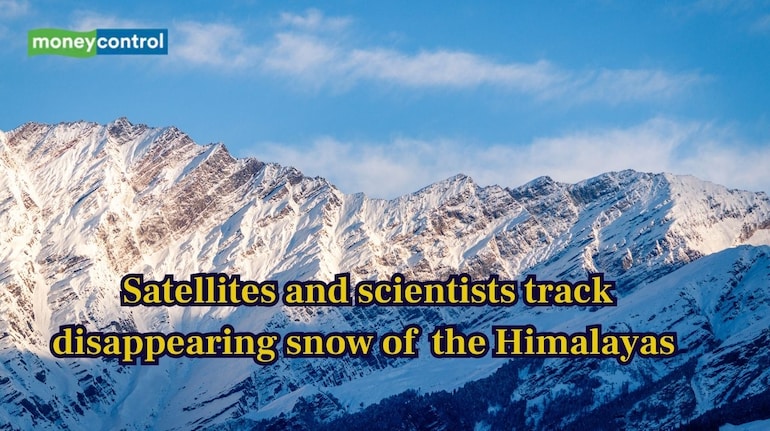

Satellite data reveals a worrying trend in the Hindu Kush-Himalaya. Winter snow levels have fallen to their lowest in over 20 years. Mountains that were once covered in white now show exposed rocks. Researchers warn this is not just a local problem, but a continental concern. Climate change is shortening snow seasons in high-mountain regions.
Who Is Monitoring the Himalayas?
Scientists use satellites, ground stations and climate models to track snow. The International Centre for Integrated Mountain Development (ICIMOD) leads regional monitoring efforts. Researchers study glaciers, snow cover, and river flow patterns constantly. Satellite images help detect changes invisible from the ground. Global teams work together to assess climate risks for the mountains.
How Is Global Warming Melting the Peaks?
The IPCC reports that rising temperatures are impacting snow cycles. Snow arrives later in the season and melts earlier than before. This leaves once-snowy peaks increasingly bare and rocky for months. Shorter snow seasons disturb ecosystems that rely on cold conditions. It also signals broader changes in mountain climates across Asia.
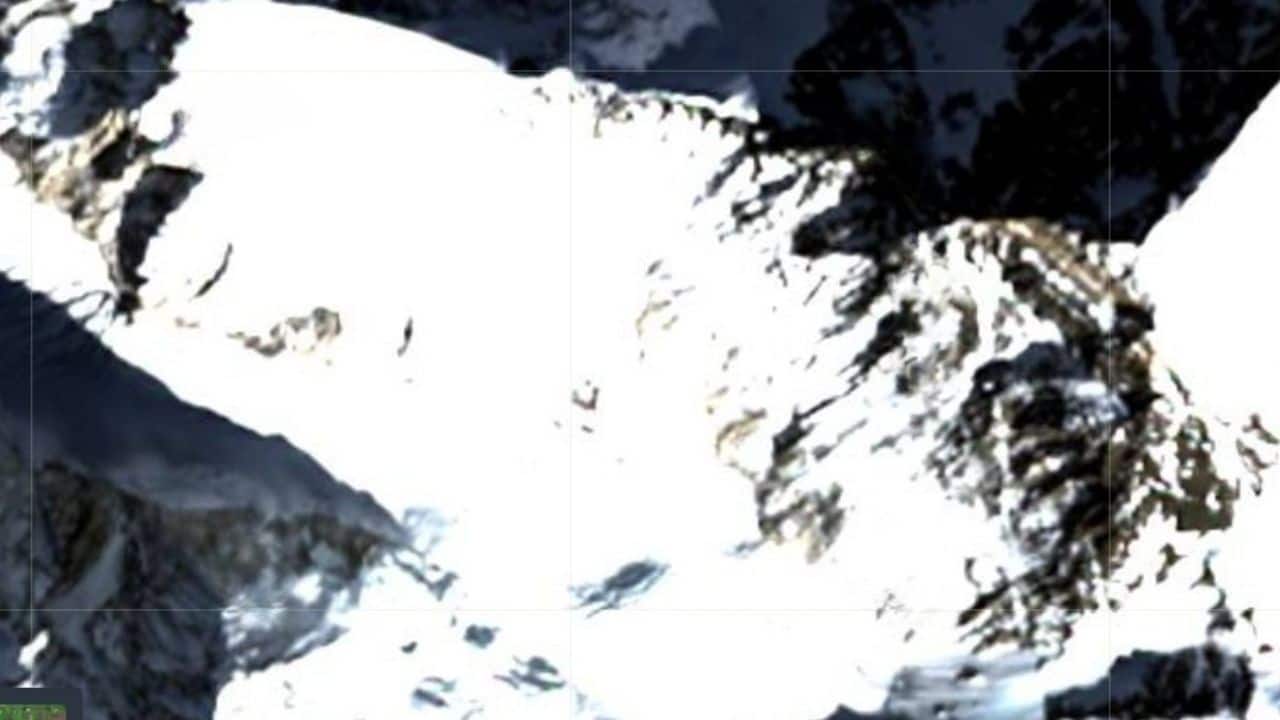 Satellite images reveal Himalayan snow at a 20-year low. (Image: landviewer)
Why Are the Himalayas Called "Asia’s Water Tower"?
The Himalayas feed Asia’s major rivers, including the Ganges and Indus. These rivers sustain millions of people, farmland and cities. Snow and glaciers act as natural reservoirs, releasing water gradually. As snow declines, river flow becomes unpredictable and unstable. Water shortages could hit agriculture, electricity, and daily life downstream.
How Does Declining Snow Affect Ecosystems?
Declining snow threatens food security across South and Central Asia. Hydropower production may be affected due to reduced water supply. Wildlife and fragile ecosystems depend on consistent river flow. Communities that rely on seasonal snowmelt face growing uncertainty. The problem extends far beyond the mountains themselves.
What Does This Mean for the Future?
Scientists emphasise urgent action to mitigate climate change impacts. Protecting snow and glaciers requires reducing greenhouse gas emissions globally. Monitoring mountains using satellites helps predict future water risks. The Himalayas’ fate is closely linked to millions of lives downstream. If snow continues to vanish, Asia’s water tower may no longer be reliable.
Discover the latest Business News, Sensex, and Nifty updates. Obtain Personal Finance insights, tax queries, and expert opinions on Moneycontrol or download the Moneycontrol App to stay updated!
Find the best of Al News in one place, specially curated for you every weekend.
Stay on top of the latest tech trends and biggest startup news.