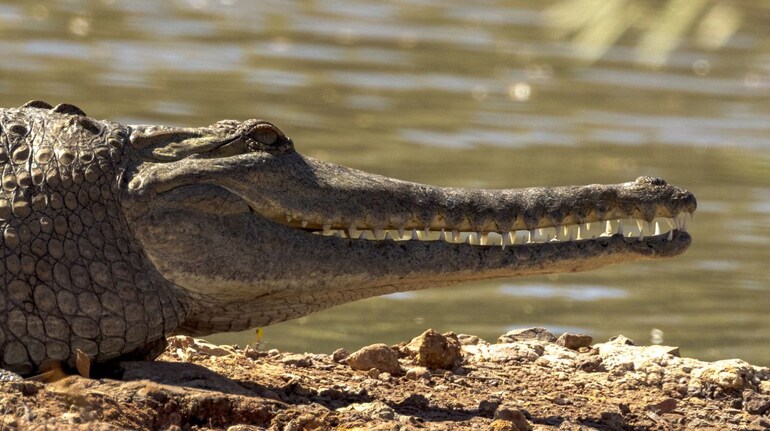
Estuarine crocodiles in Australia are feeling the heat. A new study reveals that rising temperatures are pushing these cold-blooded reptiles to their thermal limits, forcing them to change their natural behaviours.
Crocodiles Struggle as Temperatures Climb
Estuarine crocodiles (Crocodylus porosus), like most reptiles, are ectothermic. They rely on their surroundings to regulate body temperature. Normally, they sunbathe to warm up and seek shade or water to cool down. But global warming is throwing off this balance.
The study, published in Current Biology, tracked 203 crocodiles over 15 years at Queensland’s Steve Irwin Wildlife Reserve. Researchers used trackers to monitor body temperatures and time spent in water. Findings showed their average body temperatures rose by 0.99°F (0.55°C) over time.
Read Also: Cassowary: Meet the World’s most dangerous bird that can kill a human
Lead author Kaitlin Barham, a doctoral candidate at the University of Queensland, explained the impact. “A hotter croc has a higher metabolism,” she told Live Science. “They burn oxygen faster and can’t hold their breath as long.”
Heat Forces Crocs to Slow Down
The critical thermal limit for estuarine crocodiles is 89.6°F (32°C). Once body temperatures cross this mark, their performance drops. They reduce swimming and diving to cool down, limiting their ability to hunt and travel.
Out of 203 crocodiles, 135 reached or exceeded this thermal limit at least once. One crocodile even sustained temperatures above 89.6°F for over a month in 2021. These spikes were often tied to El Niño events.
Researchers recorded 6.5 million temperature readings. Data showed crocodiles spending more time cooling off and less time hunting or reproducing. They also submerged for shorter periods during high temperatures, affecting their ambush hunting tactics.
Uncertain Future for Crocodiles
While it’s unclear if these temperature spikes directly impact survival rates, scientists worry about long-term effects. “Every minute they spend cooling off is time not spent hunting or reproducing,” Barham said.
If warming trends continue, estuarine crocodiles may struggle to adapt, leading to shifts in ecosystems where they play a key role as apex predators.
Discover the latest Business News, Sensex, and Nifty updates. Obtain Personal Finance insights, tax queries, and expert opinions on Moneycontrol or download the Moneycontrol App to stay updated!
Find the best of Al News in one place, specially curated for you every weekend.
Stay on top of the latest tech trends and biggest startup news.