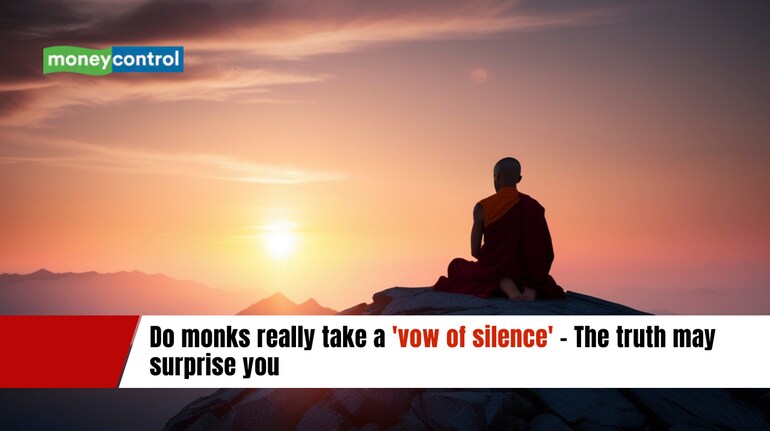

In a world dominated by constant digital noise and chatter, the ancient concept of the vow of silence remains a source of fascination. The popular image of a monk, secluded in a monastery and sworn to never speak again, is a staple of movies and literature. However, the reality of this spiritual practice is far more nuanced. From the structured quiet of Western monasteries to the "Great Silence" of the night, the truth behind these silent traditions is often misunderstood.
While silence is indeed seen as a virtue and a path to deepen one's relationship with God, it is rarely an absolute prohibition. Here is a look at the myths, the methods and the modern adaptations of the vow of silence.
The Myth of the Silent Monk
Contrary to popular belief, no Roman Catholic religious order takes a complete, permanent vow of silence. Even the most austere orders, such as the Carthusians, schedule specific times for conversation into their routine.
Instead of a blanket ban on speech, monasteries in the Western Christian tradition observe what is known as the "Great Silence." This is a designated period during the night hours, typically beginning after Compline (night prayer) and lasting until the first canonical prayers of the following morning. During this time, speaking is strictly prohibited to foster spiritual reflection. Furthermore, specific zones within the monastery such as the church, refectory (dining hall) and dormitory are often designated as quiet areas, while "recreations" are scheduled times when talking is permitted.
Silence in Indian and Buddhist traditions
In Indian religions, the practice of religious silence is known as Mauna. The connection between wisdom and silence is deep-rooted; the word for a sage, Muni (as in Sakyamuni), literally translates to "the silent one."
In Buddhism, silence is a tool for training the mind. It is often used to help novices resist the distractions of samsara, including worldly allures. However, Buddhist doctrine explicitly states that taking a vow of silence does not automatically make one a sage, as disciples are also expected to teach the dharma.
An interesting adaptation of this practice is seen in the iron staff (khakkhara) carried by some Buddhist monks observing silence. Since they cannot speak to announce their presence while begging for alms, the metallic rattle of the staff serves as a signal. It also functions as a practical tool to frighten away small animals, preventing the monk from accidentally harming living beings.
Silence as a Modern Protest
Beyond religious walls, the vow of silence has been embraced by secular society as a powerful method of protest. By refusing to speak, activists highlight the plight of those who have been "silenced" by oppression or poverty.
In the United States, the GLSEN organizes this annual event where students take a day-long vow of silence. This symbolic act raises awareness about the bullying and harassment faced by LGBTQ students.
In Canada, students participate in a 24-hour vow of silence on November 30th to protest against child poverty and labor.
The use of silence for discipline is not new. Pythagoras, the ancient mathematician, allegedly imposed a strict rule of silence on his disciples.
Pop culture reflections
The vow of silence frequently appears in pop culture, often dramatized for effect. The BBC series Call the Midwife accurately depicts the Anglican nuns observing the "Great Silence" until morning. Conversely, comedies like Seinfeld and movies like Little Miss Sunshine use the vow as a plot device for character growth or humor.
Whether used to deepen spiritual connection or to make a bold social statement, the vow of silence remains a profound testament to the power of quiet.

Discover the latest Business News, Sensex, and Nifty updates. Obtain Personal Finance insights, tax queries, and expert opinions on Moneycontrol or download the Moneycontrol App to stay updated!
Find the best of Al News in one place, specially curated for you every weekend.
Stay on top of the latest tech trends and biggest startup news.