Moneycontrol PRO
HomeNewsWorld2 in 5 schools did not have handwashing facilities before COVID-19 outbreak: UNICEF

2 in 5 schools did not have handwashing facilities before COVID-19 outbreak: UNICEF

As per the WHO/UNICEF Joint Monitoring Programme report, as many as 818 million children around the world lack access to basic handwashing facilities at their schools, which exposed them to the risk of contracting COVID-19 among other contagious diseases.

August 14, 2020 / 19:24 IST
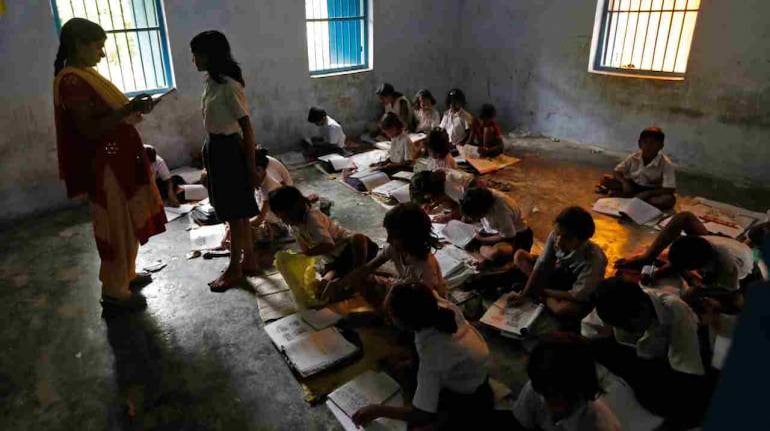
Representative image (Image: Reuters).

Almost half the schools across the world did not have access to basic handwashing facilities in 2019, data from the WHO/UNICEF Joint Monitoring Programme (JMP) report revealed on August 13.

At a time when schools are struggling to reopen and function amid a pandemic, data has revealed that students of 43 percent schools (i.e. two out of five schools) did not have access to basic handwashing facilities -- soap and water.

All schools that reopen amid the COVID-19 crisis will have to ensure they can provide at least basic handwashing facilities to prevent the spread of the novel coronavirus.

Henrietta Fore, Executive Director, UNICEF, said: “Global school closures since the onset of the COVID-19 pandemic have presented an unprecedented challenge to children’s education and wellbeing. We must prioritise children’s learning. This means making sure that schools are safe to reopen – including with access to hand hygiene, clean drinking water, and safe sanitation.”

The report also revealed that in the least developed countries, the number of schools lacking basic handwashing facilities was higher, with half of them even lacking basic sanitation and water services.

COVID-19 Vaccine

Frequently Asked Questions

View more
How does a vaccine work?

A vaccine works by mimicking a natural infection. A vaccine not only induces immune response to protect people from any future COVID-19 infection, but also helps quickly build herd immunity to put an end to the pandemic. Herd immunity occurs when a sufficient percentage of a population becomes immune to a disease, making the spread of disease from person to person unlikely. The good news is that SARS-CoV-2 virus has been fairly stable, which increases the viability of a vaccine.

How many types of vaccines are there?

There are broadly four types of vaccine — one, a vaccine based on the whole virus (this could be either inactivated, or an attenuated [weakened] virus vaccine); two, a non-replicating viral vector vaccine that uses a benign virus as vector that carries the antigen of SARS-CoV; three, nucleic-acid vaccines that have genetic material like DNA and RNA of antigens like spike protein given to a person, helping human cells decode genetic material and produce the vaccine; and four, protein subunit vaccine wherein the recombinant proteins of SARS-COV-2 along with an adjuvant (booster) is given as a vaccine.

What does it take to develop a vaccine of this kind?

Vaccine development is a long, complex process. Unlike drugs that are given to people with a diseased, vaccines are given to healthy people and also vulnerable sections such as children, pregnant women and the elderly. So rigorous tests are compulsory. History says that the fastest time it took to develop a vaccine is five years, but it usually takes double or sometimes triple that time.

View more
Show

WHO Director-General Dr Tedros Adhanom Ghebreyesus has said: “Access to water, sanitation and hygiene services is essential for effective infection prevention and control in all settings, including schools. It must be a major focus of government strategies for the safe reopening and operation of schools during the ongoing COVID-19 global pandemic.”

As per the JMP report, as many as 818 million children around the world lack access to basic handwashing facilities at their schools, which exposed them to the risk of contracting COVID-19 among other contagious diseases. Of them, 355 million went to schools that had water but no soap, and 462 million went to schools that had neither available. Over one-third of these children, i.e., 295 million children, are from sub-Saharan Africa.

The aim of the report is to identify resources needed for COVID-19 prevention and control in schools, which includes 10 immediate actions and safety checklists involving hygiene measures and usage of personal protective equipment.

Moneycontrol News
first published: Aug 14, 2020 07:24 pm

Discover the latest Business News, Sensex, and Nifty updates. Obtain Personal Finance insights, tax queries, and expert opinions on Moneycontrol or download the Moneycontrol App to stay updated!

Subscribe to Tech Newsletters

  • On Saturdays

    Find the best of Al News in one place, specially curated for you every weekend.

  • Daily-Weekdays

    Stay on top of the latest tech trends and biggest startup news.

Advisory Alert: It has come to our attention that certain individuals are representing themselves as affiliates of Moneycontrol and soliciting funds on the false promise of assured returns on their investments. We wish to reiterate that Moneycontrol does not solicit funds from investors and neither does it promise any assured returns. In case you are approached by anyone making such claims, please write to us at grievanceofficer@nw18.com or call on 02268882347