Restaurants are slowly limping back to normal: Indians are a resilient lot. I find many of our restaurants are doing well now. Olive, particularly in Bangalore where there is a lot of space to play around with, is drawing in the diners.
The pandemic, and the lockdown, forced us to face our insecurities and inhibitions in a rather stark manner. There was a general sense of insecurity as many people were forced to sit at home with either no pay or less play. It was an ideal time for the middle class to consolidate and not spend recklessly.
Even the millennials are no longer footloose and fancy-free. Those who had developed a fair amount of assets and bank balances, also decided to make wiser investments, which is why you saw prices of silver, gold and real estate go through the roof.
This mind space transformation kind of reflected on the restaurant industry, too. For a while, the going was tough as people did not order in much.
Many in the restaurant industry faced annihilation. But that has changed over the last few months. I am surprised at the resilience Indians have shown.
There seems to be no lasting psychological impact, even on those who had to walk home and go hungry.
Restaurateurs have learnt the art of consolidating and running the show on a shoe-string budget: We have learnt how to get more work done by fewer people, under rationalised cost heads. Restaurants are a recurring debt model and the only way to serve the debt is by earning enough revenues.
The profit ratio to the revenue earned, which was always reliant on excessive labour, has been rationalised. That is the only way to ensure we are not running restaurants with money out of our pockets and are making the numbers work far more effectively for us.
 Chef Manu Chandra
The restaurant delivery segment will see an uptick: At the moment, there is not just availability but also a cornucopia of amazing choices for the dine-at-home segment.
People have the money, but often not the bandwidth or the mood to step out. However, I believe the cloud kitchen boom is a bubble and not a sustainable model.
Many of them will go bust, much as it happened with start-ups that came up during the tech boom or the dot com boom. People are social animals. They want to step out and restaurants are unlikely to disappear.
Restaurants will establish their tech platforms: The amount of discounts offered by tech delivery platforms to consumers is ridiculous. Restaurants are low-margin businesses and offering that level of discount is not tenable.
The only way tech platforms attract more traction is by following a discovery model that mandates more discounts so that consumers get hooked. When I order deliveries, I also tend to click on the discounts and coupons offered, though I know it is unfair. Besides, the delivery space guys are tech entrepreneurs and are a bit apathetic and obsessed with algorithms.
They have never stood behind a range and busted their ass. More galling is the fact that they refuse to share consumer data with restaurateurs, to whom it rightfully belongs. Bodies such as the National Restaurant Association of India have been fighting such policies for a while now.
The emphasis on value-for-money will transform the restaurant dining space: VFM occupies a larger headspace for most consumers, but that would not mean cheap dining-out experiences.
Chefs and restaurateurs will have to offer great menus, ambience and service. The emphasis will be on degustation menus, sit-down dinners and chefs personally paying attention to guests who drop in.
Sustainability is not just another word: I have been spending a lot of time exploring the way I source my ingredients, forging new alliances with farmers, seafood purveyors and champions of sustainability. I find that vegetarian options today are far more exciting.
We have moved far away from using ubiquitous vegetables in our cooking. Seafood exporters, who never focused on the local market, are now working with us to offer sustainable, good-quality seafood. We are serving fish such as leather jackets that were once not available in India. Restaurateurs will need to serve a differentiated product.
I find it exciting to mentor young chefs: Most young chefs, right out of college, are already having these conversations about sustainability, regional cuisine and sourcing locally. I love mentoring them. These are the things legacies are built on.
Chef Ritu Dalmia, Diva RestaurantsThe meaning of luxury has changed: For me, luxury always meant going on amazing holidays and ordering in a restaurant without looking at the right side of the menu. The pandemic has made me realise that I don't need to stay in fancy hotels or travel first class to be happy. Just being able to travel will be enough for me.
It will take us two years to rebound to pre-COVID levels: I am sure people will continue to eat out, but not to the extent they did before. People have discovered the pleasure of cooking and eating at home.
That's why we have introduced DIVA Casa Pantry to help make it easier for them to whip up dishes at home. Catering at events will take on a completely new shape and form. I think it will be a long, long time before we do catering for a 1000 people again.
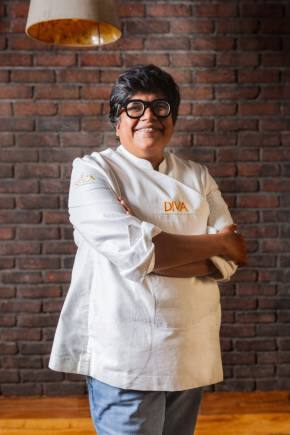 Chef Ritu Dalmia
Restaurants will shed flab: Rentals had gone crazy in the last year and that has been our biggest downfall. Restaurants will no longer be large format ones; they will be smaller in size and seating to ensure minimal losses if another pandemic or another crisis were to hit us.
Riyaaz Amlani, CEO & MD, Impresario Entertainment & Hospitality Pvt LtdRestaurants will attract higher customer loyalty: I believe trust and confidence in a brand will play a big role. The practice of trying out different restaurants or eateries in search of a discount will be altered. We will see a lot more customer loyalty.
Gimmicks will make way to the best in storytelling: Food-wise, health and wellness cuisine will play a big role. The fundamentals of business — good food, good service and good storytelling will be the winners. Other gimmicks will fade away.
Finance wise, 2021 will be the year of recovery and revival. The F&B business will go back to pre-COVID levels in the first quarter of 2022. Direct ordering from the restaurant brand and digitisation of processes will bring a big change in the hospitality sector.
Dining will emerge stronger: Our industry has gone through a devastating time during the lockdown, things are now looking up and consumer sentiment remains positive. While WFH (Work from Home) has changed some dynamics, people have acutely felt the loss of socialising.
They are stepping out and the confidence in dining-out at restaurants is back. There is always delivery, but the future of dining will always be stronger and better, and that will hold us in good stead.
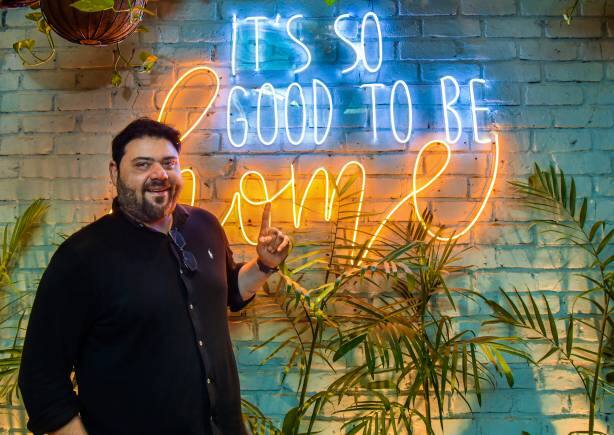 Riyaaz Amlani at Indiranagar SOCIAL
Luxury’s very definition has changed: People no longer associate luxury with high price-points and snob value. Luxury today is centred around authentic experiences.
Rachel Goenka, CEO & Founder, The Chocolate Spoon CompanyBespoke experiences will define luxury: A customised and bespoke experience or product always creates a more lasting impression. I don't think the pandemic has permanently altered my idea of luxury. Bespoke experiences are the need of the hour.
At The Sassy Spoon, we cater intimate dining experiences at home with customised menus. The decor and opulence are entirely dependent on the budgets people have.
Seasonal ingredients will allow restaurateurs to experiment: The immediate trend is a shift towards health-focused options and locally-sourced ingredients. While there is a lot of activity in the cloud kitchen space, we are seeing customer preference for ordering from established and known brands.
While two years seems to be the consensus for revenues to return to pre-COVID levels, the focus will always be on the customer. Now, more than ever, a restaurant experience will be about elevating customer experience on the food, service, customization and safety fronts.
Restaurateurs will restructure existing business models: They are likely to consolidate their brands to adapt to leaner operating structures. Rebranding may become a popular option, depending on the nature of the outlet. For example, nightclubs may transform into resto lounges.
It's a matter of tweaking existing business models and making them more suitable for the current environment.
 Rachel Goenka
There will be increasing support for local businesses:
The pace at which the focus has shifted towards quality over quantity has quickened. There is a new sense of responsibility about supporting local businesses, particularly given the effect the pandemic has had on people. I think that is a good change.
Gauri Devidayal, Founder and CEO - Food Matters India Pvt. Ltd.Stepping out to shop, eat and travel will be special: The pandemic has taught me what I truly can and can’t live without. Less is more now, for me at least. It’s not about spending less, but making the time when I do step out to shop/ eat/ travel, really special.
Trends, by definition, are fleeting: We spend all our time building timeless brands. But if I do have to identify something of which there is a growing awareness, it would be plant-based and cell-based foods.
Cell-based meats are not yet approved in India but with Singapore approving the first product; it will not be long before other countries will follow.
Home deliveries will endure: The segment shot up to unprecedented heights during the lockdown, but I believe it will endure and grow in the post-pandemic era. The F&B industry has adapted well by offering different menus or simply adopting technology and taking on delivery logistics. As far as dining-in goes, not much will change in the long-term.
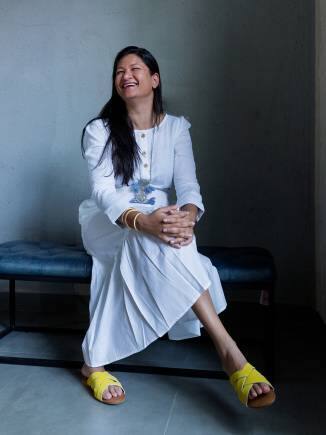 Gauri Devidayal
Consumers are ascribing more value to a better quality experience: In the delivery and dine-in segments, the demand from consumers for better quality experience would find a reference in better-sourced ingredients, hygiene considerations, ease of ordering, packaging and convenience of logistics few.
Experiential dining will be a more intimate affair, rather than large-scale events.
Zorawar Kalra, Founder & MD, Massive Restaurants Pvt. LtdArtisanal and bespoke workmanship will rule the luxury industry, from products to dining: The focus will be on high-quality materials, great design and incredible workmanship. While the definition of luxury is long-lasting, our consumption of luxury has reduced. It is time for us to regroup, reboot and hope for a quick rebound.
The restaurant industry has retooled and rekindled ourselves: It is important to ensure that a company that does not have excess fat or added costs. We will pay attention to every single thing in the P&L. Unit economics was always difficult to control in the restaurant industry.
The increase in efficiency will lead to higher profits. Some of the luxuries that we used to enjoy earlier, such as multiple levels of professional and legal help, will have to be controlled. In the pre-pandemic era, we were very sure we needed these resources. Now we realise that much of these services were outsourced and the need for them was not as big as we believed.
Good quality will always find a customer: The luxury consumer’s basic requirement for a beautiful product or experience will not change.
The income of a lot of people who consume luxury has been dented, so there might be a short-term blip in the spending. But I’m already seeing a big return of demand, especially for the high-end luxury items.
The big change will be in the hygiene levels: The need for maintaining sanitation and hygiene standards will endure. The stringent guidelines that have been laid down should remain in force even in a post-pandemic world. In general, a consumer’s expectation of service has changed.
Menus have become smaller and the number of people working in the restaurant industry has dropped. These changes will help the restaurant industry to curtail costs.
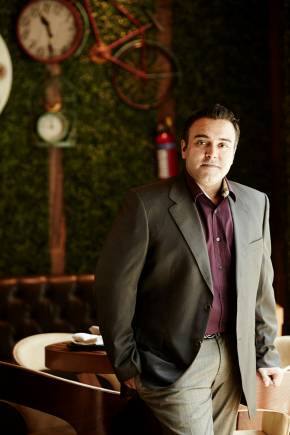 Zorawar Kalra
Small-scale restaurants and diners will gain traction: We will see a larger number of cloud kitchens and small restaurants emerge out of the debris. Large restaurants are like white elephants.
They have huge costs associated with them and sometimes, they aren’t able to offer good returns on investment. Restaurateurs will experiment with new formats that focus on lower price points and regional cuisine.

Discover the latest Business News, Sensex, and Nifty updates. Obtain Personal Finance insights, tax queries, and expert opinions on Moneycontrol or download the Moneycontrol App to stay updated!
Find the best of Al News in one place, specially curated for you every weekend.
Stay on top of the latest tech trends and biggest startup news.