






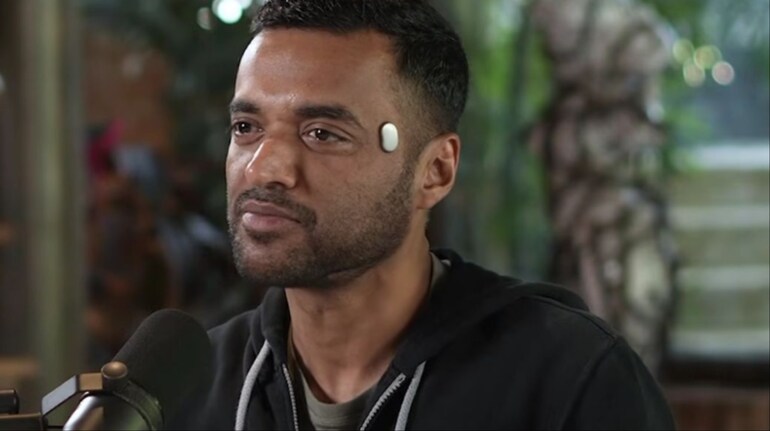
A hiring post by Deepinder Goyal, founder of Eternal, has triggered widespread backlash after it laid down strict body fat requirements for applicants to his wearable technology startup, Temple.
Internet questions legality of hiring process
Soon after the post began circulating, social media users questioned whether the criteria which require men to have body fat below 16% and women below 26%, or commit to reaching those levels within three months while remaining on probation were legally permissible under Indian hiring norms. Several users flagged the move as potentially discriminatory, arguing that physical attributes unrelated to job performance cannot be used as a filter in recruitment.
I’m so tired of Indian startup circles. First Bhavish’s BS, now this. This is deeply illegal, if you’re being discriminatory don’t be stupid enough to publicly post it. A very Indian trait is this deep focus on optics, not product. Mobile fNIRS is close to impossible and this is… https://t.co/gmsnbvAlvs— august (@augustradjoe) February 27, 2026
One widely shared response described the conditions as “deeply illegal,” warning that publicly advertising such requirements could invite legal scrutiny. The user argued that companies cannot exclude candidates based on body composition, especially for roles focused on engineering, design, or product development, where physical fitness is not an essential qualification.
As the debate grew, others questioned the logic behind linking body fat percentages to product quality. Some pointed out that many successful sports and health technology products have been built by teams that were not elite athletes themselves, stressing that empathy, skill, and craftsmanship matter more than personal fitness metrics.
The backlash also expanded to criticism of the broader ecosystem. One user compared the move to an instant food delivery company promoting extreme fitness standards, calling it contradictory given the role such platforms play in enabling unhealthy consumption. Others dismissed the venture itself, arguing that similar health-tracking technology already exists in consumer wearables and questioning the scientific basis of Temple’s approach.
However, Goyal in his post stressed that hiring philosophy behind Temple is that the product should be built by people who “wear what they build” and are willing to push their bodies in the same way the end users would. The idea, he said, was to create a team that lives the problem daily and is driven to perfect the product through firsthand experience.
Discover the latest Business News, Sensex, and Nifty updates. Obtain Personal Finance insights, tax queries, and expert opinions on Moneycontrol or download the Moneycontrol App to stay updated!
Find the best of Al News in one place, specially curated for you every weekend.
Stay on top of the latest tech trends and biggest startup news.




