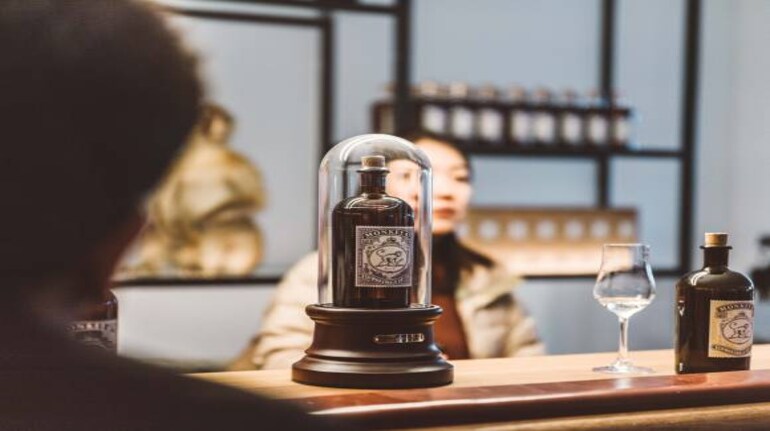
Did you know that India is intrinsically linked to the history of gin, particularly the iconic drink Gin and Tonic?
In the 1700s, malaria was a raging disease that killed thousands of people in the country. The bitter quinine was the only medicine that could save the British soldiers posted in India’s marshy swamplands. To make it palatable, they sweetened the quinine with sugar, diluted it with water, and added gin they had brought from England. Thus was born the famous Gin and Tonic.
Monkey47 itself has a direct India connection: it was inspired by a secret gin recipe left behind by Madras-born Wing Commander Montgomery (Monty) Collins of the Royal Air Force, son of a British diplomat, who served time in Germany before retiring in the Black Forest region.
I was thinking about these fascinating pieces of disparate information while Zachary Connor de Git, brand ambassador of Monkey47, and the rest of the team steered us around the delightful distillery back in February before travel became an out-of-reach luxury due to the pandemic. But before the distillery itself, a few details about India’s market for Monkey47. A 500ml bottle of Monkey47 would cost Rs 5,000 in India, whereas any regular gin is not more than Rs 1400.
India’s burgeoning gin marketThe country is the world’s fifth-largest gin market. After the British left the country, the spirit somewhat went into a tailspin and came to be identified as a “ladies drink”. But with the growing experimental bar culture and the exclusive gin bars that mushroomed before the lockdown, it saw some sort of renaissance. Hotels now boast exclusive gin bars—Juniper in Andaz Delhi, Toast & Tonic in Bengaluru and Mumbai, Gin Bar by Jyran in Sofitel Mumbai, and Sky Granny in Bengaluru and Delhi.
Pernod Ricard (which owns Monkey47) India launched the eponymous Schwarzwald Dry Gin in 2018. In the past two years, it has captured an 18 percent market share in the country according to Canadean, who offer market research and consulting services to the global beverage industry.
Monkey47 comes wrapped in history, heritage, fine craftsmanship, and the aromas of 47 botanicals (that is where they get part of the name from) it is infused with. It’s a batch-distilled, handcrafted spirit that fuses British traditions, the exoticism of Indian spices, aromas of the botanicals, and the genius of the Monkey47 founder, Alexander Stein, who continues to helm the brand.
So, a trip to this distillery was on my agenda while in Germany.
The drive to the distillery is on smooth roads that slice through the dense Black Forests — called Schwarzwald in German, which are home to lush green meadows, evergreen forests, cuckoo clock workshops and bakeries that sell their famous product, the decadent Black Forest cake. It is a world out of the pages of Grimms’ Fairy Tales, written by Grimm Brothers, who were born in the region.
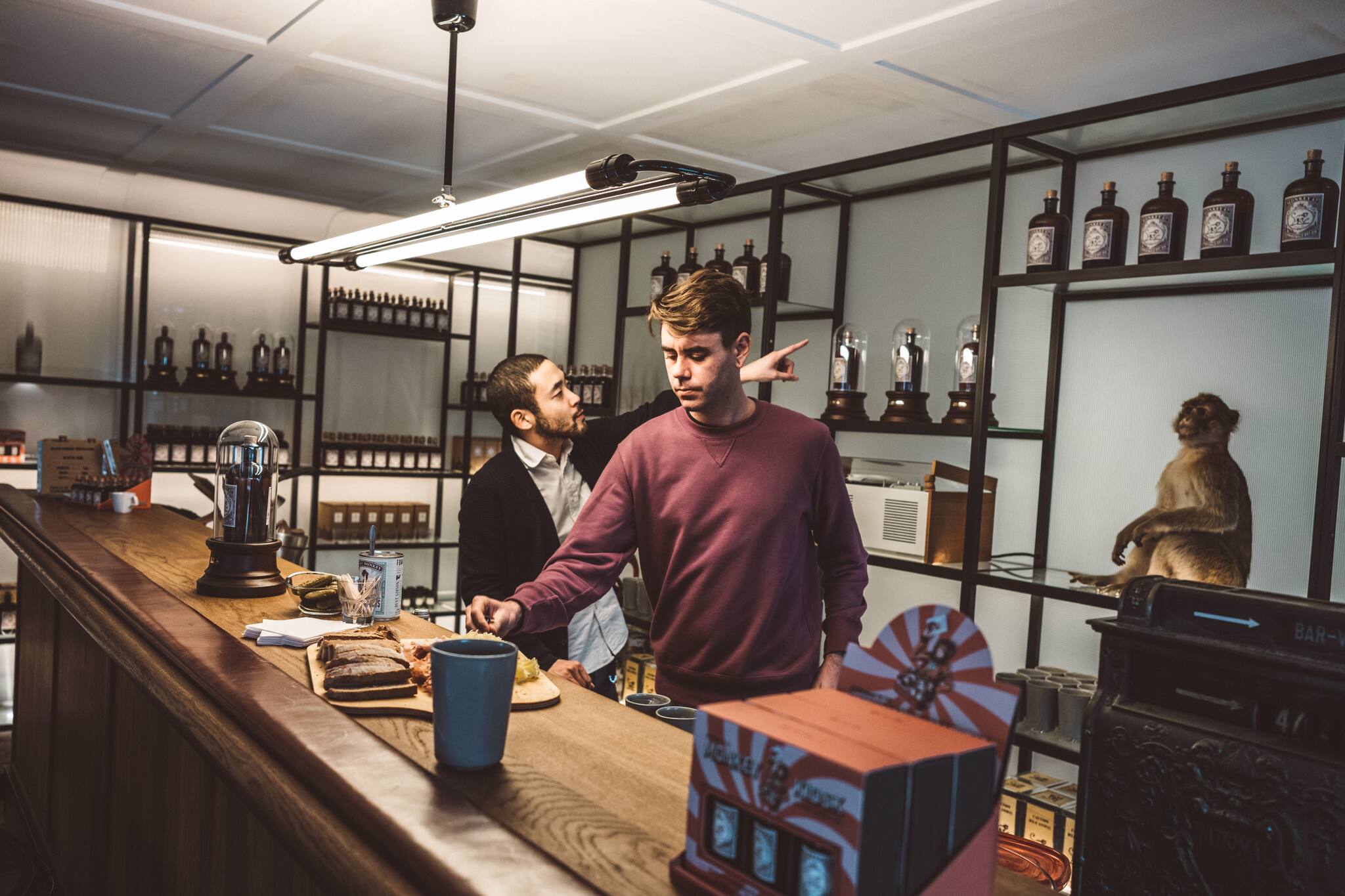
For a spot of history: Monkey47 is named after a simian called Max, once a resident of Berlin Zoo, who ended up being a companion to Wing Commander Montgomery Collins. In 1945, when Collins retired and moved to the Black Forest region, he brought Max along with him. He spent his days using the forests as an inspiration and source to create his recipe of a rudimentary gin. In it went the pungent, peppery, pine-like juniper that grows wild and fresh spring water.
 Much after his death, some people discovered an old box with a bottle of the gin and a letter, which talked about “Max the Monkey – Schwarzwald Dry Gin”. Eventually, the recipe reached Alexander Stein, who founded the boutique brand, Monkey47, in 2008. Max has been an emblem of the brand ever since.
The tasting room of Zum Wilden Affen (German for ‘The Wild Monkey’) holds an eerily life-sized sculpture of a monkey. Or so I thought till someone pointed out that it was taxidermy, though not of Max. Moving on then! Designed by architect Philipp Mainzer, co-founder of the furniture studio e15, this was not the brand’s first home. But when Stein chanced upon an old picturesque farm, he decided to move it from the nearby Stählemühle distillery. The forests-fringed complex houses spaces for maceration, storage and tasting.
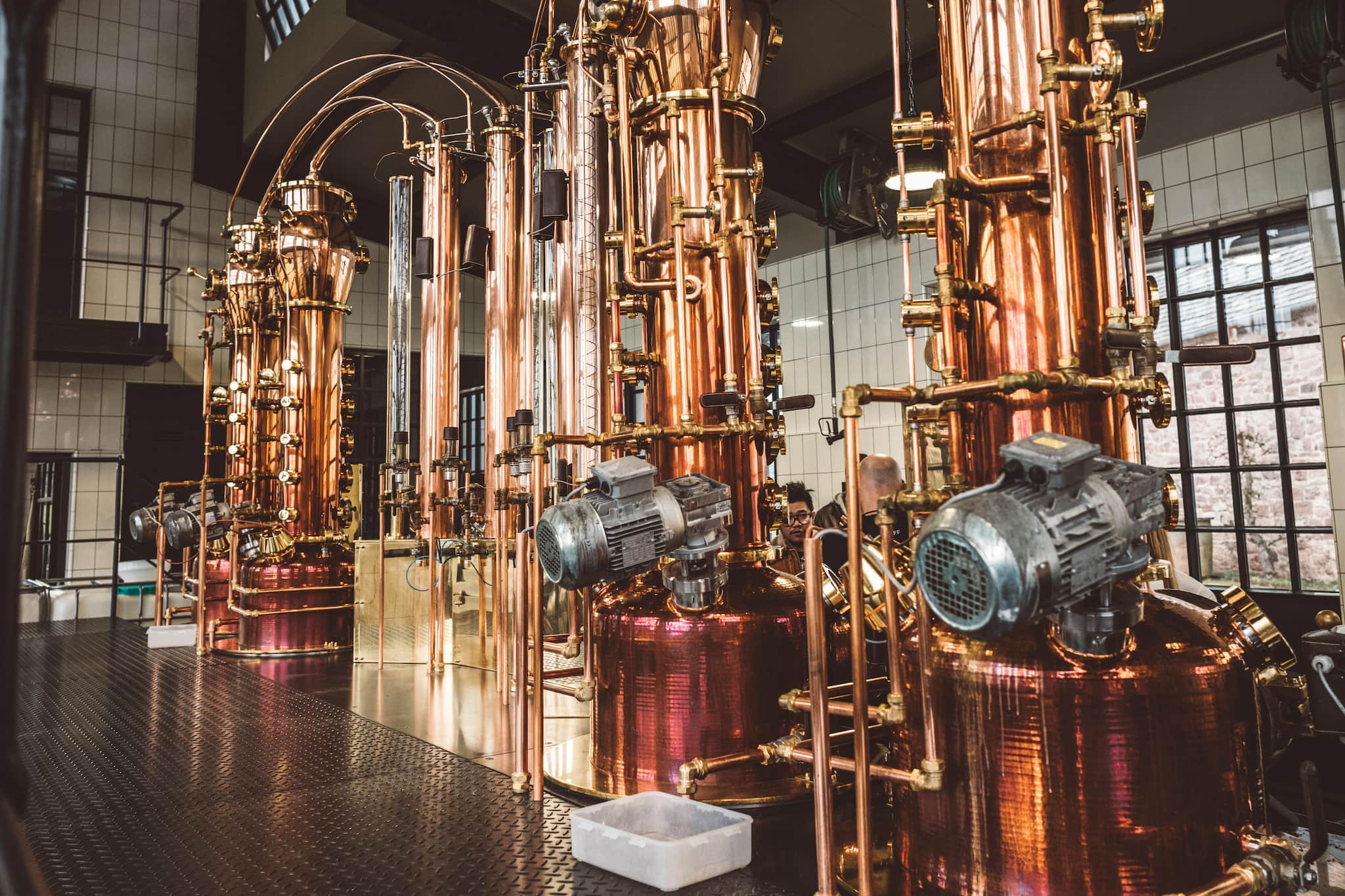
The existing structures, such as an atmospheric stone building and a barn, were demolished and rebuilt as mirror images of the old, using traditional materials and craftsmanship. The distillery is picture-perfect: glass windows reflecting sprawling bristlecone pine-laden forests. Within is a gigantic, gleaming copper still created bespoke by Stein and Keller in collaboration with coppersmith and pot-still expert Arnold Holstein.
About those botanicals“Forty-seven botanicals go into making your gin,” Zachary tells us as he takes us through the maceration, distillation and percolation processes. “Maceration is a handcrafted process. The fruits we use are peeled by the local women instead of machines and then blended in drums,” he says, as he hands over the fresh, plump mandarins for us to peel.
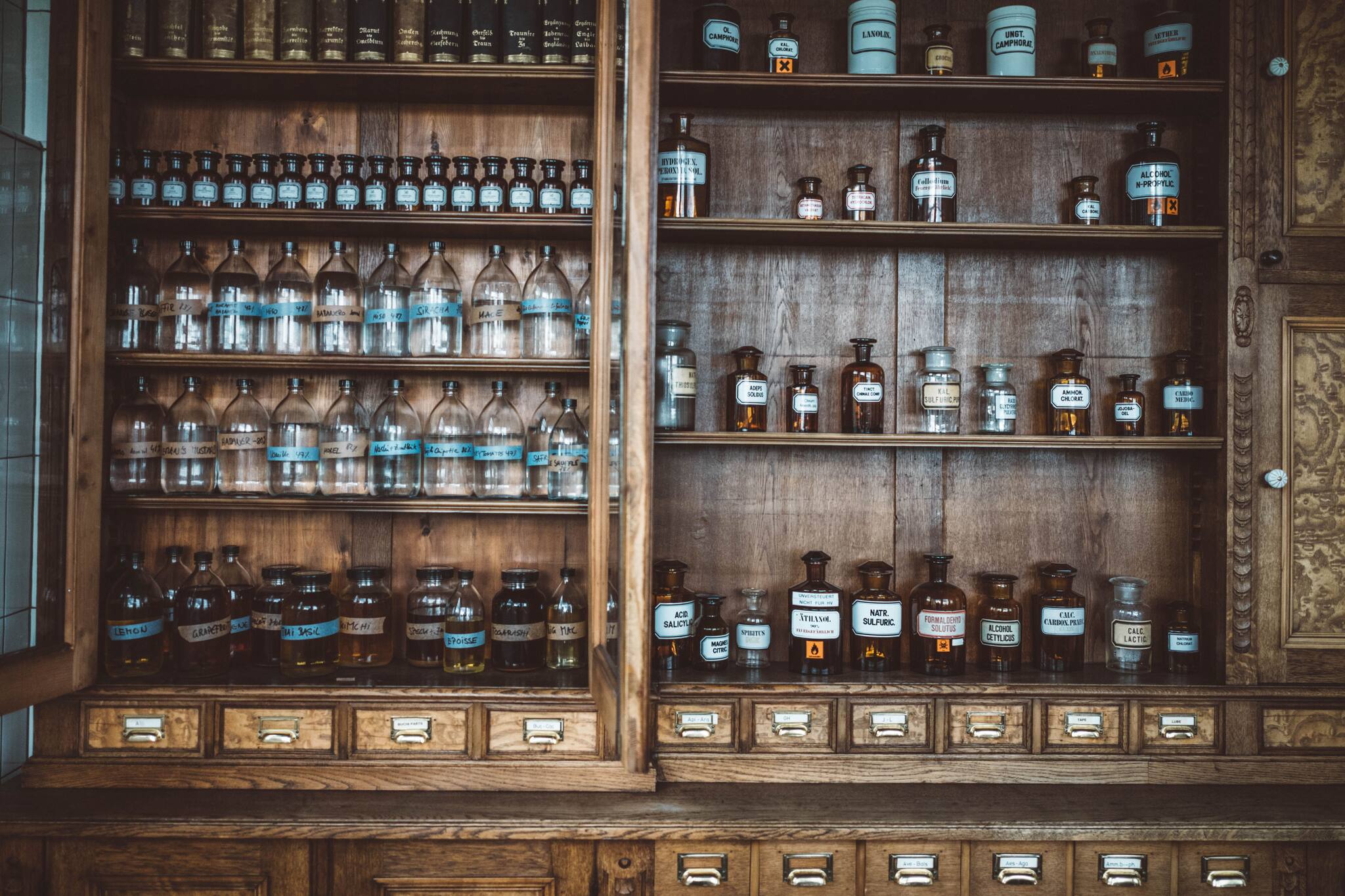
The range of botanicals that go into making a Monkey47 gin is staggering: foraged juniper, blossoms of acacias, jasmine, wild honeysuckle, bramble leaves, herbs such as chamomile and sage, hawthorn berries, lingonberries, and from India, coriander, musk seed, cardamom, cloves and nutmeg. Mandarin, lemon peels and grapefruit peels are added for the citrusy flavour.
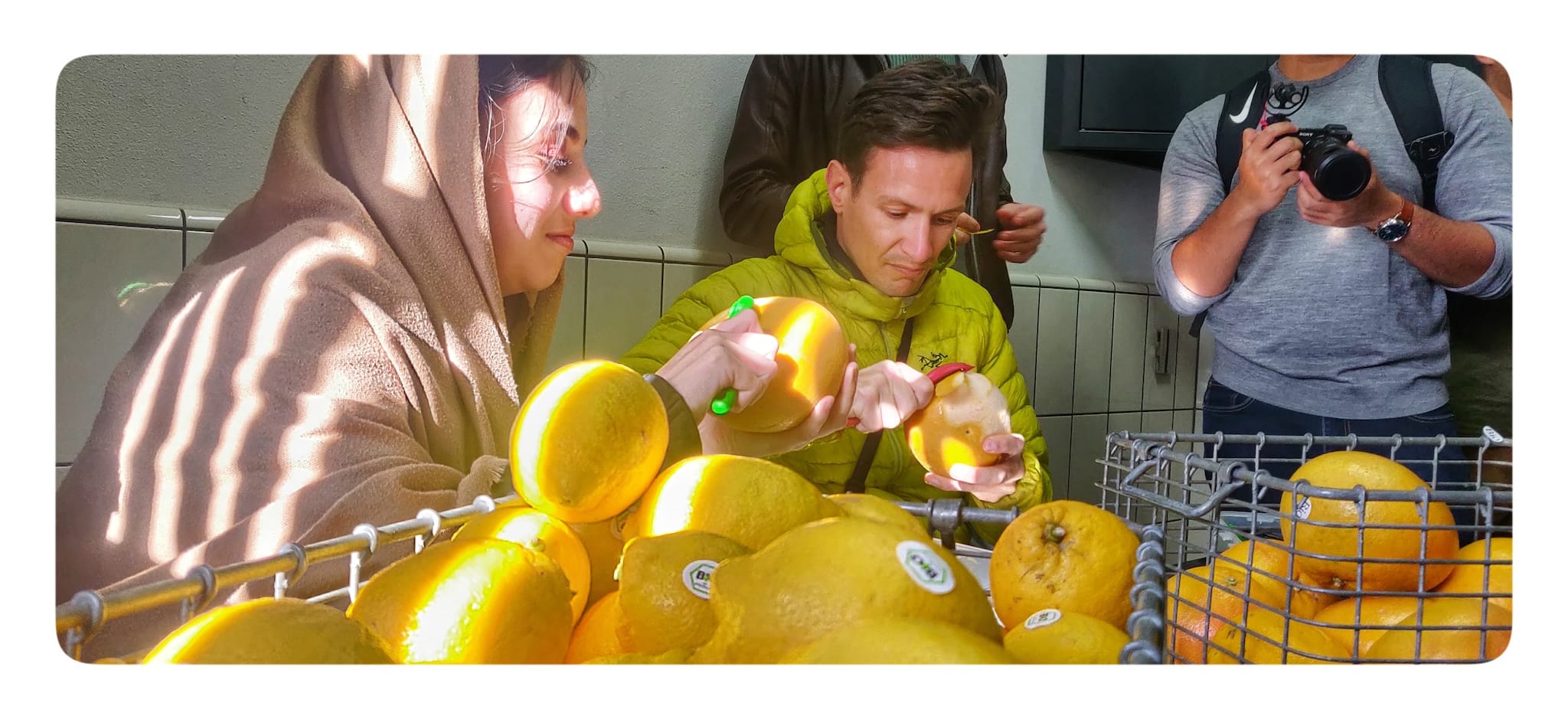
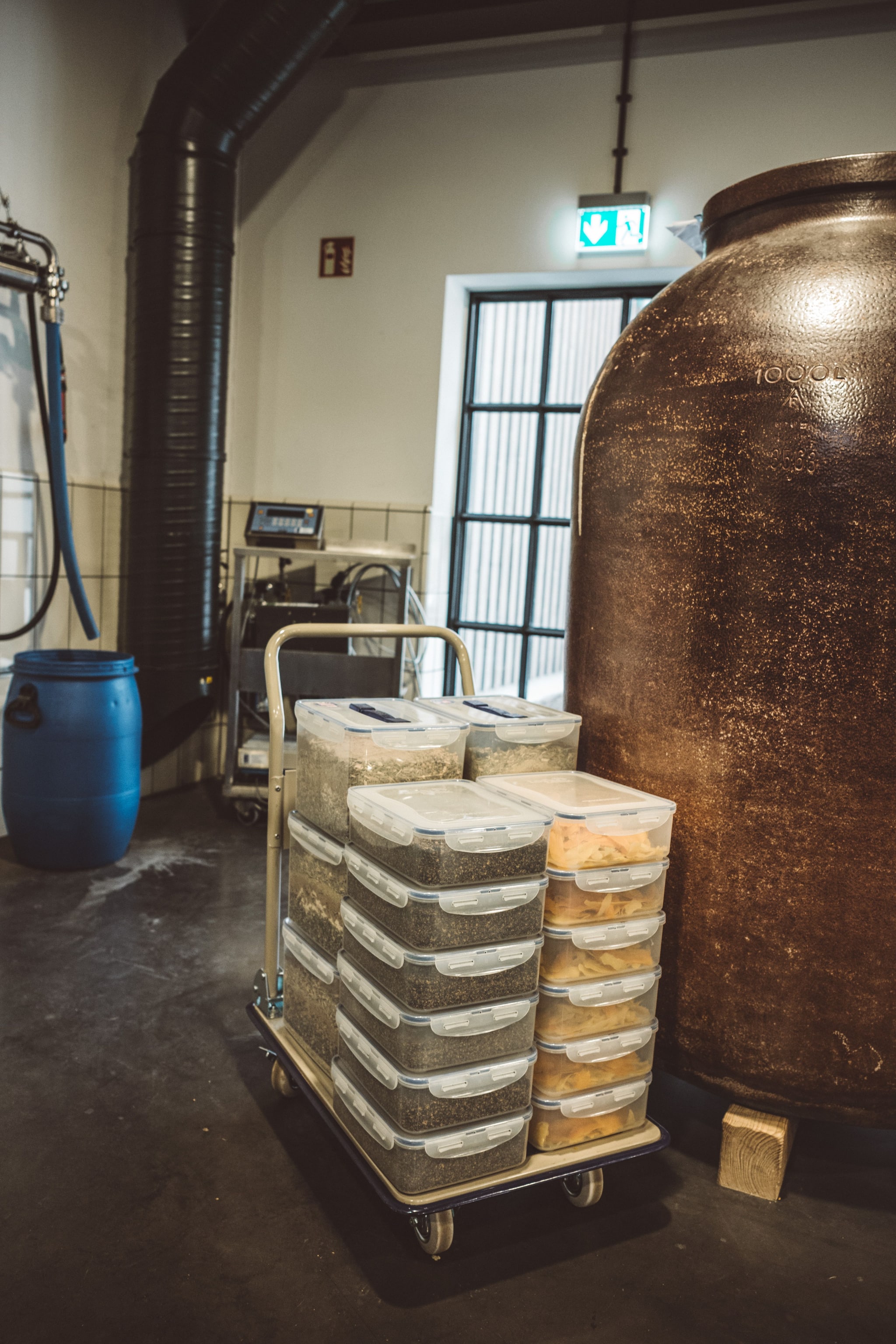
The botanicals are steeped in warm ambient temperature of 20 degrees, in a mix of highly rectified ethyl alcohol and spring water, for at least 36 hours in art tight containers. While botanicals such as lingonberries, juniper, sloe berries and angelica seeds are ground up before macerating, peppercorns in a secrete ratio are added to each batch. After the steeping process, spring water and ethyl alcohol are blended with the macerate in drums, along with extracted oils, and hand-spun together.
There is a science behind the botanicals that are chosen to go into a Monkey47 Schwarzwald Dry Gin. All literature that the brand hands out mentions the role played by olfactory data that assail us every day, in our perception of things. And Monkey47 gins are aroma-rich.
We move from the maceration process to distillation in the copper stilt. As complex as the botanicals mix, it involves distilling the macerate and using steam extraction to channel alcoholic vapours through fresh botanicals. This way, the master distiller can coax out individual notes of the ingredients, each in perfect balance with the other.
Maturing the ginIs gin matured? Many believe it isn’t, but Monkey47 Schwarzwald Dry Gin is matured for 100 days in amphora-like earthenware vessels to achieve a soft, rounded and balanced taste. “The bottle in which the gin is sold has been inspired by an old pharmacy decanter that Stein spotted in a Stuttgart flea market,” says Zachary, turning around one in his hand to see the light from the expansive windows hit it and bounce off.
Some of these bottles have seen me through three months of lockdown. There is the classic SchwarzwaldDry Gin, The Experimentum Series, the smoky The Distiller’s Cut, the 10 Year anniversary Monkey47 editions, and my rank favourite, Schwazerwald Sloe Gin, infused with sloe berries or blackthorn. Foraged from the forests around, a process that leaves your hand stained a lovely purple, they are macerated in Monkey47 Schwazerwald Dry Gin.
The myth in these parts is that once blackthorn hedges were grown around farmsteads and other properties to protect them from the baleful gaze of witches. I would rather have the sloes in my gin.
If you ever find yourself in the Black Forest once travel restrictions lift:
The forests can be explored on foot. Traube Tonbach in Baiersbronn is home to two Michelin-starred restaurants, Köhlerstube and Schwarzwaldstube, and hosts evening cooking classes. We learnt how to make the Swabian native dish, Spaetzle, a popular pasta-like dish made with eggs, flour and nutmeg, and the moist Black Forest cake that oozes with layers of cream.
The Black Forest region offers an interesting culinary journey. It took me for a sumptuous lunch at the distillery where we ate maultaschen, or pasta pockets stuffed with minced meat, in a delicious broth. It is a dish associated with Lent when meat-eaters hid the meat in the pockets.
Log cabin dining is a norm in the region: At the hotel, Blockhutte (log cabin) served an elaborate meal of local vegetables, meat, soups and salads. One day, we drove to another log cabin in the middle of the forest, which serves soups with little chicken pieces, spaetzle, and the native delicacies.
Recommended also is a walk around the Mummelsee Lake, the frozen surface of which hides mermaids with supernatural powers, as local legend states. It even has a bronze mermaid sculpture poised on a rock. And a walk in the forests through gnarled hazel and fir trees, one of them almost 200-years old, its intricate root network covering the forest floor.
Deepali Nandwani is a journalist who keeps a close watch on the world of luxury.
Discover the latest Business News, Sensex, and Nifty updates. Obtain Personal Finance insights, tax queries, and expert opinions on Moneycontrol or download the Moneycontrol App to stay updated!
Find the best of Al News in one place, specially curated for you every weekend.
Stay on top of the latest tech trends and biggest startup news.