Palle Pragathi-Pattana Pragathi is a comprehensive rural and urban development program launched by the Telangana government. The aim of this program is to provide necessary amenities and infrastructure facilities to both rural and urban areas of the state.
Under this program, the government has taken various initiatives to develop villages such as constructing parks in every village, providing a plant nursery, and establishing Rythu Vedikas where farmers can meet and discuss their issues related to agriculture. The government has also provided facilities like Vaikuntka Dhamam for cremation and dumping yards for sanitation in each of the Gram Panchayats.
In addition to rural development, the program also focuses on urban development. Better roads, proper street lighting, and potable drinking water are provided in municipalities and cities. The government has released a sum of Rs. 256.66 crores every month to rural local bodies to facilitate the implementation of various development programs.
Moreover, in tune with the persistent demand of tribals to declare their Thandas and Tribal Gudems as Gram Panchayats, the government has upgraded them raising the number of Gram Panchayats from 8690 to 12769. This initiative has helped in ensuring that tribals have access to basic amenities like drinking water, electricity, and proper sanitation.
Overall, Palle Pragathi-Pattana Pragathi is an innovative program that has helped in the comprehensive development of both rural and urban areas of Telangana. The program has brought about a significant improvement in the quality of life of people, especially those residing in rural areas.
Municipal Administration and Urban Development is one of the key focus areas of the Telangana state government, aimed at improving the quality of life for people living in urban areas of the state. The government has taken several measures to streamline the functioning of municipalities and to promote industrial growth in the state.
One of the significant steps taken by the Telangana government is the enactment of the "Telangana Municipalities Act 2019." This act aims to increase compliance with laws among citizens, promote accountability among officials, and eliminate corrupt practices. The act provides for the constitution of municipalities in accordance with part IX-A of the Indian Constitution. It also mandates random audits, and any citizen or official deviating from the rules will be penalized. The act has helped in improving the overall governance of municipalities and delivering effective services to people living in urban areas of the state.
The Telangana State Industrial Project Approval and Self Certification System (TS-iPASS) is another significant initiative taken by the government to promote industrial growth in the state. It is an online, single-window clearance system for industries to obtain all necessary approvals from various departments of the government. The system ensures that the application for an industry is processed in a limited period of time, and all approvals are granted through the TS-iPASS. This system has been a game-changer for the industrial sector in the state, and it has helped in the quick permission of 19,549 industries.
Additionally, the state government has also focused on providing 24-hour high-quality power supply to industries, which has led to an increase in production in the industrial sector. These measures have contributed significantly to the overall development of the state's urban areas and the growth of the industrial sector.
The Telangana Municipalities Act 2019 introduced several key reforms to improve the functioning of urban local bodies in the state. One of the major changes was the division of municipalities into three categories based on their population - the Greater Municipal Corporations, Municipal Corporations, and Municipalities. Each of these categories has different powers and functions based on their size and complexity. The act also provides for the establishment of a State Election Commission to conduct local body elections, and a Municipal Administration Tribunal to adjudicate disputes related to municipal governance.
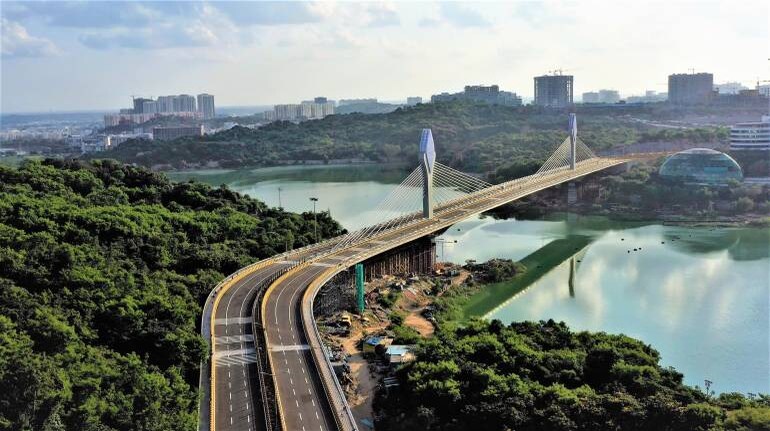
The state government has also launched several initiatives to improve urban infrastructure and services. One of the key programs is the Strategic Road Development Program (SRDP), which aims to develop a network of multi-level flyovers, underpasses, and elevated corridors to ease traffic congestion in the state's major cities. The SRDP is being implemented in Hyderabad, Warangal, and other cities in a phased manner.
Another important initiative is the Telangana State Industrial Project Approval and Self-Certification System (TS-iPASS), which aims to facilitate speedy clearance of investment proposals and promote ease of doing business in the state. Under this system, investors can submit their proposals online and receive approvals within a stipulated timeframe. The system also includes a self-certification mechanism, which enables industries to obtain clearances and licenses through a self-declaration process.
The state government has also taken several measures to improve urban infrastructure, such as providing 24-hour power supply to industries, constructing new roads and bridges, and upgrading water supply and sanitation facilities. The government has also launched a Smart Cities Mission to develop 10 cities in the state as smart cities, with improved infrastructure, technology-enabled services, and sustainable development.
Moneycontrol journalists were not involved in the creation of the article.
Discover the latest Business News, Sensex, and Nifty updates. Obtain Personal Finance insights, tax queries, and expert opinions on Moneycontrol or download the Moneycontrol App to stay updated!
Find the best of Al News in one place, specially curated for you every weekend.
Stay on top of the latest tech trends and biggest startup news.