






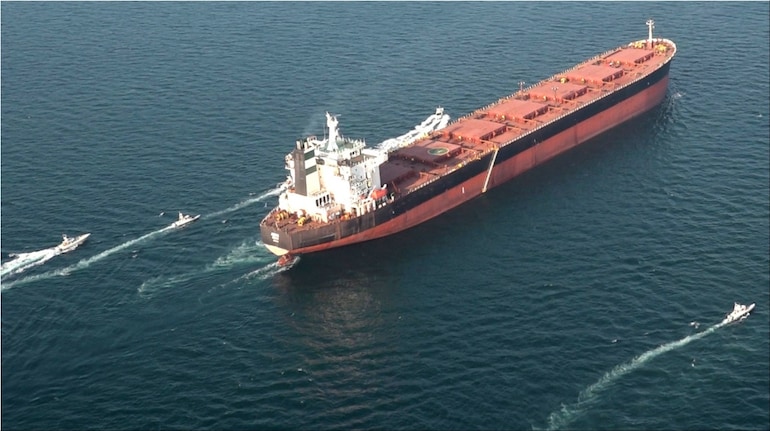
Ships navigating the Strait of Hormuz during the ongoing Iran–US–Israel conflict have discovered an unexpected form of protection—changing their transponder identity to appear “Chinese” or “Muslim”, Fortune reported. The strategy has emerged as tanker traffic nearly collapsed amid Iranian missile and drone attacks targeting vessels in the region. The Strait of Hormuz lies between the Persian Gulf and the Gulf of Oman and is one of the world's most strategically important choke points.
With about 20 percent of the world’s oil and LNG passing through the strait, captains willing to risk the journey face soaring freight rates. One China‑bound super‑tanker can earn $500,000 (about Rs 4.5 crore) a day, Fortune noted, creating enormous incentives to attempt the crossing despite danger.
Over the past week, according to MarineTraffic data cited by Fortune, at least 10 ships altered their transponder signals, adopting labels such as “Chinese Owner,” “All Chinese Crew,” or “Chinese Crew Onboard.” One vessel, the Iron Maiden, briefly identified itself as “China owner” while racing through the strait.
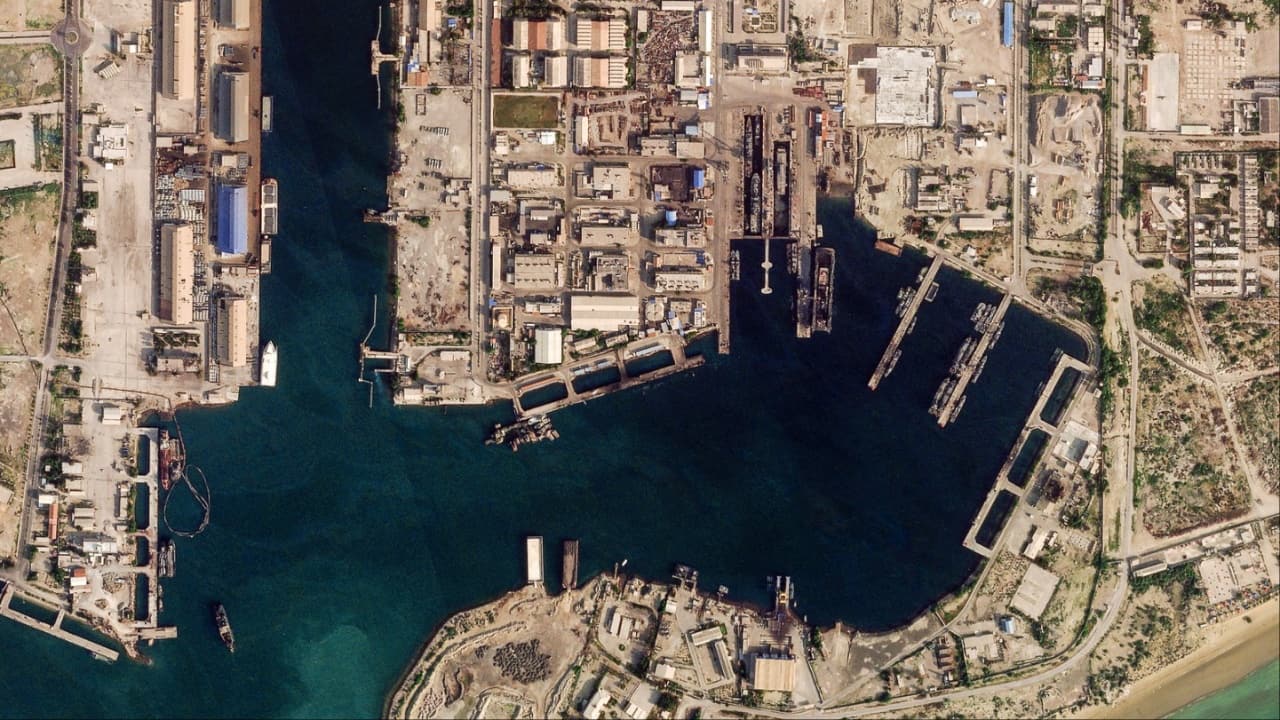 This handout satellite image taken by 2026 Planet Labs PBC shows damage at the military harbour in Iran's southern port of Bandar Abbas along the Strait of Hormuz on March 4. (Image credit: AFP)
The tactic appears to exploit Iran’s dependence on China: half of China’s oil imports transit the Strait of Hormuz, while 90 percent of Iran’s oil exports ultimately reach China, often routed through third countries to avoid sanctions. Tehran, sensitive to harming a key economic partner, seems less inclined to target ships presenting themselves as linked to China.
Some ships have also adopted religious or cultural identifiers. Fortune highlights a fuel tanker, Bogazici, which crossed the strait temporarily broadcasting “Muslim Vsl Turkish.” This suggests that ships are experimenting with broader identity masking—beyond nationality—to deter Iranian hostility.
Meanwhile, US policy responses appear insufficient to reassure shippers. Although President Donald Trump announced a $20 billion reinsurance program and promised naval escorts if necessary, “Wall Street remains unconvinced,” Fortune reported. On a typical day, 60–90 tankers pass through the strait, but the sharply reduced US Navy presence has left captains skeptical that American protection would arrive in time.
The result is a surreal maritime workaround: in one of the world’s most militarised waterways, the strongest shield for a commercial vessel is not an American destroyer but a line of text in a transponder—"Chinese," "Muslim," or both.
Discover the latest Business News, Sensex, and Nifty updates. Obtain Personal Finance insights, tax queries, and expert opinions on Moneycontrol or download the Moneycontrol App to stay updated!
Find the best of Al News in one place, specially curated for you every weekend.
Stay on top of the latest tech trends and biggest startup news.




