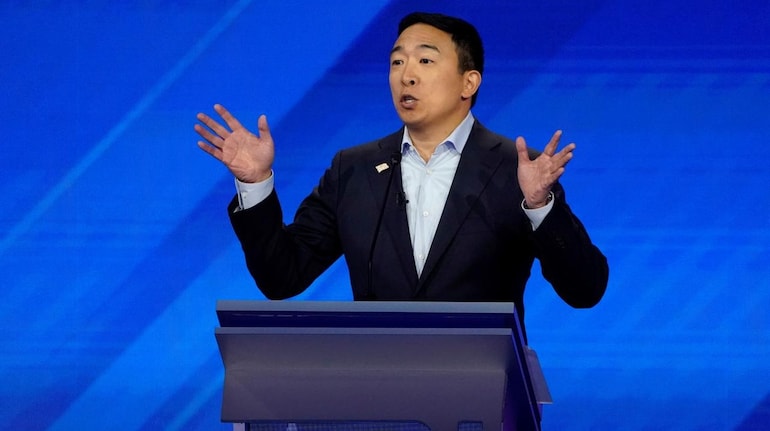
Andrew Yang has never been shy about sounding the alarm on automation, but his latest warning about artificial intelligence is blunt even by his standards. He says AI is about to trigger what he calls a “great disembowelling” of white-collar jobs, and he believes it could unfold within the next 12 to 18 months.
Speaking about the rapid expansion of AI tools across industries, Yang argued that companies are moving far faster than many employees realise. Tasks once considered safe because they required analysis, writing or technical judgment are now being handled by generative AI systems that can draft reports, code software, analyse contracts and even respond to customer queries with surprising fluency.
Yang’s core argument is simple. Once one major company significantly reduces staff by leaning heavily on AI, competitors will feel pressure to follow. In his view, layoffs will not happen in isolation. They will spread as firms race to cut costs and boost margins.
He has described this looming displacement wave in visceral language because he wants people to grasp the scale of the disruption. The concern is not just about entry-level roles or routine back-office functions. Accountants, marketers, legal associates, programmers and analysts could all see parts of their work automated or restructured.
Economists remain divided on how severe the impact will be. Some studies suggest AI will reshape jobs rather than eliminate them entirely, with workers shifting toward higher-value tasks. Others warn that certain roles could shrink sharply before new ones emerge, creating a painful transition period.
Corporate earnings calls over the past year have increasingly featured references to AI-driven productivity gains. Technology companies, banks and consulting firms are already experimenting with reducing hiring needs by deploying AI internally. In some cases, executives have openly acknowledged that automation allows them to do more with fewer people.
Yang’s broader concern is that policy and public conversation are lagging behind reality. He has long advocated for measures such as universal basic income to cushion the blow of automation. Whether or not his timeline proves accurate, the speed of AI adoption is undeniable.
For millions of workers who assumed their college degrees and office jobs placed them on solid ground, the next year could test that assumption. The debate is no longer about whether AI will change work. It is about how quickly, and who will feel it first.
Discover the latest Business News, Sensex, and Nifty updates. Obtain Personal Finance insights, tax queries, and expert opinions on Moneycontrol or download the Moneycontrol App to stay updated!
Find the best of Al News in one place, specially curated for you every weekend.
Stay on top of the latest tech trends and biggest startup news.