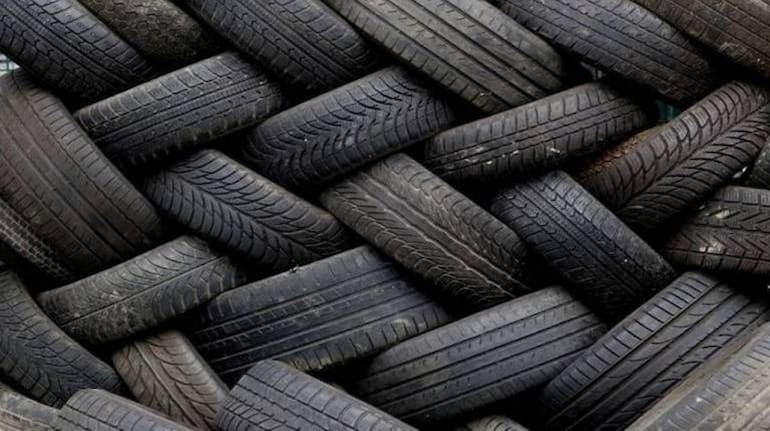
The Indian tyre sector is riding the crest of increased demand for passenger cars, which has helped it overcome comparatively weak trends in other segments.
The second and third quarters of the current financial year (FY24) have shown an uptick in the sales of passenger car radials (PCR) in both original equipment manufacturer (OEM) and replacement segments. But the truck and bus radials (TBR), two- and three-wheeler categories, and agri-tyres have lagged.
"The PCRs have grown by 8-10 percent in the last two quarters. The two- and three-wheeler tyres and TBRs have grown by 6 and 5 percent, respectively. But agriculture vehicle tyres have shown negative growth,’’ said Rajiv Budhraja, Director General of the Automotive Tyre Manufacturers’ Association (ATMA). A year ago, TBR sales grew almost at the level of PCRs.
The flurry of launches in passenger cars, particularly in sports utility vehicles (SUVs), has ensured robust demand for OEM tyres. "Even during the recent state election campaigns, more SUVs were in use than buses or trucks,’’ Budhraja pointed out.
However, the performance of the heavy commercial tyre segment, which accounts for a significant chunk of the revenue of tyre makers, has not lived up to the expected level of the industry.
"The change in tonnage capacity, with bigger vehicles carrying more load instead of several smaller ones, has affected sales. Also, after the elections, it is uncertain whether state governments in Chhattisgarh and Madhya Pradesh, where a lot of mining activities take place, will bring a change in the mining policies, which could affect tyre sales,’’ Budhraja said.
As a result of the sluggish demand from the heavy commercial segment and also changing trends in raw material prices, many tyre companies are operating at 80-85 percent capacity.
"It has been a roller coaster as far as the cost of production is concerned. If the input prices were high in Q1, they were muted in the next, while they showed signs of going north in Q3 before softening again. The synthetic rubber prices have softened in recent times, but it will take some time for them to reflect on the cost of production,’’ said Ashish Pandey, Senior VP, Materials, JK Tyres.
Export woes
Another worry for the tyre industry is the bearish trend in exports. Tyre exports had grown at 9 percent in FY23, which was a huge decline from the 50 percent growth achieved in the previous year. The current year has seen exports slacken further as many Western nations encounter recessionary trends. India is facing stiff competition from China on the tyre export front.
Last December, India withdrew the anti-dumping duty imposed on the import of cheaper Chinese tyres in 2020.
"After the imposition of duty, China began re-routing the exports through Thailand and Vietnam. With importers looking to cut costs, this has put pressure on Indian prices in the EU and US markets,’’ Pandey said. With the economic situation in many Western countries looking wobbly, price has become the deciding factor for imports, he pointed out.
As for natural rubber (NR), a primary raw material for the industry, consumption has been increasing at a greater pace than production. As per the latest Rubber Board figures, consumption has gone up by 6.2 percent to 8,37,000 tonnes year-on-year (YoY) during April–October FY24. For the same period, production has grown at just 2.4 percent to 4,35,000 tonnes.
The overall consumption of rubber (both NR and SR) has registered more growth in the non-tyre segment. In FY23, the tyre segment recorded a 3.6 percent growth in consumption over the previous year. It was much higher at 15.7 percent for the non-tyre segment.
However, the high duty on inputs such as carbon black and rubber chemicals has been a problem, according to Shashi Singh, Senior Vice President of the All India Rubber Industry Association. "AIRIA members who are from the MSME sector are constantly facing the undue disadvantage of the high input cost of materials versus marginal import duties on finished products. Consequently, they are facing a threat of imports of finished goods from China and ASEAN countries,’’ he said.
NR prices have been hovering around Rs 150 per kg in the ongoing peak tapping season, which is witnessing slightly slack demand. The growers feel it is inadequate considering the increase in the cost of production. Though the price stabilisation scheme in Kerala, the largest rubber producer in the country ensures Rs 170 per kg to the small grower by subsidising the difference with the market price, the delay in payment is still a problem. The Kerala government earmarked Rs 600 crore in the last budget for the scheme.
"To help the growers, the Central government can come out with a larger pool of funds of around Rs 2,500 crore to ensure a price of Rs 200 for the rubber grower in Kerala. It can use the amount to subsidise the grower and help him supply NR at the market price to the tyre companies. It benefits both the growers and the consumers,’’ said major rubber dealer N Radhakrishnan.


Discover the latest Business News, Sensex, and Nifty updates. Obtain Personal Finance insights, tax queries, and expert opinions on Moneycontrol or download the Moneycontrol App to stay updated!
Find the best of Al News in one place, specially curated for you every weekend.
Stay on top of the latest tech trends and biggest startup news.