-
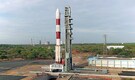
PSLV-C62 Launch: ISRO launches PSLV-C62 with powerful surveillance satellite
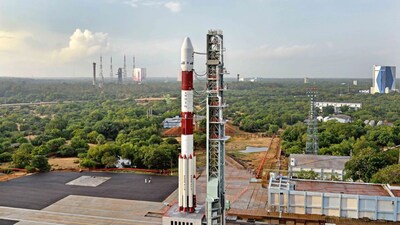
ISRO has launched the PSLV-C62 rocket carrying the Anvesha hyperspectral satellite on 12th January 2026. The mission strengthens India’s Earth observation, defence surveillance and climate research capabilities from space.
-

ISRO detects tiny interplanetary particles with ground-breaking DEX experiment
ISRO’s Cosmic Dust Experiment detects interplanetary particles in orbit, revealing hidden cosmic traffic, advancing India’s space science and providing global insights into space hazards and satellite safety.
-
Chidambaram backs ISRO after PSLV-C61 setback, says agency will bounce back
“ISRO will bounce back, as it has done before,” he said, extending his best wishes to the organisation.
-
India practises space 'Dogfight' as ISRO’s twin satellites dance 500km above Earth
ISRO’s latest mission is staging a rare and precise dogfight in space — a high-speed manoeuvre that echoes the aerial duels of fighter jets, only this one unfolds in the vacuum of space.
-
How ISRO Challenges Global Space Mission Budgets: 7 Projects That Shocked the World with Their Cost-Effectiveness
ISRO has consistently delivered extraordinary results, proving that great things can come from modest investments. Here’s a look at seven standout missions that highlight ISRO’s prowess in space exploration.
-
ISRO develops light-weight, innovative nozzle for rocket engines, terms it 'breakthrough'
The potential impact of this development is significant, particularly for the ISRO's workhorse launcher, the Polar Satellite Launch Vehicle
-
'Another milestone': ISRO rocket accomplishes zero orbital debris mission
This was achieved on March 21, when the PSLV Orbital Experimental Module-3 (POEM-3) met its "fiery end" through a re-entry into the Earth's atmosphere.
-
Here comes the Sun: All you need to know about ISRO's Aditya-L1 which successfully performed second Earth-bound manoeuvre
ISRO launched the Polar Satellite Launch Vehicle, which will study the Sun, from Sriharikota on September 2 in one of its longest flights into a highly eccentric orbit around Earth. On September 5, it successfully underwent a second Earth-bound manoeuvre.
-
Hello, sun-shine: Here's a look at Aditya L1's successful launch
Aditya-L1 has been successfully put into its immediate orbit and will take up to four months to reach L1, where the seven payloads its carrying will study solar flares and sun's magnetic field among others
-
Will transfer SSLV to industry, says ISRO chairman S Somanath
The SSLV injected the ISRO’s EOS-07 satellite, US-based firm Antaris’ Janus-1 and Chennai-based space start-up Space Kidz’s AzaadiSAT-2 satellites into a 450-km circular orbit.
-
Elon Musk congratulates ISRO for successful PSLV launch of Singapore satellites
Elon Musk's tweet comes after ISRO successfully launched two Singapore satellites and carried out a technical experiment as part of its cost-saving efforts in satellite deployment in orbits, named POEM 2.
-
Aditya-L1: All you need to know about India's first space mission to study Sun
Aditya-L1, India's first mission to study the Sun, is set to be launched by the Indian Space Research Organisation (ISRO), by June or July this year.
-
PM Modi congratulates ISRO, NSIL on successful PSLV C54 mission
The mission, which was PSLV's 56th flight, is said to be one of the longest ones undertaken by the Bengaluru-headquartered space agency.
-
Dhruva Space to test satellite deployer onboard ISRO PLSV-C53 on June 30
Dhruva Space will be testing their satellite deployers on ISRO's PSLV-C53 ahead of launching their own satellites Thybolt-1 and Thybolt-2 on the PSLV-C54
-
Adani Enterprises, L&T among firms keen to build satellite launchers: Govt
In a bid to encourage private sector participation in the space sector, New Space India Limited (NSIL), a company under the Department of Space, had invited proposals from the Indian industry to build five PSLVs.
-
Space Ambitions | Steps to take before India has its own space station
ISRO prides itself on successfully launching missions on shoe-string budgets and the space station programme may be no different. The agency could take a closer look at achieving frugality by drawing on technology designed by the domestic marketplace.
-
In pics: ISRO's PSLV-C42 successfully launches two British earth observation satellites
Here are some images from another textbook launch by the aerospace arm of the Indian government - ISRO.
-
Navigation satellite launch fails after technical glitch:ISRO
, A S Kiran Kumar, chief of the Indian Space Research Organisation(ISRO), said the mission was unsuccessful because the satellite housed within the heat sink could not be injected.
-
Watch: ISRO rocket's spectacular selfie as its 104 satellites detach
High-resolution cameras installed on the PSLV recorded ISRO's record-breaking feat yesterday, after the rocket that was launched into space sent back an entire video of its launch during different stages of detachment.
-
Bangalore startup to carry Japanese rover to the Moon
Bangalore based TeamIndus has signed a commercial agreement with a Japan company to carry its robotic rover to the moon.
-
India set to launch five British satellites on July 10
According to Indian Space Research Organisation (ISRO), the 62 hours and 30 minutes countdown for the July 10th night launch of rocket Polar Satellite Launch Vehicle (PSLV) XL variant began at 7.28 a.m. on Wednesday.
-
Govt clears Rs 3,090 cr continuation prog to launch 15 PSLV
Seeking to clinch possible international contracts for launch of satellites, an approval was granted by the government today for continuation of the workhorse Polar Satellite Vehicle programme for another 15 flights in a four-year period.
-
ISRO looking for more participation of pvt players in JVs
There are already 400 industrial firms working with ISRO. But there are 12 missions this year and hence the need for more private participation
-
India's first ever dedicated navigation satellite launched
The country's workhorse PSLV blasted off at 11.41 PM last night and it ejected IRNSS-1A satellite and placed it in orbit a little past midnight, technically on Tuesday.
-
ISRO in active mode for Mars mission
India has completed a significant amount of work on next year's planned Mars mission for which scientific payloads have been short-listed, with formal government approval for the ambitious venture expected soon.