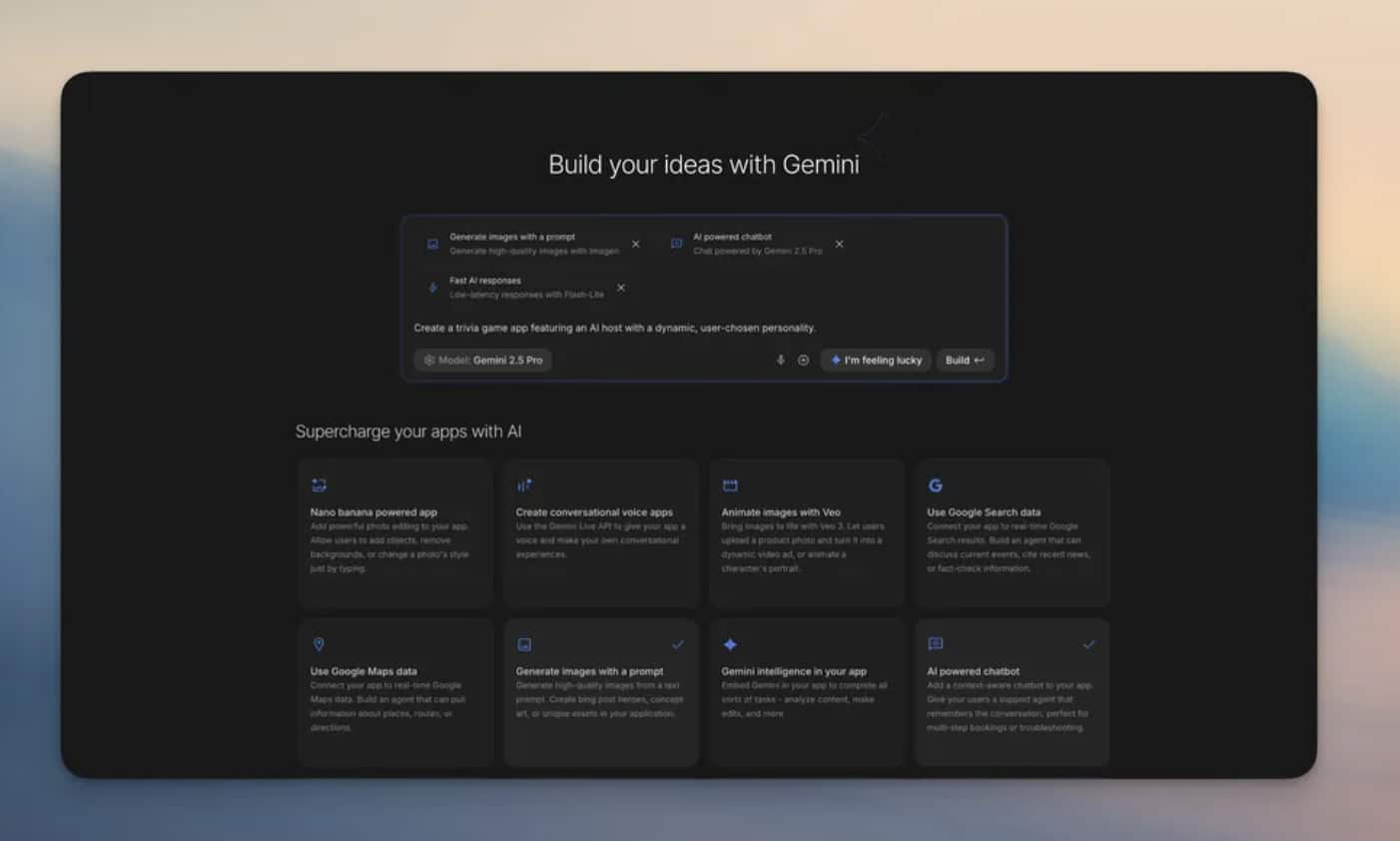
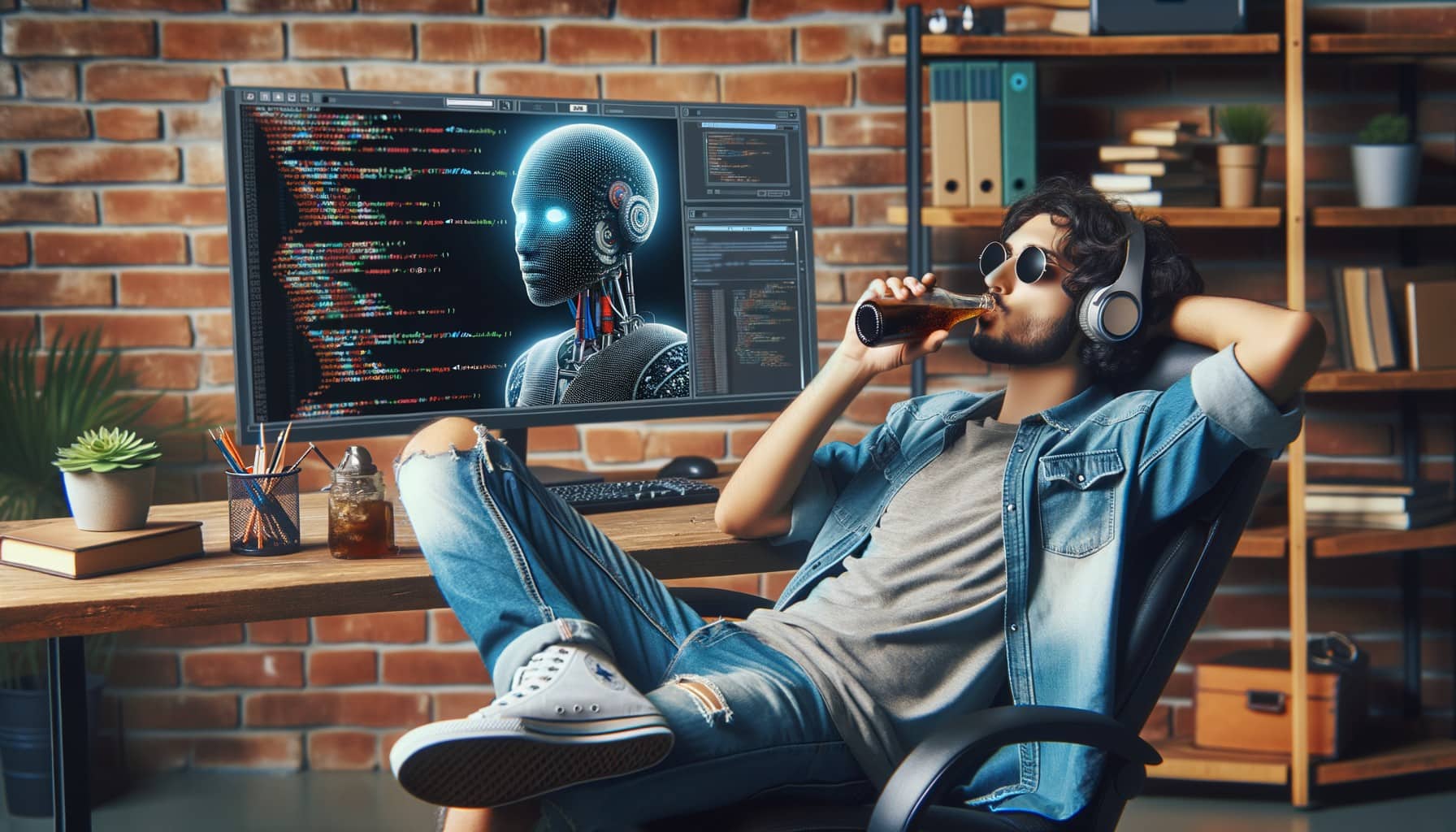
A new path for non-technical talentPichai explained that vibe coding makes building software accessible regardless of educational background. Users who have never written code can now create working tools by interacting with AI. He called the process more enjoyable and far less intimidating than conventional coding, especially for those without technical training. How non-tech workers are already using AI toolsAcross industries, HR teams, finance professionals and operations staff are using ChatGPT, Gemini, Claude and Replit to create applications that previously required engineering support. Instead of explaining ideas verbally, they can now produce prototypes that demonstrate workflow, logic and functionality. This shift is accelerating how quickly new ideas move from concept to execution. Inside Google, the change is visibleWithin Google itself, Pichai has seen a rise in employees submitting their first changelists. These are code modifications that contribute to features or bug fixes. Workers who were never involved in technical changes are now able to participate in software development through AI assistance. Pichai said he regularly experiments with Cursor and Replit, even building a personalised webpage to aggregate information sources he follows. Silicon Valley is adopting the same trendThe movement is not limited to Google. Product managers at Meta are already vibe coding prototypes for review by Mark Zuckerberg. Microsoft and Amazon teams have encouraged employees to use AI development tools. In several companies, effective use of AI tools is becoming a factor in performance evaluations because it directly impacts productivity and speed. Where vibe coding still falls shortPichai cautioned that vibe coding is not suitable for every environment. Large scale systems, security critical products and highly complex architectures still require expert human oversight. Precision, safety and long term maintainability remain areas where manually written code is essential. He stressed that developers must not fully rely on AI for mission critical systems. The long term direction remains positiveDespite the limitations, Pichai remains optimistic. He believes current capability is only the beginning and AI assisted coding will improve rapidly. He described today’s tools as the worst they will ever be, suggesting that future generations of AI will make coding even more intuitive. According to him, the next wave of innovation will come from people who previously had no access to software creation. Why vibe coding matters for the futureThe rise of vibe coding means software creation is no longer confined to engineers. Anyone with an idea can turn it into a working product. As tools evolve, non-technical professionals will contribute more to digital transformation and companies will adjust workflows to embrace this broader pool of creators.