Indian SARS-CoV-2 Consortium on Genomics (INSACOG) has detected 771 variants of concerns (VOCs) from a total of 10,787 COVID-19 positive samples shared by states and union territories (UTs).
Among these VOCs are 736 samples positive for the UK variant of the novel coronavirus lineage; 34 samples positive for the South African (B.1.351) virus lineage; and one sample positive for the Brazilian (P.1) virus lineage.
The cases are spread across 18 Indian states, as per a statement from the Union Ministry of Health and Family Welfare (MoH&FW).
Follow our LIVE Updates on the coronavirus pandemic here
What does the data show?- E484Q and L452R mutations>> Analysis of samples from Maharashtra showed an increase in the fraction of samples with the E484Q and L452R mutations compared to December 2020. These mutations “confer immune escape and increased infectivity” and were found in 15-20 percent samples, as per the statement.
>> Notably, these mutation samples do not match any previously catalogued VOCs and while these have been categorised as such, they require that states and UTs undertake epidemiological and public health response of “increased testing, comprehensive tracking of close contacts, prompt isolation of positive cases and contacts, and treatment, as per the National Treatment Protocol.”
- N440K mutations>> From Kerala, of the 2,032 samples sequenced from all 14 districts, the N440K variant (associated with immune escape) has been found in 123 samples from 11 districts.
>> The N440K variant was earlier found in 33 percent samples from Andhra Pradesh, and in 53 of 104 samples from Telangana; and has also been reported from 16 other countries including Australia, Denmark, Japan, Singapore, and the United Kingdom.
>> As of now these can be at best said to be variant under investigation.
Check here for the latest updates on all COVID-19 vaccines
- New double mutant variant found in India>> The Health Ministry said that though VOCs and a new double mutant variant have been found in India, these have not been detected in numbers sufficient to either establish or direct relationship or explain the rapid increase in cases in some states.
>> Genomic sequencing and epidemiological studies are ongoing to analyse the situation.
What is INSACOG?It is a grouping of 10 National Laboratories established by MoH&FW on December 25, 2020, to carry out genomic sequencing and analysis of circulating COVID-19 viruses and correlating epidemiological trends with genomic variants.
So far, genome sequencing and analysis have been carried out on samples from arriving international travellers, contacts of those positive for VOC, and community samples from most states at INSACOG’s 10 partner laboratories.
Also Read | Over 5 crore COVID-19 vaccine doses administered in India so far
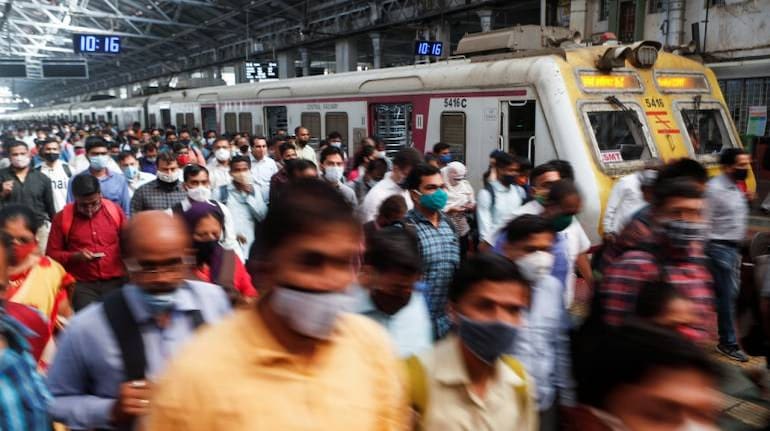
COVID-19 status in IndiaWednesday, 24 March marks a year of India's nationwide lockdown. The country went in for the strict Covid-19 lockdown when just around 525 positive infections were detected. A year on, since the country went into a lockdown, it is facing a second wave of the coronavirus pandemic. The last few days have particularly been troubling for reviving the concerns over possible restrictions and return of another national-level lockdown.
India recorded 47,262 fresh coronavirus cases in a day, the highest single-day rise so far this year, taking the nationwide COVID-19 tally to 1,17,34,058, the Union health ministry said on Wednesday. The active caseload registered an increase for the 14th day in a row and was recorded at 3,68,457, comprising 3.14 per cent of the total infections, while the recovery rate further dropped to 95.49 per cent, the ministry data updated at 8 am said.
The daily rise in infections was the highest recorded in 132 days, while the country's COVID-19 death toll increased to 1,60,441, with 275 new fatalities, the highest in around 83 days. As many as 47,905 new infections were recorded in a span of 24 hours on November 12 last year, it said. The number of people who have recuperated from the disease surged to 1,12,05,160, while the case fatality rate stands at 1.37 percent, the data stated.
Meanwhile, the number of COVID-19 vaccine doses administered in the country has crossed 5 crore, a significant milestone in the fight against the pandemic.
Discover the latest Business News, Sensex, and Nifty updates. Obtain Personal Finance insights, tax queries, and expert opinions on Moneycontrol or download the Moneycontrol App to stay updated!
Find the best of Al News in one place, specially curated for you every weekend.
Stay on top of the latest tech trends and biggest startup news.