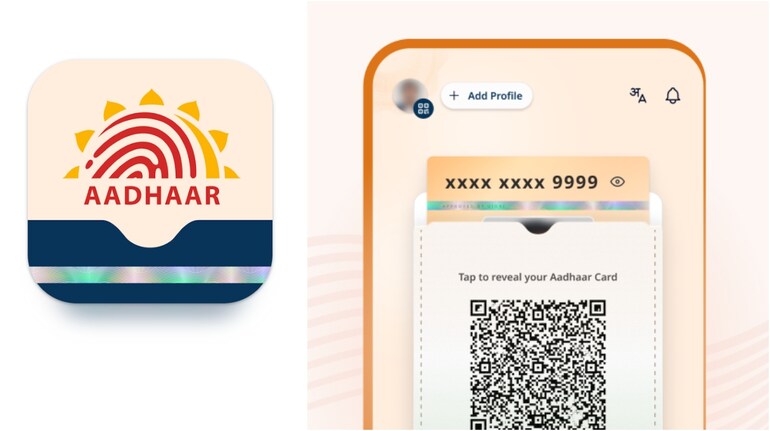

The Unique Identification Authority of India on January 28 formally launched a new Aadhaar mobile application aimed at enabling secure, consent-based identity verification while limiting the amount of personal data shared by users.
The app seeks to expand Aadhaar’s use for everyday services without compromising privacy.
The app allows Aadhaar holders to share only the specific credentials required for a transaction — such as age or name — instead of disclosing their full Aadhaar details.
The app also enables offline Aadhaar verification through a new category of entities known as Offline Verification Seeking Entities (OVSEs). These entities can generate a QR code that users scan through the Aadhaar app to share digitally signed credentials without connecting to UIDAI’s central database.
At the launch event, officials announced that almost 20 entities including Samsung, Google, Pine Labs, Pay Nearby and so on have been onboarded as OVSEs for specific functions.
This offline verification process is designed to support use cases such as age-gated access to apps and services, entry verification, and offline identity checks.
Speaking at the event where the app was launched, IT Secretary S Krishnan said the government and the Unique Identification Authority of India (UIDAI) were conscious of privacy concerns and had built the platform around the principle of data minimisation.
He said past reports of Aadhaar data leaks had largely stemmed from excessive data collection by third parties rather than breaches of the central Aadhaar database.
“It was not that the Aadhaar central database was breached. It was basically that someone had collected Aadhaar data and that was breached. That is what creates vulnerability — the collection of Aadhaar data. This is what we are trying to minimise,” Krishnan said.
According to Krishnan, giving users greater control over what they share will help build trust in Aadhaar-based verification.
“If you are able to give greater control to users on what to share, this will give greater comfort to users,” he said.
He also linked the app to requirements under the Digital Personal Data Protection (DPDP) Act, noting that age-gating has been a key policy challenge.
“A common question in the DPDP journey was how age gating would be done. With the Aadhaar app, we can do age gating of apps without sharing too much information,” Krishnan said.
The launch marks a key step in UIDAI’s plan to expand Aadhaar authentication into private-sector and offline use cases while keeping data sharing purpose-specific and consent-driven.
Discover the latest Business News, Sensex, and Nifty updates. Obtain Personal Finance insights, tax queries, and expert opinions on Moneycontrol or download the Moneycontrol App to stay updated!
Find the best of Al News in one place, specially curated for you every weekend.
Stay on top of the latest tech trends and biggest startup news.